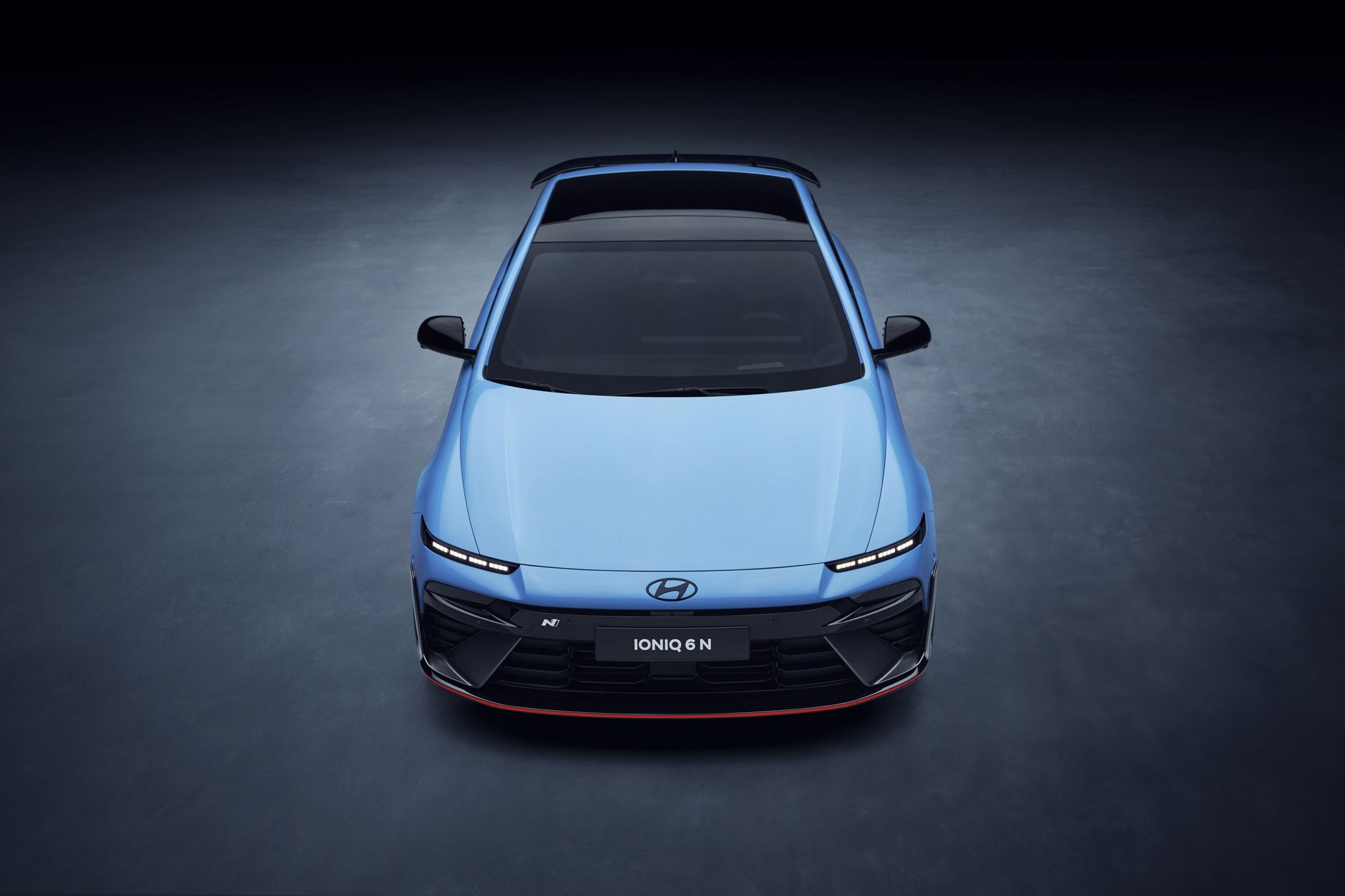

Volvo new models are making headlines as the company announces 13 upcoming electric vehicles by 2030. This strategic move aims to enhance their global presence in the EV market.
Overview of Volvo’s EV Strategy
Volvo is setting a bold course for the future with its ambitious strategy to introduce a range of new electric vehicle (EV) models by 2030. With the automotive industry rapidly shifting towards electrification, Volvo’s plan includes a total of 13 new models, signifying its commitment to sustainability and innovation.
The upcoming lineup will feature various models designed to cater to a diverse audience, ensuring that customers have access to efficient and eco-friendly options. Among these new models, the highly anticipated EX90 and ES90 are set to make their debut in India this October, generating significant excitement in the market.
Volvo aims to position itself as a leader in the EV segment by incorporating advanced technology and offering a seamless driving experience. The company’s strategy not only focuses on enhancing performance but also emphasizes safety and environmental responsibility. This approach is expected to resonate with consumers who are increasingly prioritizing sustainability in their purchasing decisions.
As part of its long-term vision, Volvo is committed to reducing its carbon footprint and achieving climate-neutral manufacturing by 2030. With these new models, Volvo is not just expanding its portfolio but is also reinforcing its commitment to a sustainable future in the automotive industry.
In summary, Volvo’s new models are a testament to the brand’s dedication to innovation, sustainability, and the evolving demands of modern drivers.
Details on the EX90 Launch
The launch of the Volvo EX90 marks a significant milestone in the company’s commitment to innovative electric vehicles. As part of Volvo’s broader strategy to introduce new models by 2030, the EX90 is designed to set new standards in safety, sustainability, and technology.
Scheduled for its debut in October, the EX90 is expected to appeal to a wide range of consumers, offering a blend of luxury and practicality. Here are some key features and details surrounding the launch:
- Advanced Safety Features: The EX90 is equipped with cutting-edge safety technologies, including an enhanced driver assistance system and improved crash protection mechanisms.
- Sustainable Materials: In line with Volvo’s sustainability goals, the EX90 incorporates eco-friendly materials in its construction and interior design, reducing its overall carbon footprint.
- Performance and Range: This new model promises impressive electric performance, with an extended range that aims to alleviate concerns about EV travel.
- Smart Technology: The EX90 features the latest in-car technology, including a state-of-the-art infotainment system and connectivity options that enhance the overall driving experience.
As the first model to launch under this ambitious plan, the EX90 sets the tone for future Volvo new models aiming to redefine the electric vehicle market.
What to Expect from the ES90
The upcoming ES90 is set to be one of Volvo’s most exciting new models, catering to the increasing demand for electric vehicles. As part of Volvo’s ambitious plan to roll out 13 new models by 2030, the ES90 promises to combine luxury with sustainability.
One of the most noteworthy features of the ES90 is its commitment to cutting-edge technology and safety. This model will be equipped with advanced driving assistance systems, ensuring a safe and comfortable driving experience. Additionally, the vehicle will incorporate a state-of-the-art infotainment system, making it easier for drivers to stay connected while on the road.
Volvo’s choice to focus on electric powertrains in the ES90 aligns with its overall strategy to become a fully electric car brand by 2030. With a longer range and faster charging capabilities, the ES90 aims to alleviate range anxiety, a common concern among potential EV buyers.
Moreover, the ES90 is expected to feature a spacious interior, emphasizing passenger comfort without compromising on cargo space. This model is not just about getting from point A to point B; it embodies a lifestyle choice that reflects the growing trend towards electric mobility.
As consumers look towards the future, the ES90 is poised to be a standout option in Volvo’s lineup of new models.
Market Impact of New Volvo Models
The introduction of new Volvo models is set to significantly impact the automotive market, particularly in the electric vehicle (EV) segment. With a commitment to launching 13 new models by 2030, Volvo is positioning itself as a leader in sustainable transportation.
Volvo’s new models will not only expand their product line but also enhance their competitive edge against other major automakers. The focus on electric vehicles aligns with global trends towards sustainability and reducing carbon emissions. Analysts predict that the shift to EVs will attract environmentally conscious consumers, thereby increasing market share for Volvo.
Additionally, Volvo’s emphasis on innovative features, such as advanced safety systems and cutting-edge technology, will likely resonate well with tech-savvy buyers. As consumers increasingly prioritize both sustainability and technology, new Volvo models are expected to meet these dual demands effectively.
Furthermore, the anticipated launch of the EX90 and ES90 in India in October 2023 demonstrates Volvo’s commitment to expanding its presence in emerging markets. This strategic move may open doors for increased sales in regions where EV adoption is on the rise.
In conclusion, the market impact of new Volvo models appears promising, as the company aims to redefine its brand identity in the global automotive landscape and solidify its position as a trusted name in electric mobility.
Timeline for Global Releases
Volvo has laid out an ambitious timeline for the release of its new models, with a focus on electric vehicles (EVs) that will reshape the market by 2030. The company is set to introduce a total of 13 new models, reflecting its commitment to sustainability and innovative design.
The key milestones in this timeline include:
- EX90 Launch: Scheduled for global release in late 2023, this flagship SUV showcases advanced safety features and an eco-friendly powertrain.
- ES90 Debut: Set for launch in India in October 2023, the ES90 will be a critical addition to Volvo’s lineup, aimed at enhancing its presence in the growing EV market.
- Mid-2025 Expansion: Volvo plans to roll out several new models, including compact SUVs and sedans, designed to appeal to a broader audience.
- 2028 Transition: By the end of this period, Volvo aims to have transitioned entirely to electric vehicles, phasing out traditional combustion engines.
These timelines highlight Volvo’s strategic approach to meeting global demand for sustainable transportation while introducing new models that emphasize performance, safety, and environmentally-friendly technology.
Consumer Reactions to Upcoming Models
As Volvo prepares to unveil its new models, consumer reactions have been overwhelmingly positive. Many enthusiasts are eager to see how these vehicles will shape the future of electric mobility. The anticipation surrounding the launch of the EX90 and ES90 has sparked discussions among potential buyers and automotive critics alike.
According to recent surveys, a significant number of consumers are excited about the advancements in technology and sustainability that these new models promise. The integration of cutting-edge features, such as enhanced safety systems and improved battery performance, has caught the attention of many eco-conscious drivers.
Key points of interest among consumers include:
- Performance: Many potential buyers are curious about how the new models will perform on the road, especially regarding acceleration and range.
- Design: The modern aesthetics of the upcoming Volvo models have resonated with those looking for a blend of sophistication and functionality.
- Environmental Impact: There is a strong interest in how Volvo’s new models will contribute to reducing carbon footprints, aligning with the growing demand for sustainable options.
Overall, the buzz surrounding Volvo’s new models highlights a shift in consumer preferences towards electric vehicles, indicating a promising future for the brand as it approaches its 2030 goals.
As we look towards the future, Volvo new models are set to lead the charge in the electric vehicle market. With a focus on sustainability and innovation, these Volvo new models promise to deliver exceptional performance and efficiency.
via Wikimedia Commons