
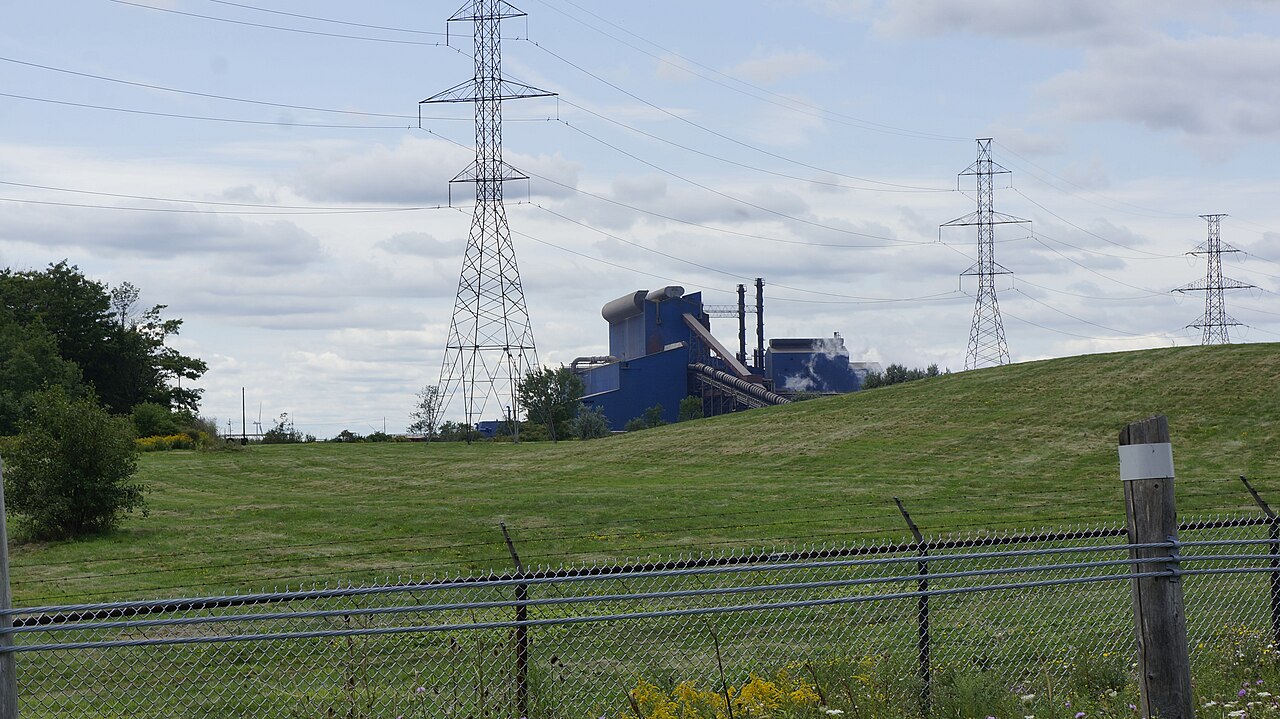
The five-point steel plan unveiled by Poilievre focuses on revitalizing the steel industry. This comprehensive strategy is designed to address key challenges and support local workers effectively.
Overview of the Five-Point Steel Plan
The recent unveiling of the five-point steel plan by political leader Pierre Poilievre has sparked considerable interest in the Canadian steel industry. This comprehensive strategy aims to address the challenges currently faced by steel manufacturers while promoting sustainable growth.
At the core of the five-point steel plan are several key initiatives designed to enhance production efficiency and competitiveness. These initiatives include:
- Investment in Technology: Encouraging the adoption of advanced technologies to improve manufacturing processes.
- Trade Policy Reforms: Advocating for fair trade practices to protect domestic steel producers from unfair competition.
- Regulatory Streamlining: Simplifying regulatory requirements to facilitate easier compliance for steel companies.
- Environmental Sustainability: Promoting eco-friendly practices within the industry to reduce carbon emissions.
- Workforce Development: Investing in training programs to equip workers with the skills needed in a rapidly evolving market.
As the steel industry grapples with various pressures, the implementation of the five-point steel plan could play a pivotal role in ensuring its future viability and success.
Impact on Canadian Steel Industry
The introduction of the five-point steel plan has sparked significant discussions regarding its potential impact on the Canadian steel industry. Advocates argue that this strategy could rejuvenate a sector facing various challenges, including competition from foreign markets and fluctuating demand.
Key elements of the plan include:
- Investment in innovation: Encouraging research and development to improve production efficiency and environmental sustainability.
- Support for skilled labor: Enhancing training programs to ensure a workforce that is well-equipped to meet the evolving needs of the industry.
- Trade advocacy: Promoting fair trade practices to protect Canadian steel manufacturers from unfair competition.
- Infrastructure improvements: Investing in transportation and logistics to streamline the supply chain.
- Environmental initiatives: Implementing practices that reduce the carbon footprint of steel production.
By addressing these critical areas, the five-point steel plan aims to position Canada as a leader in the global steel market, fostering growth and ensuring long-term sustainability for the industry.
Government Response to Poilievre’s Proposal
The government has responded to Poilievre’s proposal for a five-point steel plan, emphasizing the importance of collaboration between public and private sectors to ensure the steel industry’s growth and sustainability. Officials acknowledge the challenges facing the sector but remain cautious about the suggested legal actions against Stelco’s U.S. owner.
In a recent statement, a government spokesperson highlighted that while the five-point steel plan presents significant ideas for development, the administration is committed to working with industry leaders to address these challenges through dialogue rather than litigation. The spokesperson said, “Our focus is on building partnerships that foster innovation and competitiveness in the Canadian steel industry.”
Critics of the proposal argue that taking legal action could create further instability within the market. They suggest that the government should prioritize investment in technology and workforce development as part of a broader strategy to strengthen Canada’s steel sector.
As the discussion continues, industry stakeholders await further clarity on the government’s official stance and any potential initiatives that may emerge from this ongoing dialogue.
Challenges Facing Stelco’s U.S. Owner
The steel industry is facing significant challenges, particularly for Stelco’s U.S. owner, which has raised concerns among stakeholders and industry experts. As the Five-Point Steel Plan gains traction, these challenges have come into sharper focus.
One major issue is the volatile market conditions that have led to fluctuating prices and unpredictable demand. This instability not only affects profitability but also complicates long-term planning for steel production.
Additionally, regulatory hurdles pose a challenge, as the industry must navigate complex environmental regulations that can delay projects and increase costs. With the Five-Point Steel Plan aiming to streamline processes, it remains to be seen how effectively these regulations can be addressed.
Moreover, labor shortages are impacting production capabilities. The industry is grappling with an aging workforce and the need for skilled labor, making recruitment and training crucial for sustaining operations.
Lastly, there is growing international competition that threatens the market share of U.S. steel manufacturers. As the Five-Point Steel Plan unfolds, addressing these challenges will be vital for Stelco’s U.S. owner to remain competitive.
Support for Local Workers
The implementation of the five-point steel plan has generated significant support for local workers, emphasizing the importance of job security and skill development within the steel industry. This plan addresses the needs of the workforce while aiming to revitalize the sector and create sustainable employment opportunities.
Key components of the strategy include:
- Job Training Programs: Initiatives designed to upskill workers, ensuring they are equipped to handle advanced manufacturing technologies.
- Local Hiring Incentives: Encouraging companies to prioritize local talent, which helps strengthen community ties and bolster the local economy.
- Safety Regulations: Enhanced safety protocols that protect workers and promote a healthy workplace environment.
- Partnerships with Educational Institutions: Collaborations aimed at aligning curriculum with industry needs, fostering a skilled workforce ready to meet future challenges.
- Support for Union Efforts: Commitment to working with labor unions to advocate for fair wages and benefits for steelworkers.
By focusing on these areas, the five-point steel plan aims to ensure that local workers are not only supported but empowered in their roles within the industry.
Economic Implications of the Plan
The economic implications of the Five-Point Steel Plan are significant, as it aims to revitalize the Canadian steel industry while addressing ongoing challenges. By implementing this strategy, stakeholders anticipate a variety of positive outcomes that could benefit both the industry and the broader economy.
Key economic benefits include:
- Job Creation: The plan is expected to generate thousands of new jobs, particularly in steel manufacturing and related sectors.
- Increased Production: Enhanced operational efficiencies will likely lead to higher production rates, meeting both domestic and international demand.
- Investment Opportunities: As confidence in the steel sector grows, increased investments from both public and private entities are anticipated.
- Export Growth: With a stronger steel industry, Canada could see an uptick in exports, contributing positively to the national trade balance.
- Economic Resilience: A robust steel industry will help bolster the economy against global market fluctuations.
Overall, the Five-Point Steel Plan represents a proactive approach to ensuring the future stability and growth of Canada’s steel sector, with far-reaching economic implications.
Future of Steel Manufacturing in Canada
The future of steel manufacturing in Canada appears to be on a transformative path, influenced by the recently unveiled five-point steel plan. This strategic initiative aims to bolster the industry, ensuring its resilience amid global competition and fluctuating market demands.
One of the key elements of this plan is the emphasis on sustainable practices. As environmental concerns grow, Canadian steel manufacturers are increasingly adopting greener technologies to reduce carbon emissions. This shift not only aligns with global goals for sustainability but also positions Canada as a leader in eco-friendly steel production.
Moreover, the five-point steel plan advocates for enhanced collaboration between government and industry stakeholders. Such partnerships are essential to drive innovation and investment in advanced manufacturing processes. By securing funding and resources, Canadian steel companies can develop new products that meet evolving consumer needs.
Lastly, the plan highlights the importance of protecting local jobs. Ensuring that the workforce is equipped with the necessary skills will be crucial to the industry’s long-term success. Overall, the future of steel manufacturing in Canada looks promising, provided that the five-point steel plan is effectively implemented.
via Wikimedia Commons