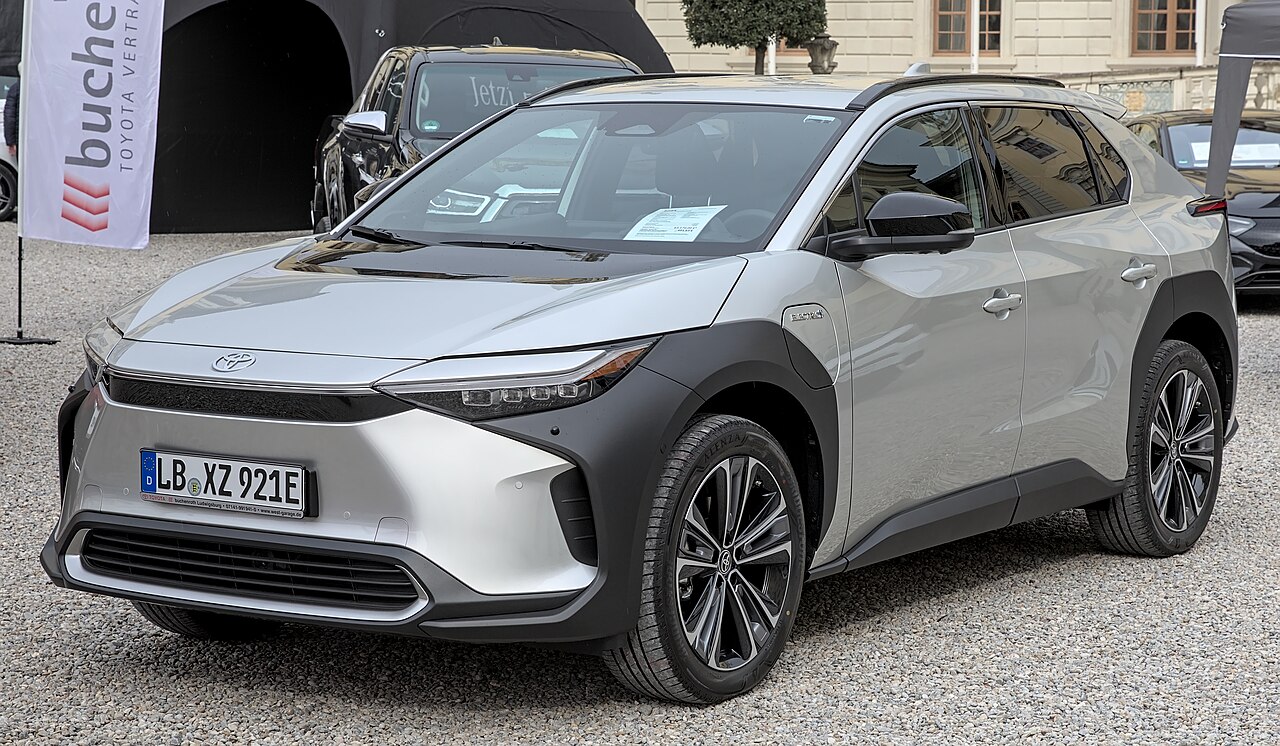
The autonomous bZ4X launch marks a significant milestone for Toyota and Waymo in Japan’s automotive landscape. This collaboration aims to enhance mobility through cutting-edge technology.
Overview of the Autonomous bZ4X
Toyota, in collaboration with Waymo, is set to launch the autonomous bZ4X in Japan, marking a significant step forward in their shared vision of advancing mobility technologies. This innovative vehicle is designed to enhance the driving experience through its advanced autonomous features, making it a noteworthy addition to the growing market of self-driving cars.
The autonomous bZ4X incorporates cutting-edge technology that allows it to navigate complex urban environments with ease. Key features include:
- Advanced Sensor Suite: The vehicle is equipped with a comprehensive array of sensors, including LIDAR and cameras, enabling it to perceive its surroundings accurately.
- AI-Driven Navigation: Utilizing powerful algorithms, the bZ4X can optimize routes and respond to real-time traffic conditions.
- Safety Protocols: Stringent safety measures ensure that the vehicle operates securely, prioritizing passenger and pedestrian safety.
As the autonomous bZ4X prepares for its debut, both Toyota and Waymo are optimistic about the future of autonomous transportation. This launch not only showcases their commitment to innovation but also aims to transform how people think about mobility. The collaboration sets a precedent for future developments in the autonomous vehicle sector, with the bZ4X serving as a flagship model for what is to come.
Toyota and Waymo Partnership Details
Toyota and Waymo have announced a landmark partnership aimed at revolutionizing the automotive industry with the launch of the autonomous bZ4X. This collaboration signifies a major step forward in the deployment of self-driving technology, particularly in urban areas. Both companies are committed to combining their expertise to enhance the safety and efficiency of transportation.
The autonomous bZ4X will leverage Waymo’s cutting-edge technology and Toyota’s extensive manufacturing capabilities. This partnership is designed to focus on:
- Safety: Ensuring that the autonomous bZ4X meets the highest safety standards through rigorous testing and validation.
- Scalability: Developing a platform that can be easily scaled for various markets and applications.
- Innovation: Continuously improving the technology to enhance user experience and operational efficiency.
As part of this initiative, the autonomous bZ4X will initially be deployed in select urban environments in Japan, allowing for real-world testing and feedback. Both Toyota and Waymo aim to work closely with local authorities to navigate regulatory challenges and ensure public acceptance of the technology.
With this strategic partnership, Toyota and Waymo are not only setting the stage for the autonomous bZ4X launch but also positioning themselves as leaders in the rapidly evolving world of autonomous vehicles.
Impact on Japan’s Automotive Industry
The launch of the autonomous bZ4X is poised to have a significant impact on Japan’s automotive industry. As one of the first fully autonomous vehicles introduced in the market, the bZ4X represents a shift towards advanced mobility solutions that could redefine transportation norms in the country.
With a strong focus on innovation, Toyota aims to lead the charge in the autonomous vehicle space. This launch is not just about introducing a new model; it signifies a broader commitment to sustainable and smart transportation. The collaboration with Waymo enhances the technological backbone of the bZ4X, ensuring it is equipped with cutting-edge self-driving capabilities that meet global standards.
The implications of the autonomous bZ4X launch extend beyond just Toyota and Waymo. Industry experts believe this move will:
- Encourage competition: Other manufacturers may feel pressure to accelerate their own autonomous projects.
- Boost investment: Increased interest in autonomous technology could lead to more funding for research and development.
- Impact regulations: The introduction of such technology will likely prompt regulatory bodies to establish new guidelines for autonomous vehicles.
Overall, the autonomous bZ4X launch marks a pivotal moment for Japan’s automotive sector, aligning with global trends toward electrification and automation.
Technology Behind the bZ4X
The technology behind the autonomous bZ4X is a culmination of advanced engineering and cutting-edge software, designed to revolutionize the way people experience mobility. This innovative vehicle integrates a range of sensors, including LiDAR, radar, and cameras, which collectively provide a comprehensive view of the vehicle’s surroundings.
One of the standout features of the bZ4X is its sophisticated AI-driven software, which enables real-time decision-making capabilities. This software is capable of processing vast amounts of data to navigate complex urban environments safely and efficiently. Key elements of the technology include:
- Sensor Fusion: The ability to combine data from various sensors to create a detailed, 360-degree understanding of the environment.
- Machine Learning: Continuous improvement of the vehicle’s algorithms based on driving experiences, enhancing safety and performance over time.
- V2X Communication: Integration with vehicle-to-everything technology, allowing the bZ4X to communicate with traffic signals, other vehicles, and infrastructure.
Furthermore, the autonomous bZ4X launch represents a significant step toward a future where autonomous vehicles are an integral part of everyday transportation. By leveraging the strengths of both Toyota and Waymo, this initiative not only aims to improve mobility but also addresses challenges such as congestion and emissions in urban areas.
Consumer Reactions to the Launch
The recent launch of the autonomous bZ4X has generated a range of reactions from consumers, highlighting both excitement and skepticism surrounding this innovative vehicle. Many potential buyers are eager to embrace the future of transportation, viewing the bZ4X as a significant leap forward in automotive technology.
- Enthusiasm for Innovation: Numerous consumers have expressed enthusiasm about the autonomous features of the bZ4X. They appreciate the potential for improved safety and convenience, with many stating that they look forward to the day when self-driving vehicles become the norm.
- Skepticism About Safety: Conversely, some consumers have voiced concerns regarding the safety of autonomous vehicles. They worry about the reliability of the technology and the implications of trusting a machine to navigate complex driving situations.
- Interest in Cost Efficiency: The autonomous bZ4X is also seen as a potential cost-saving option for commuters. Some consumers believe that it may reduce the overall cost of owning a vehicle, especially with ride-sharing possibilities in urban areas.
- Curiosity About the Future: Many are curious about how the launch of the autonomous bZ4X will influence the broader automotive landscape. They are keen to see how Toyota and Waymo’s collaboration will evolve and impact consumer choices.
Overall, the autonomous bZ4X launch has sparked a dynamic conversation among consumers, reflecting a mix of optimism and caution as they adapt to the changing face of mobility.
Future of Autonomous Vehicles
The future of autonomous vehicles is being redefined with the launch of the autonomous bZ4X, a collaborative effort between Toyota and Waymo. This groundbreaking vehicle not only signifies a leap forward in technology but also represents a significant shift in how consumers perceive mobility.
As cities evolve and urbanization continues to increase, the demand for efficient and safe transportation solutions is paramount. The autonomous bZ4X is designed to address these needs through advanced AI and machine learning capabilities. These technologies allow the vehicle to navigate complex environments, making real-time decisions that enhance safety and convenience for passengers.
Moreover, the integration of autonomous vehicles into public transportation systems could lead to a reduction in traffic congestion and lower emissions, contributing to a more sustainable future. Key aspects that will drive this transformation include:
- Safety: With robust safety features and continuous learning algorithms, the bZ4X aims to minimize accidents.
- Accessibility: Autonomous vehicles can provide greater mobility options for individuals with disabilities or those unable to drive.
- Efficiency: Optimized routes and reduced waiting times can lead to improved overall transportation efficiency.
As the industry continues to evolve, the autonomous bZ4X launch marks a pivotal moment that could redefine transportation paradigms for years to come.
Comparing bZ4X with Other EVs
The launch of the autonomous bZ4X marks a significant evolution in the electric vehicle (EV) market, prompting comparisons with other leading models in the sector. While many manufacturers are racing to develop autonomous technology, the bZ4X sets itself apart through its unique blend of performance, safety, and sustainability.
When juxtaposed with competitors such as the Tesla Model Y and the Ford Mustang Mach-E, the bZ4X offers a distinct advantage in its partnership with Waymo. This collaboration enhances its autonomous capabilities, providing a robust framework for self-driving technology that is tested and refined in real-world scenarios.
Key features of the bZ4X include:
- Advanced Safety Systems: The integration of Waymo’s cutting-edge technology ensures a higher level of safety during autonomous operations.
- Sustainability: Built on Toyota’s commitment to eco-friendliness, the bZ4X utilizes sustainable materials and energy-efficient production methods.
- Comfort and Design: The bZ4X boasts a spacious interior and modern design, appealing to consumers seeking style alongside functionality.
While rivals like Tesla push the boundaries of performance, the autonomous bZ4X aims to redefine reliability and user experience, making it a competitive player in the rapidly evolving EV landscape.
Regulatory Challenges in Japan
The launch of the autonomous bZ4X marks a significant advancement in the collaboration between Toyota and Waymo, yet the regulatory landscape in Japan poses several challenges that must be navigated carefully.
Japanese authorities are known for their rigorous safety standards and extensive testing requirements for autonomous vehicles. As the autonomous bZ4X prepares for its debut, the following regulatory challenges are anticipated:
- Safety Regulations: Ensuring compliance with Japan’s stringent safety regulations will be a top priority. This includes thorough testing in various driving conditions to meet governmental standards.
- Data Privacy: The collection and management of data from autonomous vehicles raise concerns over privacy. Regulations regarding data usage and storage must be adhered to, particularly in densely populated urban areas.
- Public Acceptance: Gaining public trust is essential. Regulatory bodies will likely conduct public consultations to address concerns regarding safety and reliability, which may affect the timeline for the autonomous bZ4X’s rollout.
- Infrastructure Adaptation: Japan’s existing infrastructure may require modifications to accommodate autonomous vehicles. Regulations around road signage and traffic management systems could pose additional hurdles.
As Toyota and Waymo work together to address these hurdles, the successful launch of the autonomous bZ4X will hinge on their ability to navigate the complex regulatory environment in Japan.
The autonomous bZ4X launch marks a significant step forward in the partnership between Toyota and Waymo. With advanced technology integrated into the vehicle, the autonomous bZ4X launch is set to redefine urban mobility.
via Wikimedia Commons