
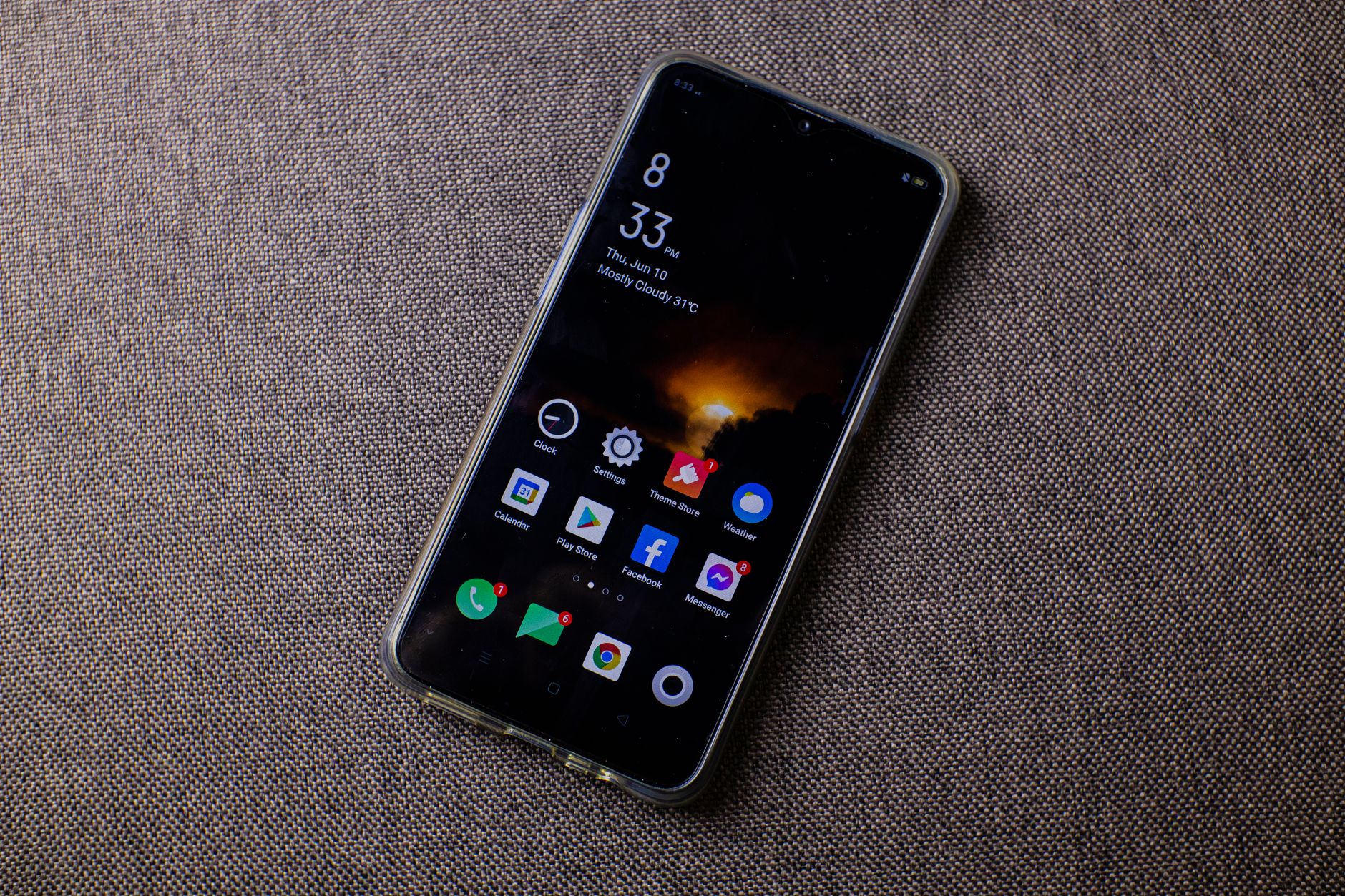
The Oppo A7 Ultra battery has a striking 12,000mAh capacity, but is it really 11,640mAh? This article dives into the details.
What Makes the Oppo A7 Ultra Stand Out?
The Oppo A7 Ultra has captured attention in the smartphone market, primarily due to its impressive battery specifications. With a remarkable 12,000mAh battery, the device promises extended usage time, making it a potential game-changer for heavy users.
What truly sets the Oppo A7 Ultra apart from its competitors is not just the sheer size of its battery, but the technology behind it. This smartphone utilizes advanced battery management systems that optimize power consumption, ensuring that users can enjoy longer periods of usage without frequent recharging.
Some key features that contribute to the phone’s standout status include:
- Fast Charging Capabilities: Despite its massive battery, the Oppo A7 Ultra supports rapid charging, allowing users to recharge quickly.
- Power Saving Modes: The device offers various power-saving modes that help extend battery life even further when needed.
- Durable Design: Along with a powerful battery, the Oppo A7 Ultra boasts a robust design, enhancing its overall longevity.
In summary, the Oppo A7 Ultra battery’s impressive capacity and intelligent features make it a strong contender in the smartphone arena, appealing to users who prioritize battery life above all else.
Understanding Battery Ratings in Smartphones
When considering smartphones, battery ratings play a crucial role in determining performance and usability. The term mAh, or milliampere-hour, is commonly used to quantify battery capacity, indicating how much energy a battery can store. A higher mAh rating typically suggests longer usage times between charges, which is especially important for users who rely on their devices for extended periods.
The Oppo A7 Ultra battery boasts an impressive 12,000mAh capacity, positioning it among the highest-rated batteries available in smartphones today. However, it’s essential to recognize that a larger battery does not always equate to a proportional increase in efficiency. Factors such as screen size, software optimization, and processor efficiency can significantly affect overall battery performance.
For instance, while the Oppo A7 Ultra’s battery capacity may suggest extended usage, real-world performance can vary. Users might experience differing battery life based on how often they use high-drain applications, screen brightness, and background processes. Thus, understanding these nuances is vital for evaluating whether a high mAh rating truly meets individual needs.
Ultimately, it is essential to balance battery capacity with other features to determine the best smartphone for your lifestyle.
Is 12,000mAh a Game Changer?
The Oppo A7 Ultra battery, boasting an impressive 12,000mAh capacity, certainly raises the question: is this quantity a game changer in the smartphone market? While most flagship devices offer batteries ranging between 3,000mAh to 5,000mAh, the Oppo A7 Ultra’s offering stands out significantly.
One of the primary advantages of such a high-capacity battery is the extended usage time. Users can expect:
- Extended Screen Time: With a 12,000mAh battery, users can enjoy longer hours of video playback or gaming without the constant worry of recharging.
- Less Frequent Charging: The need to recharge daily becomes a distant concern, as this massive battery can easily last multiple days on a single charge.
- Enhanced Performance: A larger battery can also support power-hungry applications and multitasking without significant performance drops.
However, there are considerations to keep in mind. The bulkiness of the device might increase due to the battery size, and quick charging capabilities may vary. In conclusion, while the Oppo A7 Ultra battery is a significant advancement, its practicality will depend on individual user needs and preferences.
Comparing Oppo A7 Ultra with Competitors
When considering the Oppo A7 Ultra battery, it’s essential to evaluate how it stacks up against its competitors in the market. The impressive 12,000mAh capacity of the A7 Ultra is not just a number; it positions the device uniquely among its peers. Here’s how it compares:
- Samsung Galaxy M51: This smartphone features a 7,000mAh battery, which is significantly less than the Oppo A7 Ultra. While it offers decent battery life, the A7 Ultra’s capacity provides an edge for heavy users.
- Xiaomi Redmi Note 10: With a 5,000mAh battery, the Redmi Note 10 is a popular choice but pales in comparison to the A7 Ultra’s capabilities. Users may find themselves recharging more frequently.
- Asus ROG Phone 5: Known for its gaming prowess, this device carries a 6,000mAh battery. Although it performs well during intense gaming sessions, the Oppo A7 Ultra battery ensures longer use between charges.
Ultimately, the Oppo A7 Ultra’s substantial battery capacity could mean fewer interruptions for users, making it a compelling choice for those seeking longevity in their smartphone usage.
User Experiences with the Oppo A7 Ultra
Users have shared a variety of experiences with the Oppo A7 Ultra, particularly regarding its impressive 12,000mAh battery. Many have praised the longevity it offers, often stating that they can go several days without needing to recharge. This extended battery life has been a significant selling point for those who rely heavily on their devices for work and entertainment.
However, some users have raised concerns about the actual performance compared to the advertised capacity. Reports indicate that while the battery is indeed large, the effective usage is closer to 11,640mAh, leading to mixed feelings about whether the Oppo A7 Ultra battery truly lives up to its hype. Despite this, most agree that it still outperforms many competitors in the market.
- “I love how I can watch videos and play games for hours without worrying about charging,” one user commented.
- “The battery life is great, but I expected a bit more from the overall capacity,” another noted.
Overall, user experiences suggest that while the advertised Oppo A7 Ultra battery capacity may not be entirely accurate, the performance is still impressive enough to satisfy most smartphone users.
The Science Behind Battery Capacity
The battery capacity of a smartphone plays a crucial role in determining its performance and usability, especially in a device like the Oppo A7 Ultra with its impressive 12,000mAh battery. But what does this figure really mean in practical terms?
Battery capacity, measured in milliampere-hours (mAh), indicates how much charge a battery can hold. A higher mAh rating typically suggests longer usage time between charges. However, it’s essential to also consider factors such as the device’s power efficiency and the software optimizations in place.
For the Oppo A7 Ultra, the 12,000mAh battery capacity translates to extended hours of usage and reduced frequency of charging. This is particularly beneficial for users who engage in resource-intensive activities such as gaming or streaming. However, it’s important to note that while the battery is rated at 12,000mAh, real-world performance can vary. The phone’s actual capacity may be closer to 11,640mAh due to manufacturing tolerances and battery management systems.
In essence, while the Oppo A7 Ultra battery offers impressive specifications, understanding the interplay between capacity, efficiency, and user habits is vital for determining its true worth in daily usage.
How to Maximize Your Smartphone Battery Life
Maximizing your smartphone battery life is essential, especially for users of the Oppo A7 Ultra with its impressive 12,000mAh battery. Here are some effective strategies to ensure your device lasts longer throughout the day:
- Adjust Screen Brightness: Lowering the screen brightness or enabling adaptive brightness can significantly reduce battery consumption.
- Limit Background Apps: Close apps running in the background that you are not actively using. This helps conserve power.
- Enable Battery Saver Mode: Using the battery saver mode can help extend the battery life by limiting certain functions and notifications.
- Turn Off Unused Features: Disable features like Bluetooth, GPS, and Wi-Fi when not in use to prevent unnecessary battery drain.
- Optimize App Settings: Some apps allow you to adjust their settings to consume less battery. Check each app individually.
- Keep Software Updated: Regular software updates can improve battery performance and efficiency, ensuring optimal use of the Oppo A7 Ultra battery.
By implementing these tips, users can maximize the potential of the Oppo A7 Ultra battery and enjoy longer usage between charges.
Final Thoughts on the Oppo A7 Ultra Battery
In conclusion, the Oppo A7 Ultra battery with its impressive 12,000mAh capacity certainly raises eyebrows and sparks discussions among tech enthusiasts and casual users alike. While the marketed figure is slightly adjusted to 11,640mAh, it remains significantly higher than most smartphones on the market today.
As we’ve explored, this massive battery capacity opens doors to extended usage without the constant worry of recharging. Users are likely to benefit from longer hours of streaming, gaming, and browsing, making it an attractive option for those with demanding smartphone habits. However, it’s essential to weigh the advantages against the potential drawbacks, such as increased weight and size of the device.
The comparison with competitors reveals that while others might offer similar features in terms of performance and camera quality, they often fall short in battery longevity. Ultimately, if the Oppo A7 Ultra manages to deliver on its promises of efficiency and durability, it could redefine users’ expectations of smartphone batteries.
In a rapidly evolving tech landscape, the focus on battery capacity highlights the growing demand for devices that cater to our on-the-go lifestyle. For many, the Oppo A7 Ultra battery may just be worth the investment.
The Oppo A7 Ultra battery boasts an impressive 12,000mAh capacity, making it one of the most powerful options on the market. Users often wonder if the Oppo A7 Ultra battery is truly worth the investment compared to other smartphones.
Photo by Nothing Ahead on Pexels