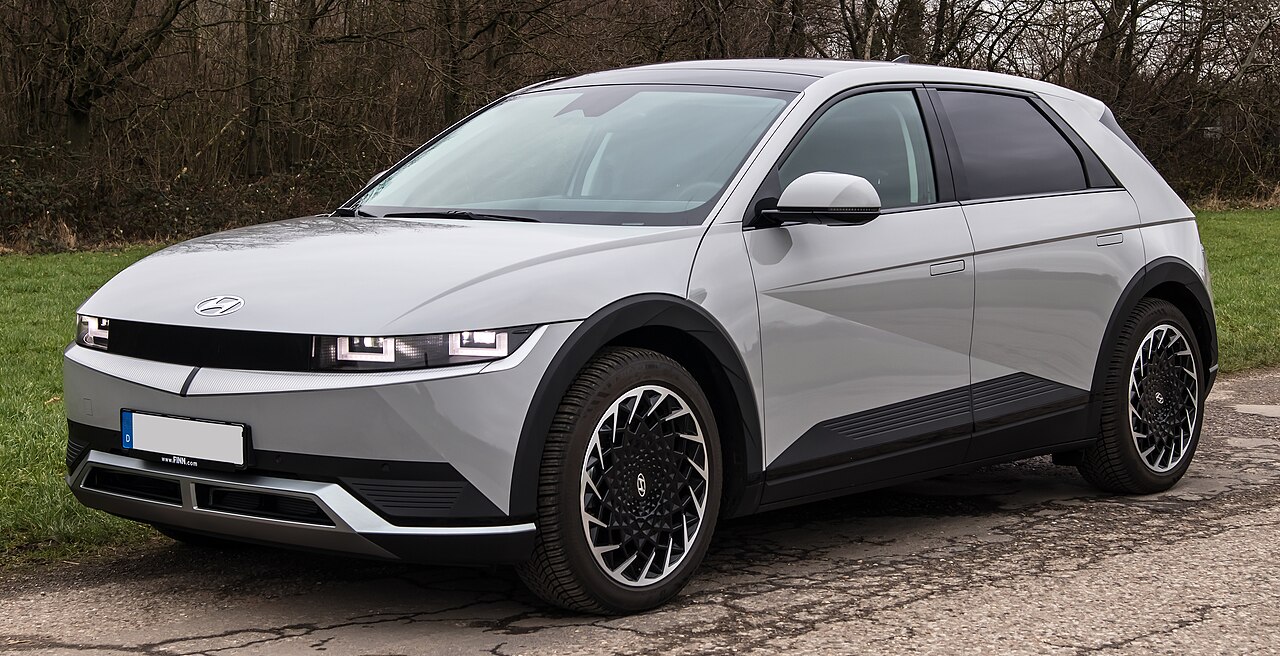
The real cost of driving an EV can be surprising, as revealed by a Hyundai IONIQ 5 owner after 39,000 miles of usage. This article explores the financial implications of owning an electric vehicle over two years.
Understanding EV Costs
As electric vehicles (EVs) gain popularity, understanding the true financial implications of owning one becomes essential. Many new EV owners, like those with the Hyundai IONIQ 5, often find themselves questioning the real cost of driving an EV.
Initially, the purchase price of an EV may seem higher than that of a traditional gasoline vehicle. However, several factors contribute to the overall cost of ownership:
- Fuel Savings: EVs generally have lower energy costs compared to gasoline. Owners can save significantly on fuel expenses, particularly with rising gas prices.
- Maintenance Costs: Electric vehicles typically require less maintenance due to fewer moving parts. This can lead to reduced service costs over time.
- Incentives: Many governments offer tax credits and rebates for EV purchases, which can lower the upfront cost.
- Depreciation: While EVs can depreciate quickly, they are becoming more stable in value as technology advances and demand increases.
By evaluating these factors, potential buyers can gain a clearer picture of the real cost of driving an EV, helping them make informed decisions about their automotive investments.
Hyundai IONIQ 5 Performance
The Hyundai IONIQ 5 has gained attention for its impressive performance and innovative features. As a proud owner, I can attest to its capabilities, especially after driving it for over 39,000 miles. The real cost of driving an EV, such as the IONIQ 5, extends beyond the initial purchase price and can be influenced by several key factors.
One of the standout features of the IONIQ 5 is its acceleration. The vehicle’s electric motor provides instant torque, allowing it to go from 0 to 60 mph in just over 5 seconds. This performance is not only thrilling but also practical for daily driving needs.
In addition to speed, the IONIQ 5 offers impressive range, often exceeding 300 miles on a single charge. This makes it a suitable choice for both city commutes and longer road trips without the constant worry of battery depletion.
Moreover, the regenerative braking system contributes to its efficiency, allowing drivers to recover energy while slowing down. Overall, the combination of performance, range, and efficiency plays a significant role in the real cost of driving an EV, making the Hyundai IONIQ 5 a competitive option in the electric vehicle market.
Maintenance Expenses Explained
Maintaining an electric vehicle (EV) like the Hyundai IONIQ 5 can significantly differ from traditional gasoline cars. One of the key aspects to consider when assessing the real cost of driving an EV is the maintenance expenses involved over time.
Generally, EVs require less frequent maintenance because they have fewer moving parts. For instance, there are no oil changes, fuel filters, spark plugs, or exhaust systems to worry about. However, some costs still arise that potential owners should be aware of:
- Tire Replacement: Due to the instant torque and heavier weight of EVs, tires may wear out faster than those on conventional vehicles.
- Brake Maintenance: While regenerative braking can extend the life of brake pads, they still need to be replaced eventually, contributing to maintenance costs.
- Battery Health Checks: Regular checks can ensure the battery remains in optimal condition, especially as it ages.
- Software Updates: Occasionally, there may be costs associated with updating the car’s software to enhance performance or address issues.
Overall, while the maintenance expenses for an EV like the Hyundai IONIQ 5 may be lower than traditional vehicles, they are still a crucial factor in understanding the true financial commitment of owning an electric car.
Charging Costs Breakdown
Charging an electric vehicle (EV) is often perceived as one of the most significant costs associated with ownership. However, the real cost of driving an EV can vary widely depending on several factors. For Hyundai IONIQ 5 owners, understanding the breakdown of charging costs is essential.
- Home Charging: Many EV owners prefer charging at home, which typically involves lower electricity rates during off-peak hours. On average, charging the IONIQ 5 at home costs about $0.10 to $0.15 per kWh.
- Public Charging: While convenient, public charging stations can vary in price. Fast chargers might charge around $0.20 to $0.40 per kWh, making trips away from home more expensive.
- Charging Frequency: The overall charging cost also depends on how often you charge. A driver covering approximately 39,000 miles over two years will experience different costs based on their driving habits and charging preferences.
- Incentives: Some local governments and utilities offer incentives for EV owners, which can further reduce charging costs.
Ultimately, while charging costs contribute to the real cost of driving an EV, they are generally lower than the expenses associated with gasoline vehicles.
Insurance Rates for EVs
When considering the real cost of driving an EV, it’s essential to factor in insurance rates, which can vary significantly compared to traditional vehicles. For many drivers, including Hyundai IONIQ 5 owners, insurance premiums are often higher due to the advanced technology and repair costs associated with electric vehicles.
According to recent data, the average insurance cost for an EV can be about 20% to 30% higher than that of comparable gasoline-powered cars. This is mainly due to:
- Replacement Parts: EVs often require specialized parts that can be more expensive to replace.
- Repair Costs: Repairing an electric vehicle can be more costly, as technicians need specialized training.
- Higher Vehicle Value: Many electric vehicles, including the Hyundai IONIQ 5, are marketed at a premium, leading to increased insurance costs.
However, some insurance companies offer discounts for EV owners, recognizing their lower risk profiles and eco-friendly benefits. It’s worth shopping around to find an insurer that offers competitive rates for electric vehicles. By doing this, drivers can better understand the overall financial impact and the real cost of driving an EV.
Real Owner Experiences
Many owners of the Hyundai IONIQ 5 have shared their experiences, shedding light on the real cost of driving an EV. After driving 39,000 miles, one owner detailed their journey, highlighting the unexpected aspects of EV ownership.
- Purchase Price: Initially, the owner was drawn to the IONIQ 5 due to its competitive pricing compared to other electric vehicles. However, they noted that incentives played a significant role in their decision.
- Fuel Savings: Transitioning from gasoline to electric has provided substantial savings at the pump. The owner estimated a reduction in fuel costs by over 50%, which contributed to the overall affordability of driving an EV.
- Depreciation: One surprising factor was the depreciation rate. Despite the popularity of the IONIQ 5, the owner found that the resale value was lower than expected, highlighting a potential area of concern for future buyers.
- Driving Experience: The owner praised the driving experience of the IONIQ 5, noting its smooth acceleration and advanced technology, which made the investment worthwhile.
Overall, while there are tangible savings, understanding the full picture of the real cost of driving an EV involves considering factors beyond just fuel expenses.
Future of Electric Vehicle Costs
As the electric vehicle market continues to evolve, understanding the real cost of driving an EV becomes increasingly important for potential buyers. The future of electric vehicle costs is influenced by several factors, including advancements in battery technology, government incentives, and the expansion of charging infrastructure.
One key aspect is the expected reduction in battery prices. As manufacturers innovate, the cost of producing batteries is projected to decrease significantly, potentially lowering the overall price of electric vehicles. This trend could make EVs more accessible to a broader audience.
In addition, as more automakers enter the electric vehicle space, competition will likely drive prices down further. Consumers may benefit from a wider selection of affordable models, making the transition to electric more appealing.
Moreover, government initiatives aimed at promoting electric vehicle adoption may also play a crucial role. Tax credits, rebates, and other incentives can help offset the initial purchase price, making EV ownership more feasible for many.
Ultimately, the future of electric vehicle costs appears promising, with the potential for significant savings for drivers. By staying informed about these developments, consumers can better understand the real cost of driving an EV and make more informed decisions.
via Wikimedia Commons