Aussie EV owners are frustrated by a new rule that prevents them from using their vehicles to reduce power bills. This regulation has sparked significant debate among electric vehicle enthusiasts and advocates.
Understanding the New Rule for EV Owners
A recent rule change is causing frustration among Aussie EV owners, who are now facing significant challenges in managing their power bills. This new regulation restricts the ability of electric vehicle owners to utilize their cars as a means of energy storage and management, a practice that was previously seen as a way to capitalize on renewable energy sources.
Under the new guidelines, several important aspects have been affected:
- Vehicle-to-Grid (V2G) Technology: The rule limits the adoption of V2G technology, which allows electric vehicles to send stored energy back to the grid during peak demand times.
- Financial Incentives: Many incentive programs that previously supported EV owners in using their vehicles for energy management have been curtailed or eliminated.
- Charging Flexibility: Restrictions on charging during off-peak hours can lead to higher energy costs for EV owners who rely on smart charging solutions.
This decision has raised concerns within the community, as Aussie EV owners were counting on these innovations to help reduce their overall energy expenses. With the growing popularity of electric vehicles, many are advocating for a reevaluation of this rule to better support sustainable practices and encourage the use of green technology.
Impact of Regulations on Electric Vehicle Use
The recent regulations affecting Aussie EV owners have sparked significant concern regarding their impact on both electric vehicle usage and household power bills. As energy costs continue to rise, many EV owners had hoped to leverage their vehicles to reduce expenses by utilizing vehicle-to-grid technology. This technology allows electric vehicles to discharge stored energy back into the grid, providing a potential source of income and contributing to grid stability.
However, the new regulations impose restrictions that hinder the ability of EV owners to capitalize on these benefits. The limitations prevent users from fully integrating their vehicles into energy trading systems, thereby restricting their capacity to offset rising electricity costs. This regulatory challenge has left many drivers feeling frustrated as they are unable to harness the full potential of their electric vehicles.
Some key points regarding the impact of these regulations include:
- Increased Costs: The inability to use EVs for energy trading may lead to higher power bills for owners.
- Underutilization of Technology: Innovative vehicle-to-grid systems remain untapped, depriving both consumers and the energy market of potential savings.
- Frustration Among Owners: Aussie EV owners feel that the regulations do not reflect the evolving energy landscape and the role of electric vehicles in it.
As discussions around these regulations continue, many are calling for a reconsideration to better support eco-friendly practices and financial relief for EV owners.
How Aussie EV Owners Can Save on Power Bills
Aussie EV owners looking to mitigate the financial impact of rising power bills can explore several strategies to save on their energy costs. With the recent regulations affecting electric vehicle use, it is essential for drivers to adapt and find ways to optimize their charging habits.
Here are some practical tips for Aussie EV owners:
- Time-of-use tariffs: Investigate your energy provider’s pricing plans. Many offer time-of-use tariffs that allow you to charge your EV during off-peak hours when electricity prices are lower.
- Home solar panels: Investing in solar panels can significantly reduce your reliance on grid power. By generating your own renewable energy, you can charge your EV during the day without incurring additional costs.
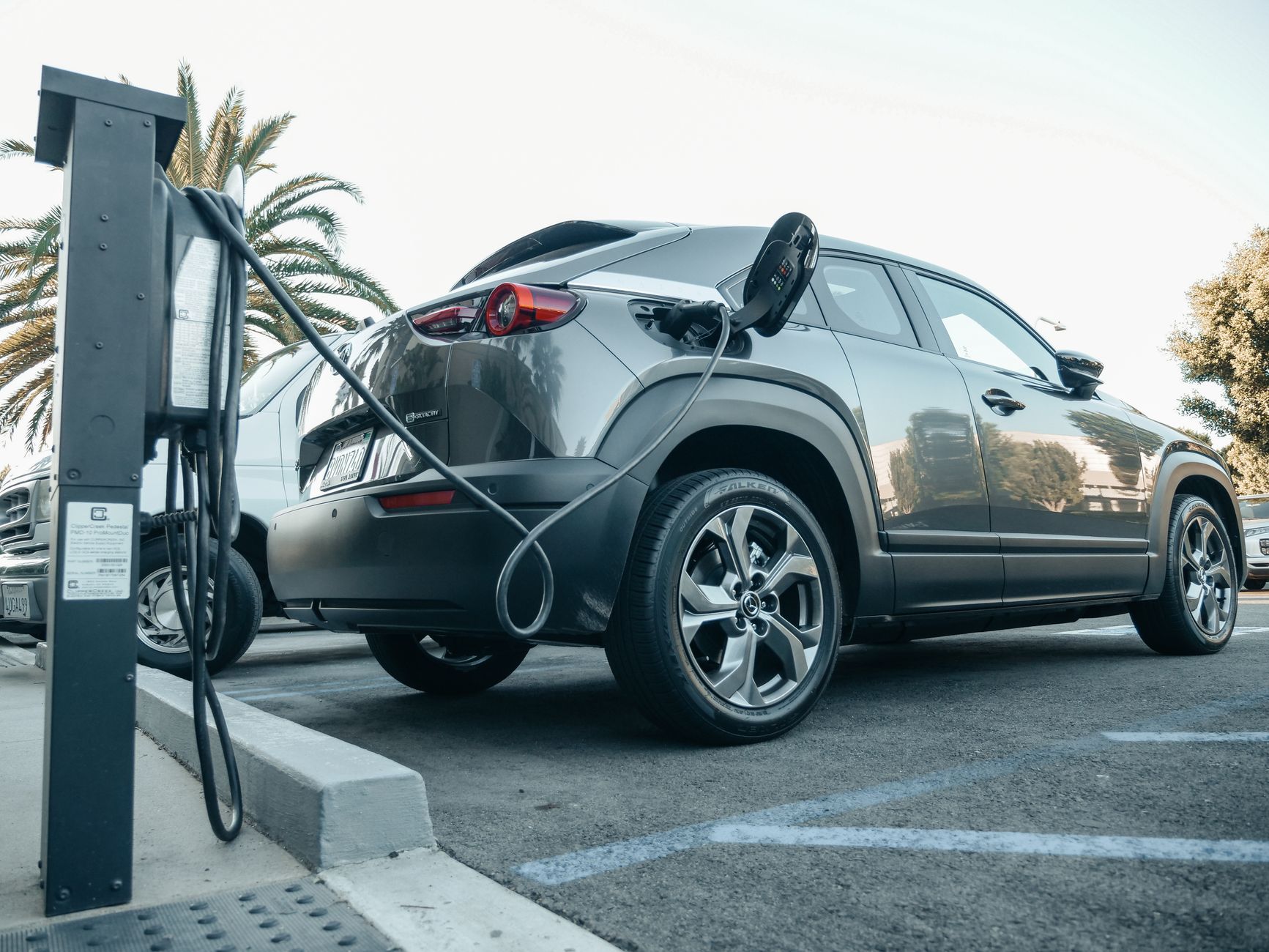
- Smart charging stations: Consider installing a smart EV charger that can schedule charging sessions based on electricity rates, ensuring you take advantage of the lowest prices.
- Participate in demand response programs: Some energy providers offer incentives for participating in demand response programs, where you allow the utility to control your charging during peak times in exchange for reduced rates.
By employing these strategies, Aussie EV owners can not only manage their power bills more effectively but also contribute to a more sustainable energy future.
The Future of Electric Vehicles in Australia
The landscape of electric vehicles (EVs) in Australia is undergoing significant changes, driven by both technological advancements and regulatory challenges. As more Australians transition to electric vehicles, the demand for sustainable energy solutions continues to rise, pushing the industry towards a greener future.
Aussie EV owners are keenly aware that the integration of electric vehicles into daily life hinges not only on the vehicles themselves but also on the infrastructure that supports them. With the push for renewable energy sources, many expect that solar power will play a pivotal role in enhancing the viability of EV ownership.
However, the recent regulations imposed by the government have raised concerns among Aussie EV owners. These rules can inadvertently limit the potential benefits of owning an electric vehicle, including reduced power bills. Despite these challenges, many enthusiasts remain optimistic about the future.
- Advancements in Battery Technology: Innovations are making EVs more efficient and affordable.
- Government Incentives: Potential subsidies may bolster the uptake of electric vehicles.
- Charging Infrastructure Expansion: Increased charging stations will enhance convenience for EV owners.
As these factors evolve, Aussie EV owners hope that future policies will better support their needs, ensuring that electric vehicles remain a practical choice for all Australians.
Public Response to EV Regulations
The recent regulations affecting Aussie EV owners have sparked significant public outcry, as many feel the rules are hindering their ability to benefit from electric vehicle usage. Numerous online forums and social media platforms have become hotspots for discussions, with users sharing their frustrations and experiences regarding the new regulations.
Many EV owners argue that the restrictions imposed on how they can utilize their vehicles for energy savings are not only counterproductive but also unfair. One concerned owner expressed, “I bought an electric vehicle to save on fuel and contribute to a greener planet. Now, it feels like the government is taking that away from me.” This sentiment is echoed by countless others who feel disillusioned with the very system meant to promote electric vehicle adoption.
In response to the regulations, various advocacy groups have begun to mobilize, urging policymakers to reconsider the impact of these rules on Aussie EV owners. They argue that fostering a supportive environment for electric vehicle use should be a priority, especially in light of the climate crisis.
Additionally, many have started petitions and organized rallies to raise awareness about the detrimental effects of the new regulations on power bills. The community is rallying around the idea that electric vehicles should empower their owners rather than restrict them.
Exploring Alternatives for EV Owners
As the new regulations take hold, Aussie EV owners are searching for alternatives to mitigate the impact on their power bills. With the rising costs associated with electricity and limited ability to use their vehicles in ways that could offset these expenses, many are turning to innovative solutions.
One option gaining traction is the use of solar power. By installing solar panels at home, EV owners can generate their own electricity, which not only reduces reliance on the grid but also lowers charging costs significantly. This renewable energy source can be utilized to charge vehicles during the day when the sun is shining, potentially allowing for a zero-cost charging solution.
Another alternative is participating in demand response programs. These initiatives allow EV owners to receive incentives for adjusting their charging times based on grid demand. By charging during off-peak hours, individuals can take advantage of lower electricity rates, directly countering the financial burden imposed by the new regulations.
Furthermore, community charging stations are emerging as a collaborative solution. By sharing resources, Aussie EV owners can access lower-cost charging options while fostering a sense of community amongst like-minded individuals. As more people adopt electric vehicles, these alternatives may become vital in navigating the challenges posed by recent rule changes.
Photo by Kindel Media on Pexels