
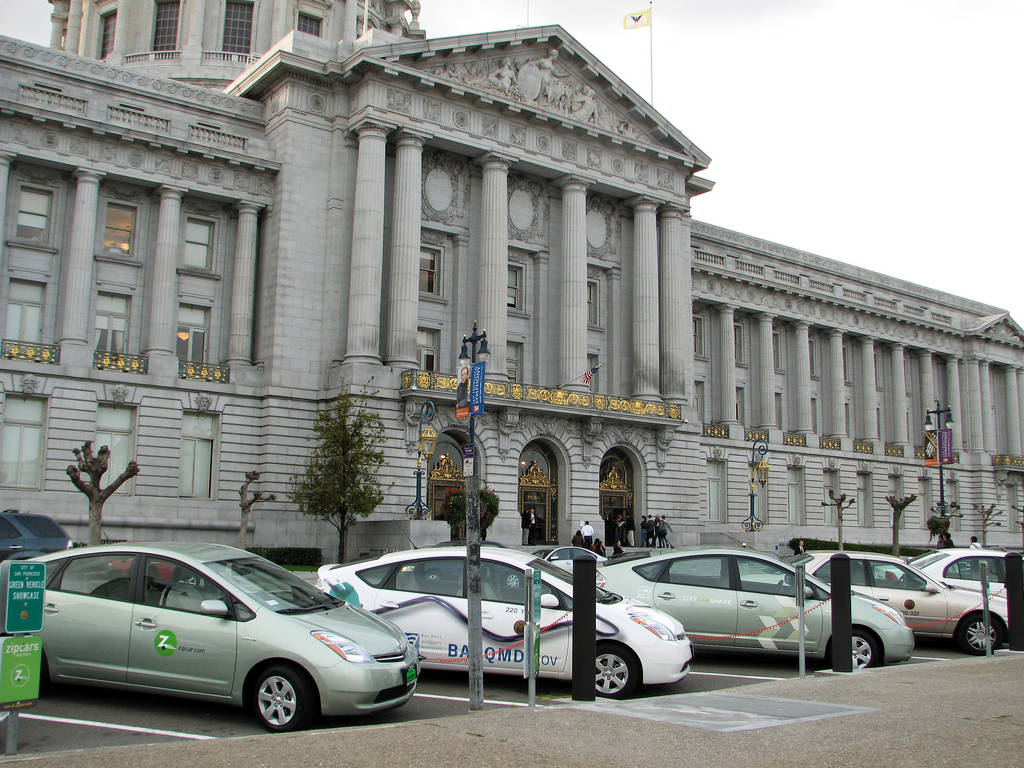
The electric vehicle charging network is set to expand significantly as the Yogi Government targets 1,500 new locations across the state. This initiative is part of the second phase of the PM E-DRIVE scheme.
Overview of the PM E-DRIVE scheme
The PM E-DRIVE scheme, initiated by the Yogi Government, aims to significantly enhance the electric vehicle charging network across the state. This ambitious initiative focuses on expanding the infrastructure needed to support the growing number of electric vehicles on the roads.
In its second phase, the scheme targets the establishment of 1,500 charging locations to ensure that electric vehicle users have easy access to charging facilities. This expansion is critical as it addresses the common concerns about charging availability, which often hinders potential EV buyers from making the switch.
The PM E-DRIVE scheme encompasses several key components:
- Infrastructure Development: Building new charging stations in urban and rural areas.
- Incentives for Installation: Offering subsidies to private enterprises and local governments to encourage rapid deployment.
- Public Awareness Campaigns: Educating citizens about the benefits of electric vehicles and the convenience of the charging network.
Overall, the scheme represents a significant step towards creating a sustainable future, making electric vehicles more practical for everyday use and supporting the state’s commitment to reducing carbon emissions.
Benefits of expanding charging infrastructure
The expansion of the electric vehicle charging network brings a variety of benefits that can significantly enhance the adoption of electric vehicles (EVs) across the state. As the infrastructure grows, several key advantages emerge:
- Increased Accessibility: A broader network of charging stations ensures that EV users can easily find charging points, making it more convenient for them to travel long distances without range anxiety.
- Support for Sustainability: Enhanced charging infrastructure supports the transition to greener transportation options, reducing reliance on fossil fuels and lowering carbon emissions.
- Boosting Economic Growth: The development of charging stations creates job opportunities in various sectors, from construction to technology and maintenance, stimulating local economies.
- Encouraging Consumer Confidence: With more charging stations available, potential buyers may feel more confident in purchasing electric vehicles, knowing that they will have reliable access to charging.
- Innovative Solutions: The expansion often incorporates smart technology, allowing for more efficient energy use and potentially lower charging costs for consumers.
Overall, the strategic growth of the electric vehicle charging network is a crucial step towards a sustainable future and the widespread acceptance of electric vehicles.
Timeline for the new charging locations
The timeline for the new charging locations under the electric vehicle charging network expansion is set to unfold over the next year. The government plans to roll out the first phase of installations by the end of Q2 2024, focusing on urban centers and high-traffic routes. This initiative aims to enhance accessibility for electric vehicle users and ensure seamless travel across the state.
Key milestones in the expansion include:
- Phase 1 Completion: By June 2024, the first 500 charging stations are expected to be operational.
- Phase 2 Kickoff: Following the successful launch of the initial locations, the next batch of 500 stations will be introduced by December 2024.
- Final Phase: The target of reaching 1,500 charging points is anticipated to be met by mid-2025.
Additionally, the government has committed to ensuring that these new charging stations are equipped with fast-charging technology, making it more convenient for electric vehicle owners. This strategic timeline is designed to promote the adoption of electric vehicles while addressing the growing demand for reliable charging infrastructure.
Impact on electric vehicle adoption
The expansion of the electric vehicle charging network is set to have a significant impact on the adoption of electric vehicles across the state. As more charging stations become available, potential EV owners will likely feel more confident in their decision to switch from traditional gasoline-powered vehicles.
With the targeted addition of 1,500 new charging locations, the convenience of accessing charging facilities will increase, addressing one of the main barriers to electric vehicle ownership: range anxiety. The availability of a robust charging network allows drivers to plan longer trips without worrying about finding a charging point.
Moreover, expanding the electric vehicle charging network promotes a more sustainable lifestyle by encouraging individuals to consider eco-friendly options. As awareness grows and more people experience the benefits of electric vehicles firsthand, the transition to cleaner transportation will accelerate.
- Increased accessibility to charging stations.
- Reduction in range anxiety for potential EV buyers.
- Encouragement of sustainable transportation habits.
Ultimately, this strategic expansion is not just about infrastructure; it’s about creating a comprehensive ecosystem that fosters the growth and acceptance of electric vehicles.
Government’s commitment to sustainability
The government has reaffirmed its commitment to sustainability by prioritizing the expansion of the electric vehicle charging network throughout the state. This initiative is a crucial component of the PM E-DRIVE scheme, which aims to not only enhance the accessibility of electric vehicle charging stations but also to promote the adoption of electric vehicles among residents.
In its efforts to create a greener future, the government has outlined several key strategies to ensure the successful implementation of this expansion. These strategies include:
- Investment in Infrastructure: Allocating funds to build and upgrade charging facilities across urban and rural areas.
- Public-Private Partnerships: Collaborating with private companies to expand the charging network efficiently and effectively.
- Community Awareness Programs: Educating citizens about the benefits of electric vehicles and the availability of charging stations.
- Regulatory Support: Streamlining processes for setting up charging stations to encourage quick deployment.
By focusing on these areas, the government is taking significant steps towards a sustainable future, fostering a robust electric vehicle charging network that will benefit all residents.
How to locate charging stations
As the electric vehicle charging network expands across the state, locating charging stations has become increasingly important for EV users. Fortunately, several resources are available to help drivers find convenient charging locations.
- Mobile Apps: Numerous mobile applications provide real-time information on charging station availability, types of chargers, and user reviews. Popular apps include PlugShare, ChargePoint, and EVgo.
- Online Maps: Websites like Google Maps have integrated EV charging station data, allowing users to view nearby stations while navigating their routes. Simply search for “electric vehicle charging” to see options in your area.
- Local Government Resources: Many state and regional transportation departments provide maps and lists of charging locations as part of their commitment to supporting electric vehicle infrastructure.
- Community Forums: Online communities and forums dedicated to electric vehicles often share insights, tips, and updates on newly installed charging stations, making them a valuable resource for EV owners.
By utilizing these tools, drivers can effectively navigate the expanding electric vehicle charging network, ensuring they have access to essential charging facilities during their travels.
Future plans for EV development
As the state moves forward with its ambitious PM E-DRIVE scheme, future plans for electric vehicle development are being shaped by innovative strategies aimed at enhancing the electric vehicle charging network. The government is committed to not only expanding the number of charging stations but also ensuring that these locations are strategically placed to serve high-traffic areas and underserved regions.
Key initiatives include:
- Investment in Technology: The introduction of fast-charging stations will significantly reduce wait times for EV users.
- Public-Private Partnerships: Collaborating with private companies to increase funding and expertise in deploying charging infrastructure.
- Incentives for Businesses: Encouraging local businesses to install charging points, making it easier for EV owners to charge while shopping or dining.
- Community Outreach: Educating residents about the advantages of electric vehicles and the accessibility of the charging network.
With these initiatives, the state aims to create a robust electric vehicle charging network that supports the growing number of EV users, ultimately contributing to a sustainable future and reduced carbon emissions.
via Wikimedia Commons
Where this came from
Prokerala · Electric vehicle charging network
Stellantis Investment Case: Clear Insights on Sales Impact · Kia EV3 GT Price: The Best Value for Electric Cars · Aptera production funding: Worst drop in stock value