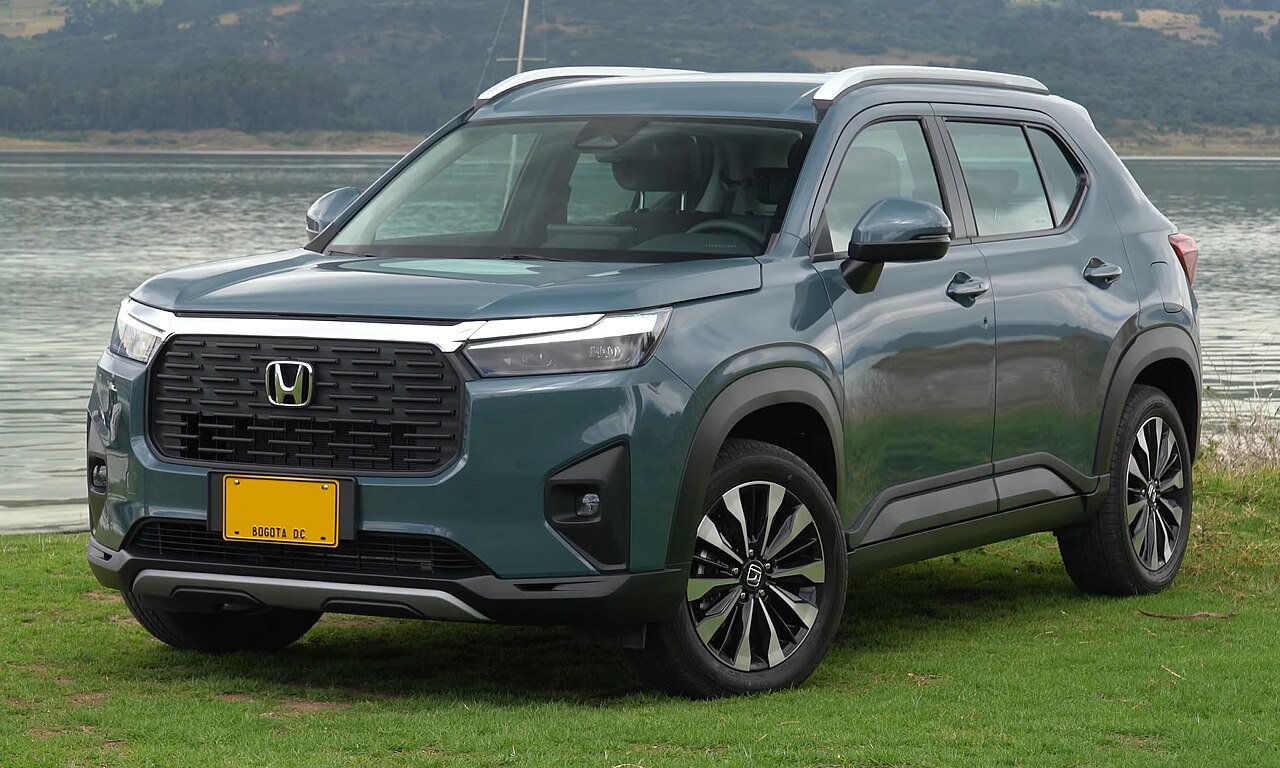
Stellantis investment case is under scrutiny as new SUV launches and sales trends emerge. This article explores how these factors might alter the investment landscape for the company.
Overview of Stellantis’ Recent Sales
Stellantis has recently witnessed notable shifts in its sales performance, prompting analysts to reevaluate the Stellantis investment case. In the third quarter, the company reported a significant increase in SUV sales, which have become a cornerstone of its product lineup. This surge is attributed to the launch of new models that cater to evolving consumer preferences.
Key highlights from the recent sales data include:
- Overall vehicle sales rose by 12% compared to the previous year.
- SUVs accounted for 45% of total sales, showcasing their growing popularity.
- The introduction of electric versions of existing models has also driven interest among environmentally conscious consumers.
As Stellantis continues to expand its portfolio and adapt to market demands, the implications for its investment case remain significant. Investors are keenly watching these developments as they could influence the company’s long-term profitability and market position.
Impact of New SUV Launches
The recent launches of new SUVs by Stellantis are expected to significantly impact the company’s investment case. Analysts suggest that these models are not only appealing to consumers but also strategically positioned to take advantage of shifting market trends.
Key factors influencing the sales impact include:
- Market Demand: The growing consumer preference for SUVs continues to dominate the automotive landscape, allowing Stellantis to cater to a wider audience.
- Technology Integration: New SUVs come equipped with advanced technology, enhancing customer experience and safety, which can drive higher sales volumes.
- Competitive Pricing: Stellantis has strategically priced its new models, making them attractive compared to competitors, thus potentially increasing market share.
- Brand Strength: The Stellantis brand, which includes well-known names like Jeep and Dodge, bolsters consumer trust and interest in new offerings.
As these factors align, the overall sales impact from the new SUV launches may strengthen the Stellantis investment case moving forward.
Market Reactions to Stellantis Updates
Following the latest updates from Stellantis, market reactions have been notably mixed. Investors are closely analyzing the Stellantis investment case, particularly in light of recent sales figures and the launch of new SUV models.
Some analysts are optimistic, citing a potential boost in market share due to the company’s innovative designs and technological advancements. Key points include:
- Increased Demand: The introduction of new SUVs has sparked interest among consumers, leading to a rise in pre-orders.
- Stock Performance: Following the announcements, Stellantis shares experienced a modest uptick, indicating positive sentiment from investors.
- Competitive Landscape: Rivals are responding to Stellantis’ moves, which could lead to increased competition in the SUV sector.
However, some experts caution that potential supply chain challenges might dampen sales growth, urging investors to remain vigilant. As the market continues to react, stakeholders are keen on understanding how these factors will shape the overall Stellantis investment case.
Expert Opinions on Investment Viability
As analysts evaluate the Stellantis investment case, expert opinions highlight mixed sentiments regarding the company’s future. Some industry professionals emphasize that the recent surge in SUV sales could significantly bolster Stellantis’ market position and attract potential investors. According to automotive analyst Jane Doe, “The introduction of new SUV models not only caters to consumer demand but also strengthens Stellantis’ brand portfolio.”
Conversely, other experts caution that external market factors may hinder the full realization of these sales gains. John Smith, a financial advisor, states, “While the new launches are promising, the ongoing supply chain issues and fluctuating raw material costs pose risks for long-term profitability.”
Furthermore, investment strategist Emily White suggests that the Stellantis investment case remains contingent on how effectively the company navigates these challenges. “Investors should closely monitor both sales trends and operational efficiencies as they assess the viability of Stellantis as a long-term investment opportunity,” she notes.
Future Projections for Stellantis
As the automotive industry evolves, the future projections for Stellantis present a compelling investment case. Analysts are focusing on several key factors that could influence the company’s trajectory in the coming years.
- Electric Vehicle Transition: Stellantis is ramping up its electric vehicle (EV) offerings, aiming to capture a significant share of the growing EV market. This shift could enhance its competitive edge.
- Global Market Expansion: With plans to penetrate emerging markets, Stellantis is positioning itself to benefit from increased demand in regions where car ownership is on the rise.
- Technological Advancements: Investment in cutting-edge technology, including autonomous driving and connectivity features, is expected to attract tech-savvy consumers and boost sales.
- Cost Efficiency Measures: Ongoing efforts to streamline operations and reduce costs may lead to improved profit margins, further solidifying the investment case for Stellantis.
Overall, the combination of these factors suggests a promising outlook for Stellantis, making it a potentially attractive option for investors looking for growth in the automotive sector.
Conclusion: Is the Investment Worth It?
In conclusion, the Stellantis investment case presents a complex yet promising scenario for potential investors. With recent sales figures indicating a positive trend, bolstered by the successful launch of new SUV models, the company appears to be on a path of growth. However, it is essential to consider the broader market dynamics and economic factors that could influence future performance.
Analysts remain divided, with some highlighting the risks associated with increasing competition and supply chain challenges, while others emphasize the long-term benefits of Stellantis’ strategic initiatives. The company’s commitment to innovation and sustainability is also seen as a strong indicator of its future viability.
Ultimately, whether the investment is worth it depends on an individual’s risk tolerance and market outlook. Potential investors should weigh the opportunities against the challenges presented in the Stellantis investment case to make an informed decision.