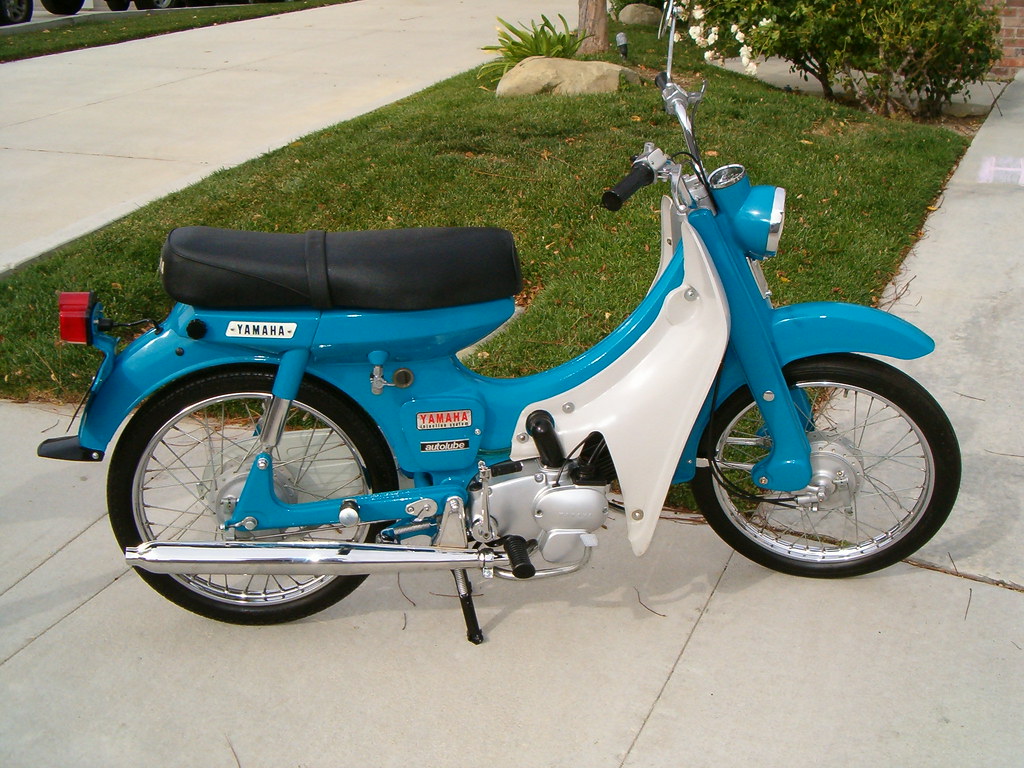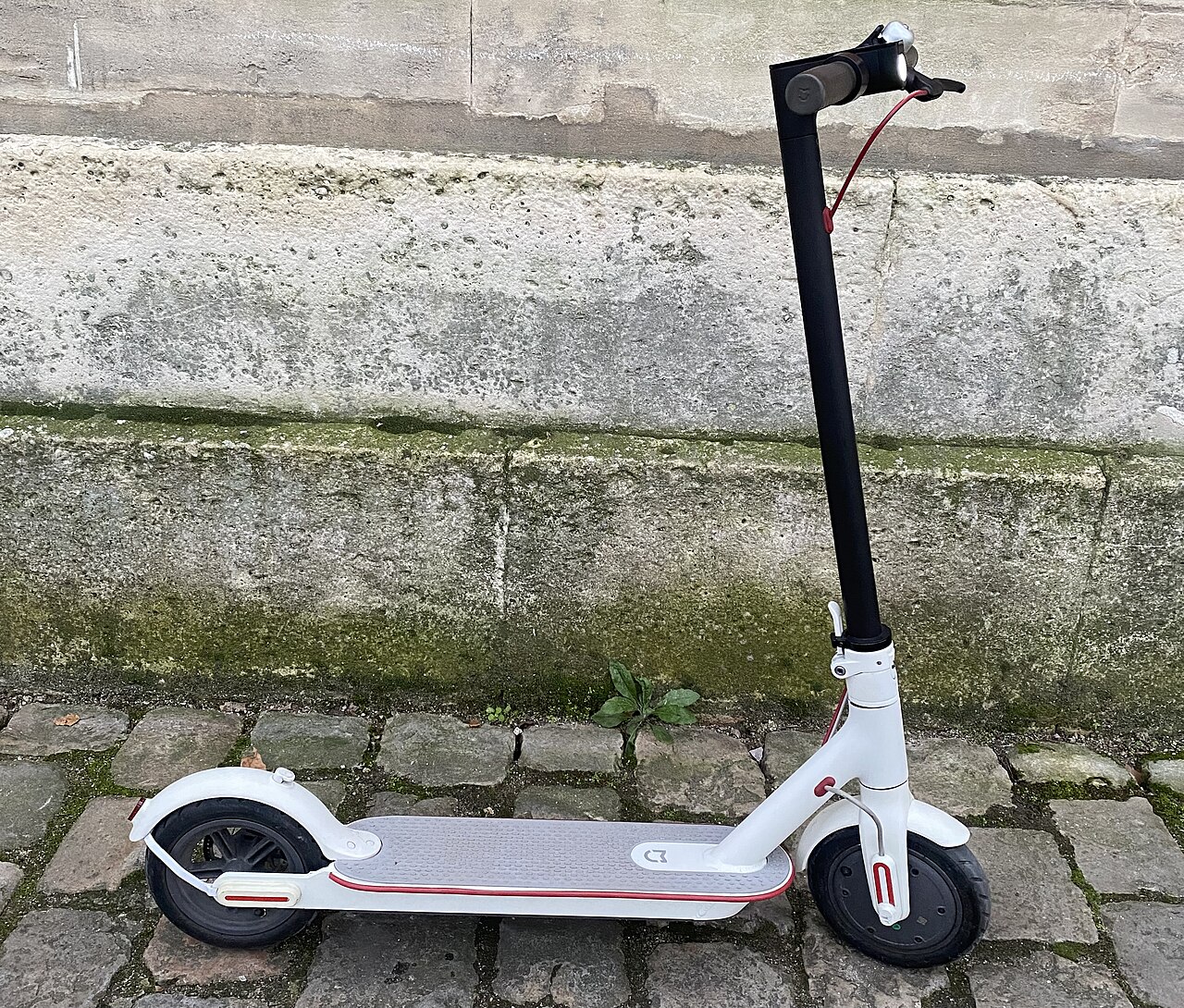

The ultracompact EV model is set to launch in Japan, intensifying the competition in the electric vehicle market. Suzuki aims to cater to growing urban mobility needs with this innovative vehicle.
Overview of Suzuki’s ultracompact EV
Suzuki has announced its entry into the growing market of electric vehicles with the launch of its new ultracompact EV model. This innovative vehicle is designed to cater to the unique needs of urban dwellers in Japan, where space is at a premium. The ultracompact EV model aims to offer an eco-friendly transportation solution that aligns with the increasing demand for sustainable options.
With the Japanese government promoting green initiatives, Suzuki’s timing is strategic. The ultracompact EV is not only compact but also energy-efficient, making it an attractive choice for city commuting. Key features of the vehicle include:
- Compact design: Ideal for narrow streets and tight parking.
- Affordability: A cost-effective option for consumers.
- Low emissions: Contributes to reducing the carbon footprint.
As competition intensifies among automakers in Japan, Suzuki’s ultracompact EV model could potentially reshape the future of urban mobility.
The growing demand for compact electric vehicles
The automotive market in Japan is experiencing a significant shift towards eco-friendly options, with a growing demand for compact electric vehicles. Consumers are increasingly seeking alternatives that balance efficiency, affordability, and environmental impact. The introduction of Suzuki’s ultracompact EV model is poised to meet this demand, as it offers a solution tailored for urban environments where space is limited.
Several factors contribute to the rising popularity of ultracompact EVs:
- Urbanization: As cities expand, the need for smaller, more maneuverable vehicles becomes essential.
- Environmental Awareness: More consumers are prioritizing sustainability, driving interest in electric options.
- Government Incentives: Supportive policies and subsidies encourage the adoption of electric vehicles.
With these trends in mind, Suzuki’s ultracompact EV model could emerge as a leading choice for Japanese consumers looking to embrace the future of transportation.
How does Suzuki’s model compare?
Suzuki’s ultracompact EV model enters a competitive market where efficiency and space-saving designs are paramount. Compared to traditional vehicles, this model stands out for its compact size and eco-friendly attributes. Key comparisons reveal:
- Maneuverability: The ultracompact design allows for easier navigation in congested urban areas, making it ideal for Japan’s bustling cities.
- Charging Flexibility: With a smaller battery, charging times are reduced, appealing to drivers who prioritize convenience.
- Affordability: Generally, ultracompact EV models are less expensive to produce and purchase, attracting budget-conscious consumers.
- Environmental Impact: Suzuki’s commitment to sustainability aligns with Japan’s goals for reduced emissions, enhancing the appeal of this ultracompact EV model.
As city dwellers seek practical electric options, Suzuki’s ultracompact EV model may indeed be one of the best choices for Japan’s future in sustainable transport.
Key features of the new ultracompact EV
The new ultracompact EV model from Suzuki comes packed with features designed to cater to urban commuters and environmentally conscious drivers. Here are some key highlights:
- Space Efficiency: The ultracompact design allows for easy maneuverability in crowded city environments, making parking and navigation a breeze.
- Battery Life: Equipped with a state-of-the-art battery, this model offers impressive range on a single charge, addressing one of the primary concerns for EV users.
- Affordability: Suzuki aims to keep the price competitive, making this ultracompact EV model an attractive option for first-time electric vehicle buyers.
- Eco-Friendly Materials: The use of sustainable materials in its construction not only reduces the overall carbon footprint but also appeals to environmentally conscious consumers.
With these features, the ultracompact EV model positions itself as a strong contender in Japan’s rapidly evolving electric vehicle market.
Market impact of new EV launches
The launch of Suzuki’s ultracompact EV model is poised to significantly impact the Japanese automotive market. As consumers increasingly lean towards smaller, more efficient vehicles, the introduction of this model comes at a crucial time. With urban areas facing congestion and pollution challenges, ultracompact electric vehicles present a viable solution for city dwellers.
Industry experts predict that Suzuki’s entry into the ultracompact segment could inspire other manufacturers to accelerate their own electric vehicle (EV) initiatives. This shift may lead to a broader selection of compact EVs, benefiting consumers with more choices and competitive pricing. The ultracompact EV model is not only designed to meet the needs of environmentally conscious drivers but also to incorporate advanced technologies that enhance user experience.
In addition, the heightened competition may stimulate innovation across the sector, driving improvements in battery efficiency and charging infrastructure. As a result, the ultracompact EV model could redefine the landscape of urban mobility in Japan.
Challenges in the Japanese EV market
The Japanese electric vehicle (EV) market faces several challenges that could impact the success of the ultracompact EV model. As competition intensifies among manufacturers, consumers are presented with a plethora of choices, making it crucial for Suzuki to differentiate its offering.
One significant challenge is the infrastructure for charging stations. While Japan is known for its advanced technology, the availability of charging points remains inconsistent, particularly in rural areas. This can deter potential buyers from considering ultracompact EVs for their daily commutes.
Additionally, the high cost of production for cutting-edge EV technology can translate to higher retail prices, which may alienate cost-sensitive consumers. Other factors include:
- Regulatory hurdles that may delay rollouts.
- Consumer perceptions of EV range and performance.
- Competition from established players in the compact car segment.
Addressing these challenges will be vital for the ultracompact EV model to thrive in this competitive landscape.
Future of ultracompact electric vehicles
The future of ultracompact electric vehicles appears promising, particularly in densely populated regions like Japan. As urban areas continue to grapple with traffic congestion and environmental concerns, the demand for smaller, more efficient transportation options is on the rise. Suzuki’s ultracompact EV model is positioned to meet this need, offering a practical solution for city dwellers.
Industry experts predict several trends that may shape the ultracompact EV market:
- Increased Government Support: Initiatives aimed at promoting electric vehicle adoption could provide subsidies or tax breaks, making ultracompact models more accessible.
- Technological Advancements: Improvements in battery technology may enhance the driving range and performance of ultracompact EVs, addressing consumer concerns.
- Shifts in Consumer Behavior: As sustainability becomes a priority, more consumers may opt for compact, eco-friendly vehicles.
Ultimately, the success of Suzuki’s ultracompact EV will depend on its ability to adapt to these trends while meeting the needs of the Japanese market.
via Wikimedia Commons