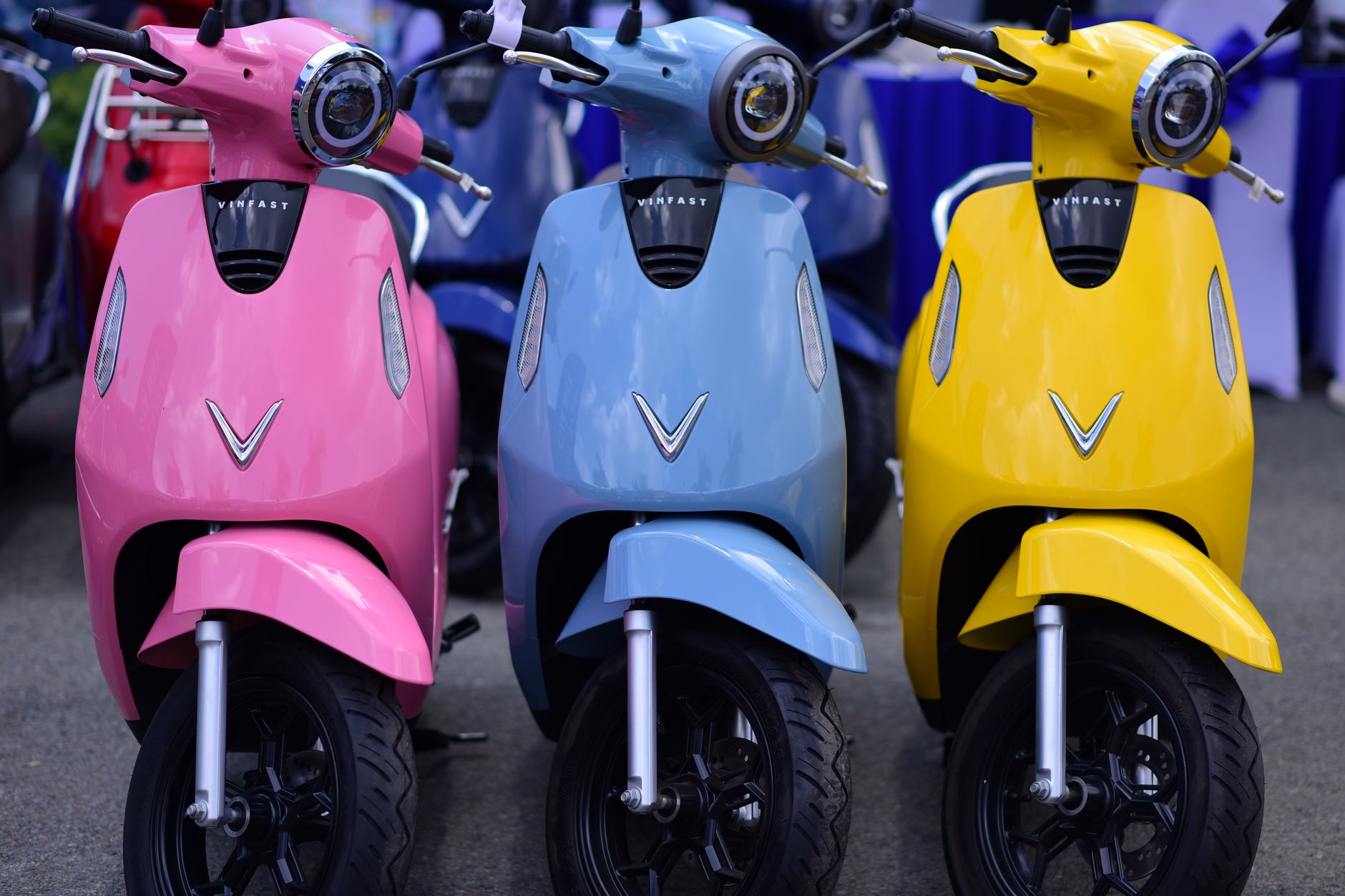
EV bikes range is expanding rapidly in India, with models now offering up to 100 km on a single charge. This development is changing the landscape of electric mobility in the country.
Introduction to EV Bikes in India
The electric vehicle (EV) market in India has seen significant growth in recent years, particularly in the two-wheeler segment. With an increasing number of consumers seeking eco-friendly transportation options, EV bikes have become a popular choice among urban commuters. These bikes not only offer a sustainable alternative to traditional gasoline-powered vehicles but also come equipped with modern technology and features that cater to the needs of today’s riders.
One of the key considerations for potential buyers is the EV bikes range, which refers to the distance an electric bike can travel on a single charge. In India, many manufacturers have introduced models that promise a range of up to 100 kilometers, making them ideal for daily commutes and short trips. This distance ensures that riders can efficiently manage their travel without the constant worry of recharging.
As the demand for electric bikes continues to rise, several brands are competing to offer the best options in terms of performance, design, and price. Consumers are now faced with a variety of choices, each boasting unique features and benefits. In this evolving landscape, it is crucial for buyers to stay informed about the latest models and their range capabilities to make a well-informed decision.
Benefits of Electric Bikes
Electric bikes have become increasingly popular in India, primarily due to their numerous benefits. As more riders consider the switch to electric, understanding these advantages can help them make informed decisions.
One of the primary benefits of electric bikes is their environmental impact. Unlike traditional gasoline-powered vehicles, EV bikes produce zero emissions, contributing to a decrease in air pollution and greenhouse gas emissions. This is particularly important in urban areas where air quality is a growing concern.
In addition to being eco-friendly, EV bikes offer significant cost savings. The operational costs are considerably lower compared to petrol or diesel bikes, as electricity is cheaper than fuel. Additionally, maintenance costs are generally reduced since electric bikes have fewer moving parts and require less frequent servicing.
Another advantage is the convenience these bikes provide. With many models available that boast a range of up to 100 km on a single charge, riders can easily complete their daily commutes without the need for frequent recharging. This makes them ideal for urban commuting.
Furthermore, electric bikes contribute to a quieter riding experience. This reduction in noise pollution can enhance the overall quality of life for both riders and those in the vicinity.
With these benefits in mind, it’s clear why electric bikes are becoming a popular choice among Indian consumers.
Top Brands in the EV Market
The electric vehicle (EV) market in India has seen significant growth, particularly in the segment of electric bikes. With a focus on sustainability and efficiency, several brands have emerged as leaders in providing electric bikes with impressive ranges. Below are some of the top brands known for their EV bikes range, specifically those offering options that can travel up to 100 km on a single charge.
- Ather Energy – Ather 450X: This bike stands out with its smart features and a range of approximately 116 km, making it a popular choice among urban commuters.
- Bajaj Auto – Bajaj Chetak: A revival of a classic, the Chetak offers a range of about 95 km, combining nostalgia with modern electric technology.
- Hero Electric – Hero Photon: Known for its reliability, the Photon delivers around 108 km per charge, making it suitable for daily use.
- TVS Motor Company – TVS iQube: With a robust performance and a range of 75 km, the iQube is an excellent option for eco-conscious riders.
- Okinawa – Okinawa Praise Pro: This bike boasts an impressive range of 110 km, with features tailored for comfort and efficiency.
These brands reflect the growing commitment to producing electric bikes that not only meet the needs of consumers but also contribute to a greener future.
Understanding Range and Efficiency
As electric vehicles gain popularity, understanding the EV bikes range and efficiency becomes crucial for potential buyers. The range of an electric bike refers to how far it can travel on a single charge, which is a key factor for consumers considering an EV bike for daily use.
In the context of urban commuting, a range of 100 km is often sufficient for most riders, offering a balance between convenience and practicality. Several factors influence the actual range an electric bike can achieve, including:
- Battery Capacity: The size of the battery plays a significant role in determining how far the bike can go before needing a recharge.
- Riding Conditions: Terrain, weather, and traffic conditions can affect the efficiency of the bike, impacting the overall range.
- Rider Behavior: Accelerating quickly, frequent stops, and high speeds can deplete the battery faster than a more moderate riding style.
Moreover, advancements in battery technology and motor efficiency have led to improvements in the EV bikes range, with many manufacturers now offering models that can comfortably reach the 100 km mark on a single charge. This progress not only enhances the appeal of electric bikes but also supports the transition towards greener transportation options.
Customer Preferences for EV Bikes
As the demand for sustainable transportation rises, customer preferences for EV bikes are evolving rapidly. Many consumers prioritize range, with an increasing number seeking models that offer a reliable distance on a single charge. Among the growing options, EV bikes with a range of up to 100 km have become particularly popular in India.
According to recent surveys, customers are looking for the following features in their electric bikes:
- Range: A significant factor influencing purchase decisions is the EV bikes range. Many buyers prefer models that can comfortably cover daily commutes without the need for frequent recharging.
- Charging time: Quick charging capabilities are essential, as customers want minimal downtime between rides. Models that can charge fully in 4-6 hours are often favored.
- Price: Affordability remains a crucial consideration. Buyers are increasingly considering the total cost of ownership, including maintenance and electricity costs, alongside the initial purchase price.
- Design and comfort: Aesthetic appeal and riding comfort also play significant roles, with many customers opting for stylish designs and ergonomic features.
Overall, as the market for electric bikes continues to expand, understanding customer preferences will be vital for manufacturers aiming to capture a larger share of this growing segment.
Comparing Traditional and Electric Bikes
As the interest in sustainable transportation grows, many consumers find themselves weighing the advantages of traditional bikes against the increasing popularity of electric bikes. The EV bikes range has become a pivotal factor in this comparison, particularly for those considering a switch.
Traditional bikes have long been favored for their simplicity and lower initial costs. They rely entirely on human power, which means no charging is required and maintenance is typically less complicated. However, they also demand more effort, especially over longer distances or challenging terrains.
On the other hand, electric bikes offer a unique blend of convenience and efficiency. With advancements in technology, many EV bikes now provide a range of up to 100 km on a single charge, making them a viable option for daily commuting. This range not only reduces the frequency of charging but also allows for longer journeys without the worry of running out of power.
When comparing the two, it’s essential to consider factors such as:
- Cost: Initial investment vs. long-term savings on fuel.
- Usage: Daily commute needs versus recreational activities.
- Environmental impact: Emissions from traditional bikes versus the sustainability of electric bikes.
Ultimately, the choice between traditional and electric bikes hinges on individual preferences, lifestyle, and the specific EV bikes range that suits their needs.
Future of EV Bikes in India
The future of EV bikes in India looks promising as the technology continues to evolve, making electric vehicles increasingly accessible to the average consumer. With manufacturers focusing on enhancing the EV bikes range, many models are now capable of covering distances up to 100 km on a single charge, catering to the daily commuting needs of urban riders.
As cities across India grapple with pollution and congestion, the adoption of electric bikes presents a sustainable solution. Government incentives and policies are encouraging manufacturers to innovate, leading to improved battery technologies and charging infrastructure. This development is crucial for increasing consumer confidence and expanding the market for electric bikes.
Several factors will shape the future of EV bikes in India:
- Technological Advancements: Continuous improvements in battery efficiency and charging times will enhance the overall user experience.
- Cost-Effectiveness: As production scales up, the prices of EV bikes are expected to decrease, making them more affordable.
- Infrastructure Development: Expansion of charging stations will provide convenience and ease of use for EV bike owners.
- Consumer Awareness: Educating potential buyers about the benefits and capabilities of electric bikes will drive adoption.
With these developments, the landscape for EV bikes in India is set for significant growth, making electric mobility a viable choice for many.
Conclusion: The Road Ahead for EVs
As the electric vehicle (EV) revolution continues to gain momentum in India, the EV bikes range is becoming a key consideration for consumers. With advancements in battery technology and increasing government support, manufacturers are focused on delivering models that not only meet the daily commuting needs of riders but also offer impressive ranges.
The growing demand for EV bikes with a range of up to 100 km has paved the way for several compelling options in the market. These bikes cater to urban commuters who require efficiency without the hassle of frequent recharging. As brands innovate and introduce new models, we are likely to see even more improvements in battery life, charging infrastructure, and overall performance.
Moreover, the shift towards sustainable transportation is reshaping consumer preferences, with many opting for electric bikes to reduce their carbon footprint. This trend is further supported by favorable government policies and incentives aimed at promoting electric mobility.
In conclusion, the future of EV bikes in India looks promising as manufacturers continue to enhance the EV bikes range. The combination of improved technology, increasing awareness, and positive market dynamics will play a crucial role in shaping the landscape of electric mobility, making EV bikes an attractive choice for a broader audience in the coming years.
When exploring the EV bikes range in India, it’s essential to consider not only the battery capacity but also the efficiency of the motor. Many manufacturers are now focusing on enhancing the EV bikes range to cater to the growing demand for longer-distance travel.
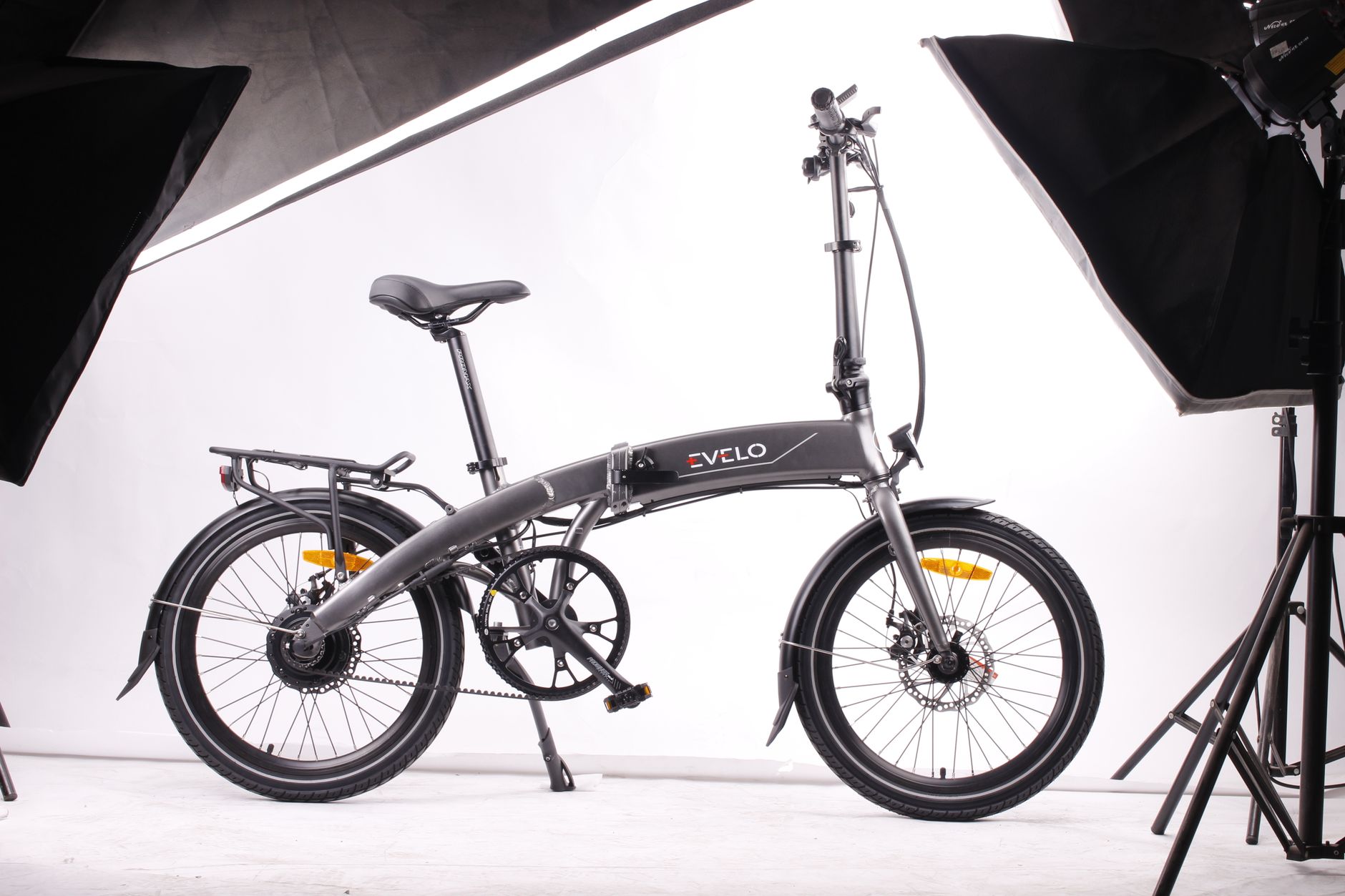
Photo by Team EVELO on Pexels
Read the original
You might also like
Trump financial disclosure: Honest look at SpaceX and Tesla trades · Anthropic IPO News: Is It the Best Investment Opportunity? · BMW R 12 G/S launch: Best Proven Adventure Bike at ₹25.40 Lakh