The artificial EV gearbox is set to revolutionize the automotive industry. BMW’s new innovation, inspired by Hyundai, promises enhanced performance and efficiency for electric vehicles.
What is an Artificial EV Gearbox?
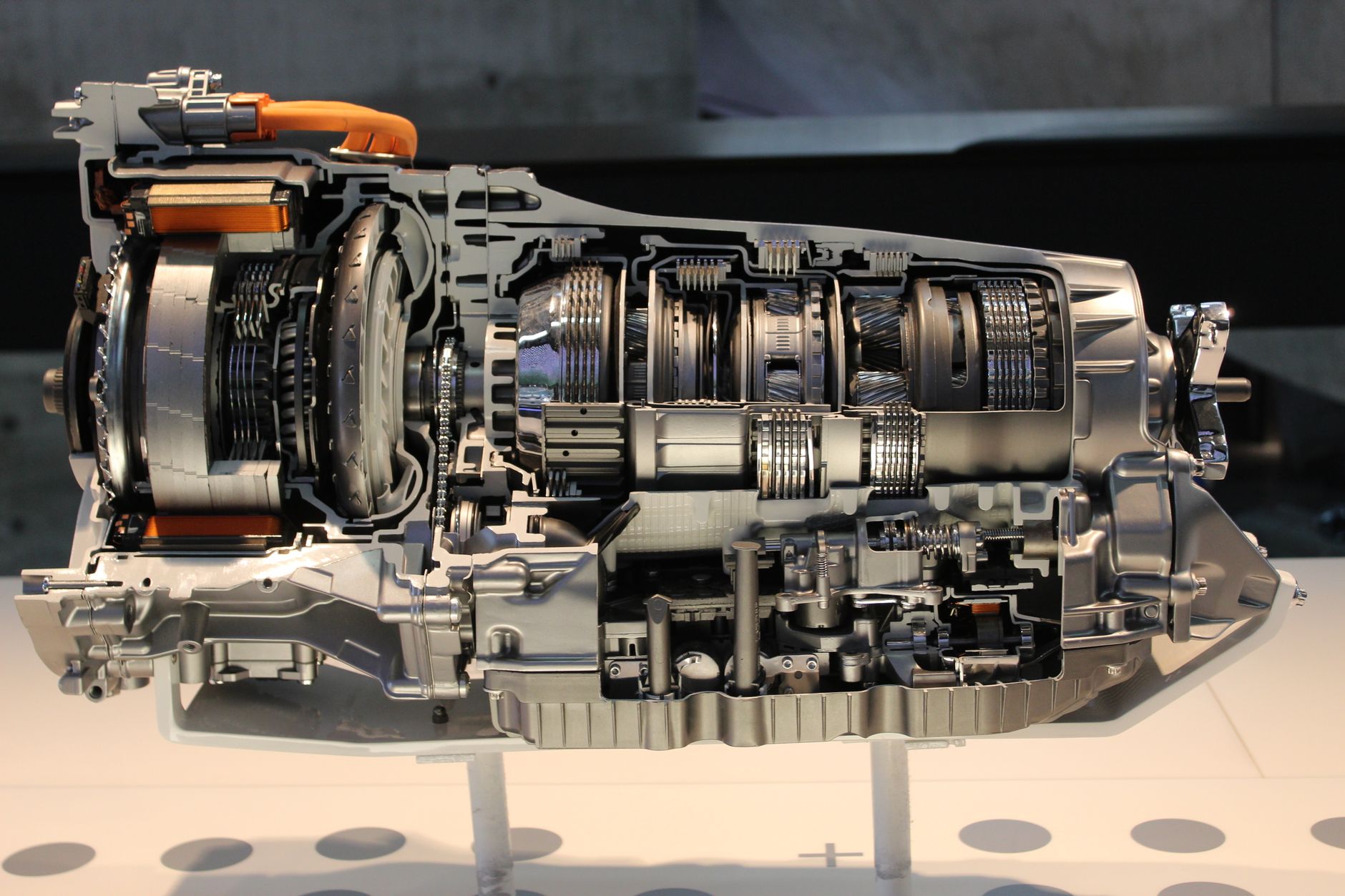
The artificial EV gearbox is a groundbreaking innovation designed to enhance the driving experience of electric vehicles (EVs). Unlike traditional gearboxes, this technology aims to replicate the feel of driving a combustion engine vehicle while maintaining the efficiency of electric powertrains. By simulating gear shifts, it provides drivers with a more engaging and familiar sensation.
Key features of the artificial EV gearbox include:
- Enhanced Driving Dynamics: The gearbox allows for a more responsive driving experience, giving users the thrill of shifting gears.
- Increased Efficiency: By optimizing power delivery, the gearbox helps to maximize battery range and performance.
- Customizable Settings: Drivers can choose different driving modes, adjusting the responsiveness and feel of the vehicle to match their preferences.
As BMW prepares to launch this innovative technology, it draws inspiration from systems used by competitors like Hyundai, aiming to set a new standard in the EV market.
How BMW’s Gearbox Compares to Hyundai’s
As the automotive industry evolves, the competition between electric vehicle manufacturers intensifies. BMW’s latest innovation, the artificial EV gearbox, aims to enhance driving experiences by mimicking traditional gear shifts. In contrast, Hyundai has taken a different approach, focusing on optimizing electric drivetrains without the need for complex gear systems.
When comparing the two, several factors emerge:
- Performance: BMW’s artificial EV gearbox is designed to provide a more dynamic driving feel, whereas Hyundai’s system prioritizes efficiency and simplicity.
- Driving Experience: The artificial EV gearbox offers drivers a sense of familiarity, appealing to those accustomed to conventional vehicles. Hyundai’s strategy, on the other hand, embraces the unique characteristics of electric driving.
- Complexity: While BMW’s innovation adds a layer of complexity, Hyundai maintains a streamlined approach that could lead to lower maintenance costs.
Ultimately, the choice between BMW’s artificial EV gearbox and Hyundai’s design philosophy may come down to personal preference and driving style.
Benefits of Artificial Gearbox Technology
The introduction of the artificial EV gearbox by BMW is set to revolutionize the driving experience for electric vehicle enthusiasts. This innovative technology offers several key benefits that enhance both performance and efficiency.
- Improved Efficiency: The artificial gearbox optimizes power delivery, ensuring that energy consumption is minimized while maximizing range, a crucial factor for electric vehicle users.
- Smoother Driving Experience: With the capability to adjust gear ratios in real-time, drivers can enjoy a seamless transition between speeds, enhancing comfort on various terrains.
- Enhanced Performance: The technology allows for quicker acceleration and better handling, offering a sportier feel that appeals to those who crave responsiveness in their vehicles.
- Customizable Driving Modes: Drivers can select different modes tailored to their preferences, whether they prioritize efficiency, performance, or a balance between the two.
As a result, the artificial EV gearbox not only positions BMW at the forefront of innovation but also redefines the standards for electric mobility.
Challenges in EV Gearbox Development
The development of an artificial EV gearbox presents several challenges that manufacturers must navigate.
- Complexity of Design: Creating an artificial EV gearbox requires advanced engineering and a deep understanding of electric vehicle dynamics. The integration of software and hardware components must be seamless to ensure optimal performance.
- Cost Implications: The research and development costs associated with this new technology can be substantial. Manufacturers need to balance innovation with affordability to remain competitive in the market.
- Market Acceptance: Consumers may be hesitant to embrace a new type of gearbox, especially if they are accustomed to traditional systems. Educating potential buyers on the benefits of the artificial EV gearbox is crucial.
- Regulatory Standards: Compliance with safety and environmental regulations can complicate the development process. Manufacturers must ensure that their innovations meet industry standards before they are brought to market.
Despite these challenges, the potential of an artificial EV gearbox to revolutionize electric vehicle performance continues to drive research and investment in the automotive sector.
Future of Electric Vehicle Technology
The future of electric vehicle technology is poised for significant advancements, particularly with innovations like the artificial EV gearbox. As manufacturers strive to enhance performance and efficiency, this technology could play a pivotal role in shaping the next generation of electric vehicles.
One of the primary goals in EV development is to improve energy consumption and extend battery life. The artificial EV gearbox promises to optimize power delivery, allowing for smoother acceleration and deceleration. This innovation not only enhances driver experience but also contributes to the overall sustainability of electric vehicles.
Moreover, as electric vehicle adoption continues to rise, the demand for more sophisticated drivetrains is increasing. Consumers are looking for vehicles that offer both performance and efficiency. The introduction of the artificial EV gearbox aligns with these expectations, potentially making it a game-changer in the market.
However, challenges still lie ahead in the widespread adoption of this technology. Continuous research and development will be crucial to address any technical hurdles and ensure that the artificial EV gearbox meets the evolving demands of consumers.
Consumer Reactions to BMW’s Innovation
As BMW prepares to introduce its artificial EV gearbox, consumer reactions have been a mix of excitement and skepticism. Many potential buyers are eager to see how this cutting-edge technology will enhance their driving experience. One consumer stated, “The idea of an artificial EV gearbox sounds promising. If it can improve efficiency and performance, I’m all in.”
However, some consumers express concerns about the reliability of such technology. A recent survey revealed that:
- 60% of respondents are excited about new innovations in EV technology.
- 25% believe that established brands like BMW may face challenges in implementing these advancements.
- 15% remain doubtful about the necessity of an artificial EV gearbox.
Despite mixed feelings, many agree that improving electric vehicle performance is essential in today’s market. As one enthusiast put it, “If BMW’s artificial EV gearbox can deliver on its promises, it could set a new standard for the industry.”
Ultimately, the success of this innovation will depend on real-world performance and consumer acceptance.
Expert Opinions on Gearbox Efficiency
Experts in the automotive sector have weighed in on the efficiency of the artificial EV gearbox developed by BMW. Many agree that this innovation could set a new standard for electric vehicle performance.
Dr. Emily Carter, an automotive engineer, stated, “The artificial EV gearbox represents a significant leap forward in how electric vehicles manage power delivery. It not only optimizes energy consumption but also enhances the driving experience.”
Furthermore, industry analyst Mark Thompson highlighted the potential for improved range efficiency. “By using an artificial gearbox, BMW can offer drivers a smoother ride while maximizing battery life, which is crucial in today’s market focused on sustainability,” he noted.
However, some experts remain cautious. “While the artificial EV gearbox is promising, its long-term reliability and maintenance costs will be key factors in its widespread adoption,” cautioned Sarah Nguyen, a leading automotive analyst.
Overall, the consensus is that BMW’s artificial EV gearbox could revolutionize the electric vehicle landscape, provided it meets the expectations of consumers and industry stakeholders alike.
Conclusion: The Road Ahead for BMW
As the automotive industry continues to evolve, the introduction of the artificial EV gearbox by BMW marks a significant step forward in electric vehicle technology. This innovation not only showcases BMW’s commitment to enhancing performance but also reflects a growing trend towards more efficient and adaptable drivetrains.
Looking ahead, the success of the artificial EV gearbox will depend on several factors, including consumer acceptance, ongoing technological advancements, and competitive pressures. BMW aims to leverage its engineering expertise to refine this technology further, ensuring it meets the demands of modern drivers seeking both efficiency and performance.
Moreover, as competitors like Hyundai also explore similar technologies, the competition will likely spur rapid innovation across the industry. BMW’s artificial EV gearbox could become a benchmark for others to follow, influencing future designs and functionalities.
Ultimately, the road ahead for BMW and its innovative gearbox will not just redefine the driving experience but also shape the future landscape of electric vehicles. As we watch this technology develop, it will be fascinating to see how it transforms the market.
Photo by Akshit Jhanwar on Pexels