EV range anxiety is often overstated. In reality, 300-400 km is enough in Indian cities for daily use and convenience.
Understanding EV Range Anxiety
As electric vehicles (EVs) become increasingly popular in India, understanding EV range anxiety is crucial for potential buyers. This phenomenon refers to the fear of running out of battery power before reaching a destination, which can deter many consumers from making the switch to electric. However, the perception of insufficient range often does not align with the realities of urban driving.
In Indian cities, daily commutes are typically short, averaging around 30 to 50 kilometers. With most modern EVs offering a range of 300 to 400 kilometers on a single charge, the concern over range seems exaggerated. Key factors contributing to this understanding include:
- Urban Driving Patterns: City driving often involves frequent stops and starts, reducing the total distance driven.
- Availability of Charging Infrastructure: The growing network of public and home charging stations alleviates the worry of running out of charge.
- Driving Behavior: EVs are generally more efficient in stop-and-go traffic, allowing for optimal energy use.
Ultimately, potential buyers should focus on their specific driving needs rather than succumb to range anxiety. With appropriate planning and awareness, the transition to an EV can be both practical and beneficial.
Why 300-400 km is Sufficient
In the context of electric vehicles (EVs) in India, the debate around range anxiety often centers on the distance a vehicle can travel on a single charge. However, studies and real-world driving patterns suggest that a range of 300-400 km is sufficient for most urban drivers. This is particularly relevant in Indian cities where daily commutes rarely exceed this distance.
Several factors contribute to this conclusion:
- Typical Daily Usage: Most urban residents drive less than 50 km daily, making the prospect of charging an EV at home or work highly practical.
- Charging Infrastructure: The growing network of fast chargers in cities ensures that drivers can recharge their vehicles conveniently during short breaks or while parked.
- Cost Effectiveness: Vehicles with ranges of 300-400 km are generally more affordable than their longer-range counterparts, making them a viable option for many consumers.
- Sustainable Driving: This range encourages drivers to adopt more sustainable driving habits, as they will prioritize charging during longer trips.
Ultimately, addressing EV range anxiety involves understanding and adapting to the realities of urban transportation, where a range of 300-400 km is often more than adequate.
Daily Driving Needs in India
In the context of Indian cities, daily driving needs often do not align with the concerns surrounding EV range anxiety. Most urban commuters have relatively short travel distances, making electric vehicles (EVs) a practical option. The average daily commute in major cities like Delhi, Mumbai, and Bengaluru is typically between 20 to 40 kilometers.
Here are some key points to consider regarding daily driving needs in India:
- Short Distances: Many users utilize their vehicles primarily for short trips, which are well within the range of most modern EVs.
- Charging Infrastructure: The growing availability of charging stations across urban areas alleviates concerns about running out of battery during the day.
- Home Charging: Most EV owners can charge their vehicles overnight at home, ensuring a full battery for the next day’s travels.
- Cost Efficiency: EVs tend to have lower operating costs, making them an attractive option for daily commuting.
Thus, for the average Indian driver, the anxiety surrounding EV range becomes less relevant when considering the practicalities of daily driving needs and the evolving infrastructure supporting electric mobility.
The Future of Electric Vehicles
The future of electric vehicles (EVs) in Indian cities looks promising as advancements in technology and infrastructure continue to evolve. With the growing concern of EV range anxiety, many potential buyers are hesitant to make the switch from conventional vehicles. However, it’s essential to recognize that the reality of daily driving needs can significantly alleviate these concerns.
As urban areas expand, the availability of charging stations is increasing, making it easier for EV users to recharge their vehicles conveniently. Additionally, many new models are being designed with efficiency and practicality in mind, allowing for a range that comfortably meets the needs of city driving.
Factors contributing to the bright future of EVs include:
- Government incentives: Policies aimed at promoting electric mobility are helping reduce costs for consumers.
- Improved battery technology: Ongoing research is leading to longer-lasting and more efficient batteries.
- Infrastructure development: The expansion of charging networks is making electric driving more feasible.
- Public awareness: Increased education about the benefits of EVs is encouraging more people to consider making the switch.
Ultimately, the future of EVs in India is not just about overcoming range anxiety, but about embracing a sustainable and efficient mode of transportation that aligns with urban lifestyles.
Common Misconceptions about EVs
As electric vehicles (EVs) become more popular in India, several misconceptions about them persist, particularly concerning EV range anxiety. Many potential buyers believe that longer ranges are essential for a satisfactory driving experience. However, this view overlooks the realities of urban driving.
Some common misconceptions include:
- Myth 1: EVs are only suitable for long-distance travel.
- Myth 2: Charging infrastructure is insufficient.
- Myth 3: EVs are too expensive for the average consumer.
- Myth 4: Battery life diminishes rapidly, leading to frequent replacements.
- Myth 5: Range anxiety will significantly impact daily use.
In reality, the average daily commute in Indian cities is often below 50 kilometers. Therefore, the typical EV range of 300-400 km is more than adequate for most users. Charging options at home and work further alleviate concerns about battery depletion. Additionally, advancements in battery technology continue to enhance efficiency and longevity.
Ultimately, addressing these misconceptions is crucial for increasing EV adoption and dispelling the fears associated with EV range anxiety, paving the way for a sustainable future in Indian urban transport.
Factors Affecting EV Range
When considering electric vehicles (EVs), several factors influence the range, which can help alleviate EV range anxiety among potential buyers. Understanding these factors is crucial for making an informed decision.
- Battery Capacity: The size of the battery directly affects the range. Larger batteries can store more energy, allowing for longer distances between charges.
- Driving Conditions: Urban driving often involves frequent stops and starts, which can impact range. However, regenerative braking in EVs can help recover some energy during city driving.
- Weather Conditions: Temperature extremes can affect battery performance. Cold weather may reduce battery efficiency, while exceptional heat can lead to increased energy demands for cooling systems.
- Vehicle Weight: Heavier vehicles require more energy to operate, thus reducing range. Lightweight design and materials can enhance efficiency.
- Driving Habits: Aggressive acceleration and high speeds can quickly deplete battery power. Adopting smoother driving techniques can help maximize range.
By understanding these factors, potential EV owners can better manage their concerns about range, making electric vehicles a practical choice for urban commuting.
Charging Infrastructure in India
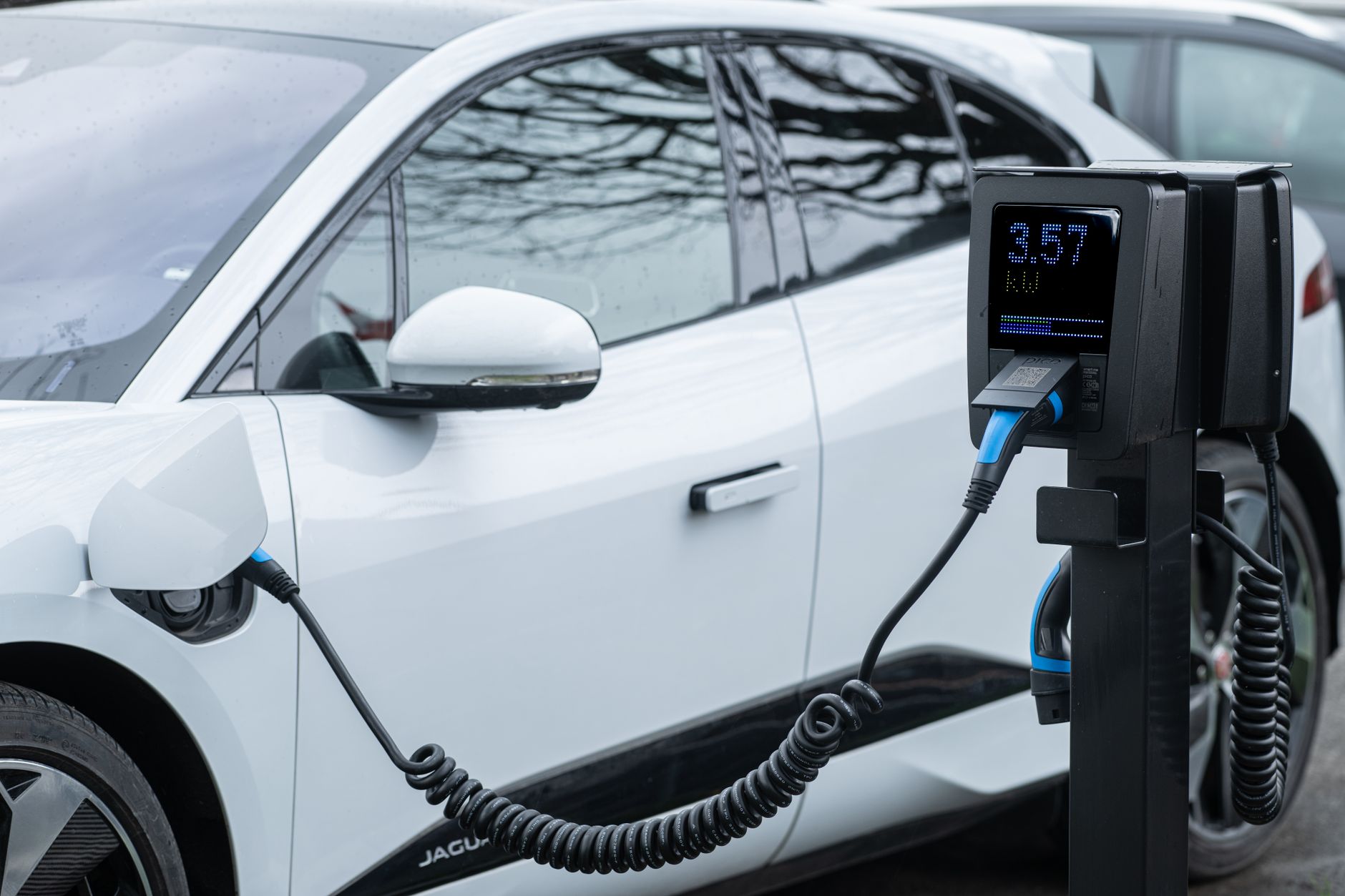
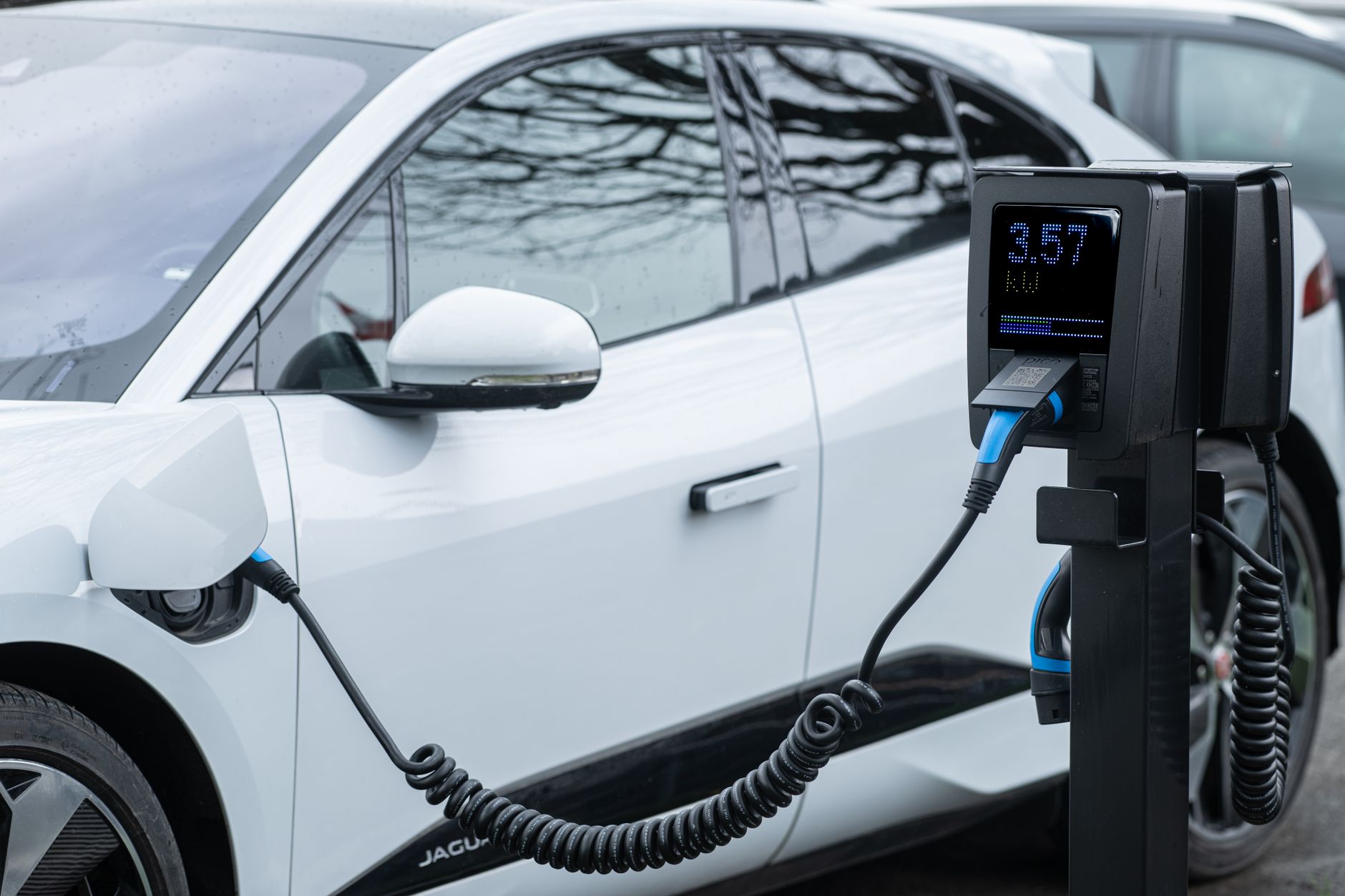
As electric vehicles (EVs) gain popularity in India, the importance of robust charging infrastructure cannot be overstated. A well-developed network of charging stations plays a crucial role in alleviating EV range anxiety, which often deters potential buyers from making the transition to electric mobility.
Currently, India’s charging infrastructure is expanding rapidly, with both government and private sectors investing in new stations. This growth is vital for supporting the increasing number of EVs on the road. Key developments include:
- Public Charging Stations: Cities are witnessing the installation of numerous public charging stations, making it easier for EV owners to find convenient charging options.
- Fast Chargers: Many new installations feature fast chargers that significantly reduce charging time, encouraging more drivers to opt for EVs.
- Home Charging Solutions: With the rise of home charging kits, EV owners can conveniently charge their vehicles overnight, further minimizing range anxiety.
- Government Initiatives: Various state governments are introducing policies and incentives to promote the development of charging infrastructure.
As these initiatives take shape, the growing network of charging stations will undoubtedly contribute to easing EV range anxiety, making electric vehicles a more viable option for urban commuters in India.
Conclusion: Smart Choices for EV Buyers
As the electric vehicle (EV) market continues to expand, it is essential for potential buyers to make informed decisions, especially in the context of EV range anxiety. Many prospective EV owners worry about the limitations of battery range, but understanding the practicalities of daily use can alleviate these concerns.
In urban areas, where commuting distances are typically short, an EV with a range of 300-400 km is often more than sufficient. This range caters to the average daily driving needs of most city dwellers, allowing for multiple trips without the constant fear of running out of charge.
Moreover, as charging infrastructure improves, the convenience of owning an EV increases. Home charging options can further reduce the stress associated with range anxiety. It is advisable for buyers to:
- Assess their daily travel patterns.
- Consider the availability of charging stations in their vicinity.
- Evaluate the benefits of owning an EV beyond just range, such as lower running costs and environmental impact.
By focusing on these key factors, prospective buyers can make smarter choices, ensuring that their decision to purchase an EV is based on practical needs rather than unfounded fears.
As more Indian cities embrace electric vehicles, addressing EV range anxiety becomes crucial for widespread adoption. Innovative charging solutions and infrastructure improvements can significantly reduce EV range anxiety among potential users.
Photo by smart-me AG on Pexels
Sources
You might also like
Oppo A7 Ultra battery: Is 12,000mAh Really Worth It? · Toyota Innova Hycross Facelift: The Best Proven Update · Mahindra SUV price UK: The Shocking Truth Revealed