
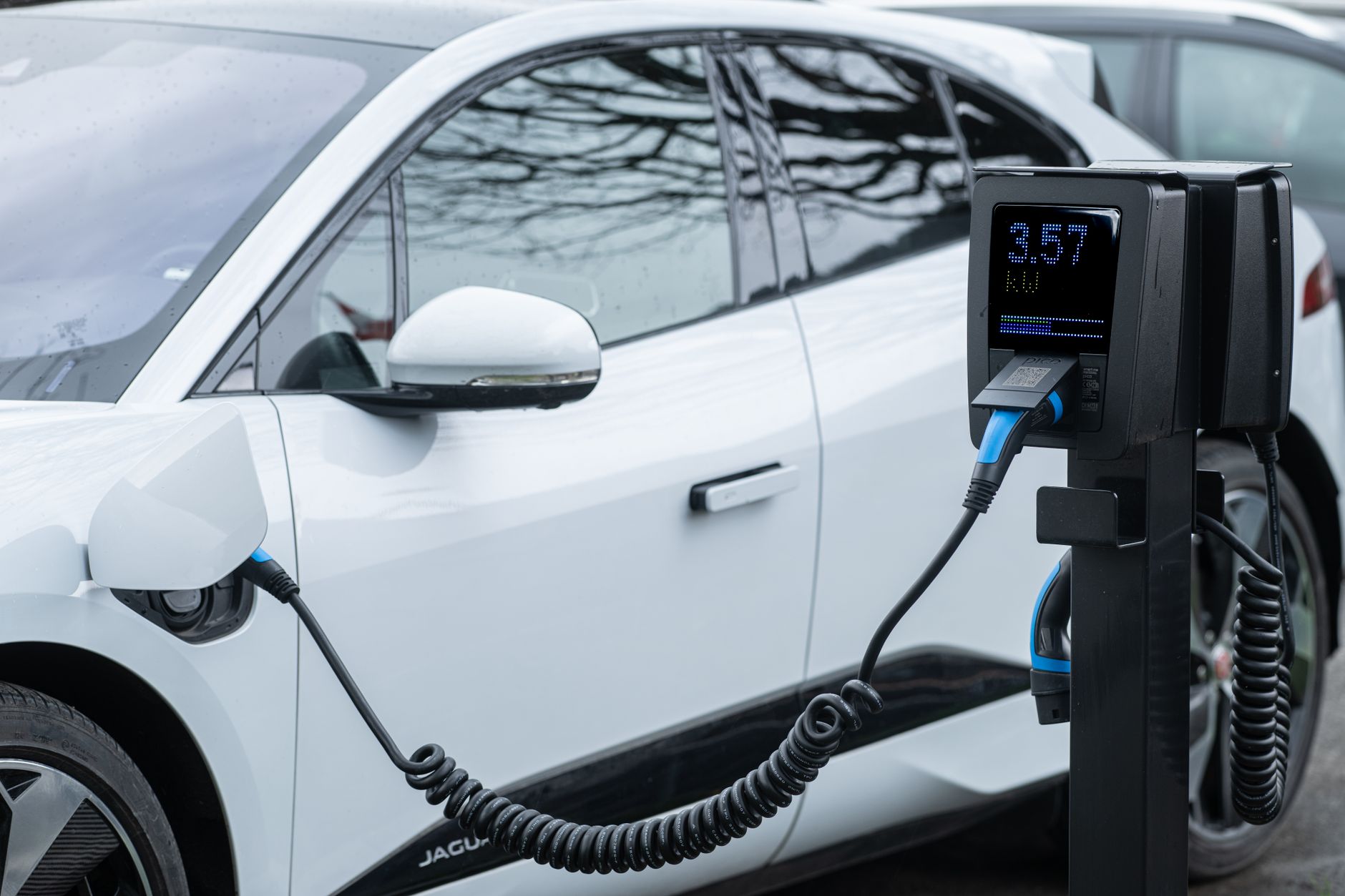
Germany EV subsidy fund is at risk of running dry by the end of 2027, raising concerns about the future of electric vehicle incentives in the country.
Overview of Germany’s EV subsidy fund
Germany’s EV subsidy fund has been a crucial component in promoting electric vehicle adoption across the country. However, recent forecasts suggest that the fund could face significant challenges in the coming years.
As the demand for electric vehicles continues to grow, the financial resources allocated to support these incentives may not be sustainable. The potential depletion of the subsidy fund by the end of 2027 raises concerns about the future of EV adoption in Germany.
Key factors influencing the longevity of the Germany EV subsidy fund include:
- Increasing number of electric vehicle sales: As more consumers opt for electric vehicles, the fund is likely to be rapidly consumed to meet demand.
- Budget constraints: The German government may face challenges in reallocating funds to support the subsidy program.
- Market dynamics: Changes in the global auto industry and supply chain issues could impact the availability and affordability of electric vehicles.
In light of these challenges, stakeholders are urged to consider long-term strategies to ensure the sustainability of Germany’s EV subsidy fund, thereby fostering continued growth in the electric vehicle market.
Current status of electric vehicle incentives
The current status of electric vehicle incentives in Germany indicates a critical juncture for the nation’s ambitious plans to promote EV adoption. The Germany EV subsidy fund, designed to bolster the transition to electric mobility, is facing significant challenges that could impact its sustainability.
Recent analyses suggest that the fund is at risk of depletion by the end of 2027. This worrying outlook raises questions about the future of financial support for consumers and manufacturers alike. Policymakers are grappling with the implications of a dwindling budget, which could hinder the growth of the EV market.
Several factors are contributing to this potential shortfall:
- Increased demand: A surge in electric vehicle purchases has led to a higher than anticipated uptake of subsidies.
- Funding limitations: The current financial structure may not accommodate the rising costs associated with expanding EV infrastructure.
- Policy shifts: Changes in government priorities could redirect funds away from the EV sector.
As the timeline progresses, stakeholders are urged to consider sustainable funding solutions to ensure the viability of the Germany EV subsidy fund and the broader transition to electric vehicles.
Impact of subsidies on EV adoption
The impact of the Germany EV subsidy fund on electric vehicle adoption has been significant, yet concerns are mounting about its sustainability. The incentives provided have played a crucial role in encouraging consumers to transition from traditional vehicles to electric alternatives. However, with projections indicating that the fund may be depleted by the end of 2027, the future of EV adoption is uncertain.
A recent analysis highlights several key factors influencing this trend:
- Increased Demand: As awareness of climate change grows, more consumers are seeking environmentally friendly options, leading to heightened demand for electric vehicles.
- Manufacturers’ Response: Automakers are ramping up production and investment in EV technologies, responding to both consumer demand and regulatory pressures.
- Price Sensitivity: Subsidies are critical in making EVs more affordable, particularly for lower-income households. Without these financial incentives, many may be unable to make the switch.
- Charging Infrastructure: The expansion of charging stations is essential for supporting increased EV adoption, and ongoing funding is necessary to ensure this infrastructure keeps pace.
Without sustained support from the Germany EV subsidy fund, the momentum gained in recent years could falter, impacting long-term adoption rates.
Future projections for EV funding
As discussions surrounding the Germany EV subsidy fund continue, experts have begun to outline potential future projections regarding its sustainability. With the increasing demand for electric vehicles, there are growing concerns that the current funding may not be sufficient to support the necessary incentives.
Analysts warn that if the current trends persist, the subsidy fund could face significant depletion, leading to a worst-case scenario by 2027. Factors contributing to this potential crisis include:
- Rising production costs for electric vehicles, which necessitate higher subsidies to maintain consumer interest.
- Growing competition within the EV market, driving manufacturers to seek additional support from government funds.
- Changing political priorities, which could shift focus away from environmental initiatives and impact funding allocations.
The lack of a robust financial framework for the Germany EV subsidy fund raises concerns about the future of EV adoption. If funding runs dry, it could significantly hinder Germany’s ambitious climate goals and slow down the transition to sustainable transportation.
Government responses and solutions
In light of the concerning projections regarding the Germany EV subsidy fund, government officials are exploring various responses to mitigate potential funding shortfalls. Policymakers recognize that the sustainability of electric vehicle (EV) adoption hinges not only on current incentives but also on long-term strategies to bolster the transition to greener transportation.
One proposed solution includes reallocating existing funds from fossil fuel subsidies to enhance the EV subsidy fund, thereby ensuring that resources are directed towards sustainable technologies. Furthermore, the government is considering implementing a tiered incentive structure that would prioritize funding for low-income households and small businesses, making EVs more accessible to a broader demographic.
Part of the strategy also involves increasing public-private partnerships, encouraging investment from the automotive industry to support the transition. By leveraging private funds, the government hopes to extend the lifespan of the EV subsidy fund and minimize the risk of depletion.
Additionally, enhancing public awareness campaigns about the long-term benefits of electric vehicles could motivate consumers to embrace EVs despite potential subsidy reductions, fostering a culture of sustainability that goes beyond financial incentives.
Photo by smart-me AG on Pexels