The solar microgrid patent is a groundbreaking achievement by NIT-R, aimed at revolutionizing EV charging infrastructure. This innovation is expected to significantly improve efficiency and sustainability in electric vehicle usage.
What is a Solar Microgrid?
A solar microgrid is a localized energy system that can operate independently or in conjunction with the main electrical grid. It utilizes renewable energy sources, such as solar panels, to generate electricity, making it an eco-friendly solution for power generation. These systems are particularly beneficial for communities looking to enhance energy resilience and sustainability.
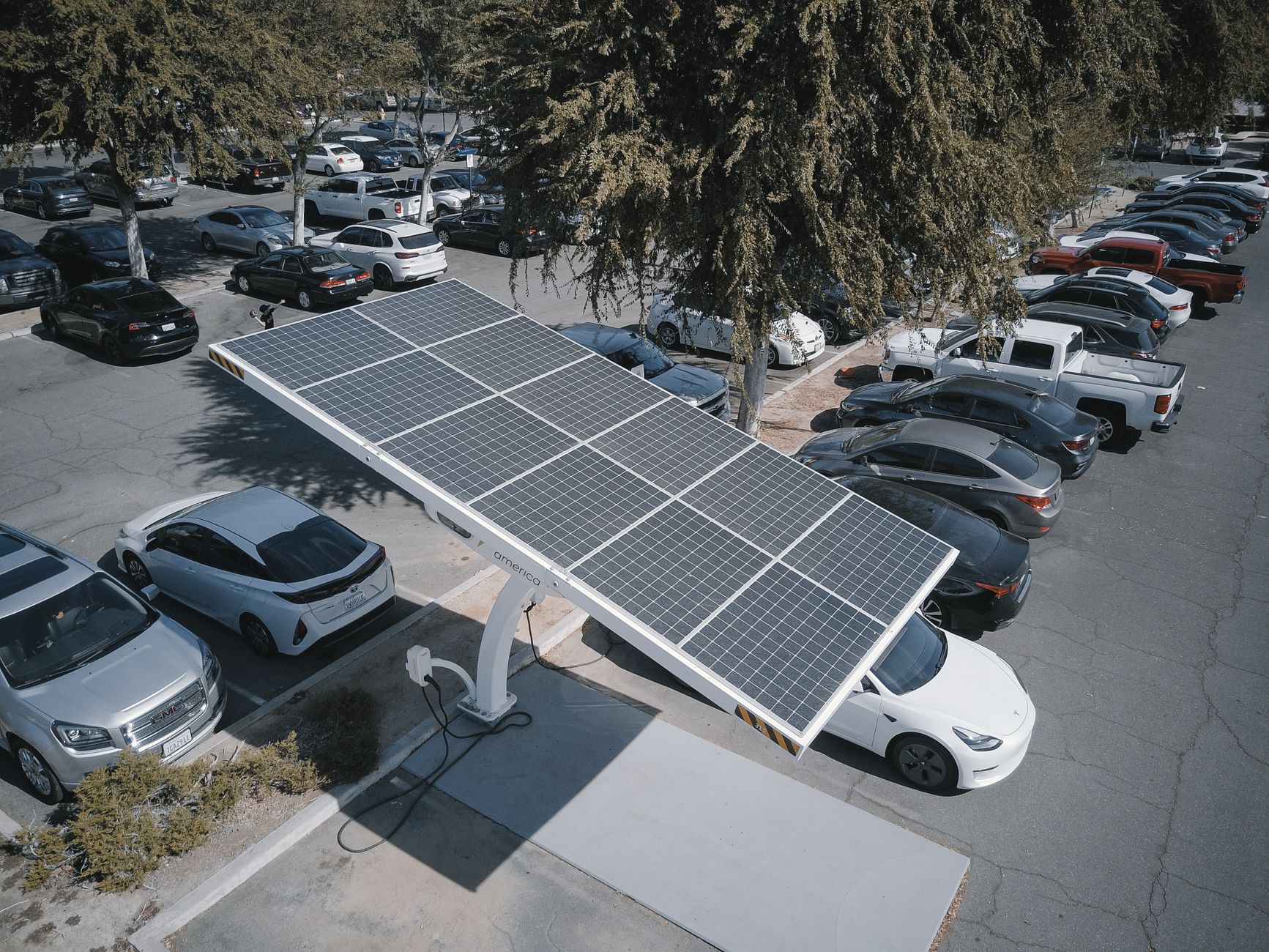
One of the key components of a solar microgrid is its ability to manage energy distribution efficiently. By harnessing solar energy, these microgrids can provide power for various applications, including electric vehicle (EV) charging stations. The integration of energy storage systems allows for the storage of excess energy generated during sunny days, ensuring that electricity is available when needed, even during cloudy conditions or at night.
The recent patent secured by NIT-R for a solar microgrid specifically designed to boost EV charging demonstrates the growing importance of these systems in the transition to renewable energy. As electric vehicle adoption increases, the demand for reliable and sustainable charging infrastructure becomes critical, making innovations in solar microgrid technology vital for the future of transportation.
The Importance of EV Charging
The importance of efficient and accessible EV charging infrastructure cannot be overstated, especially as electric vehicles become increasingly popular. As cities and regions strive to reduce their carbon footprints, the demand for innovative solutions like a solar microgrid patent is on the rise.
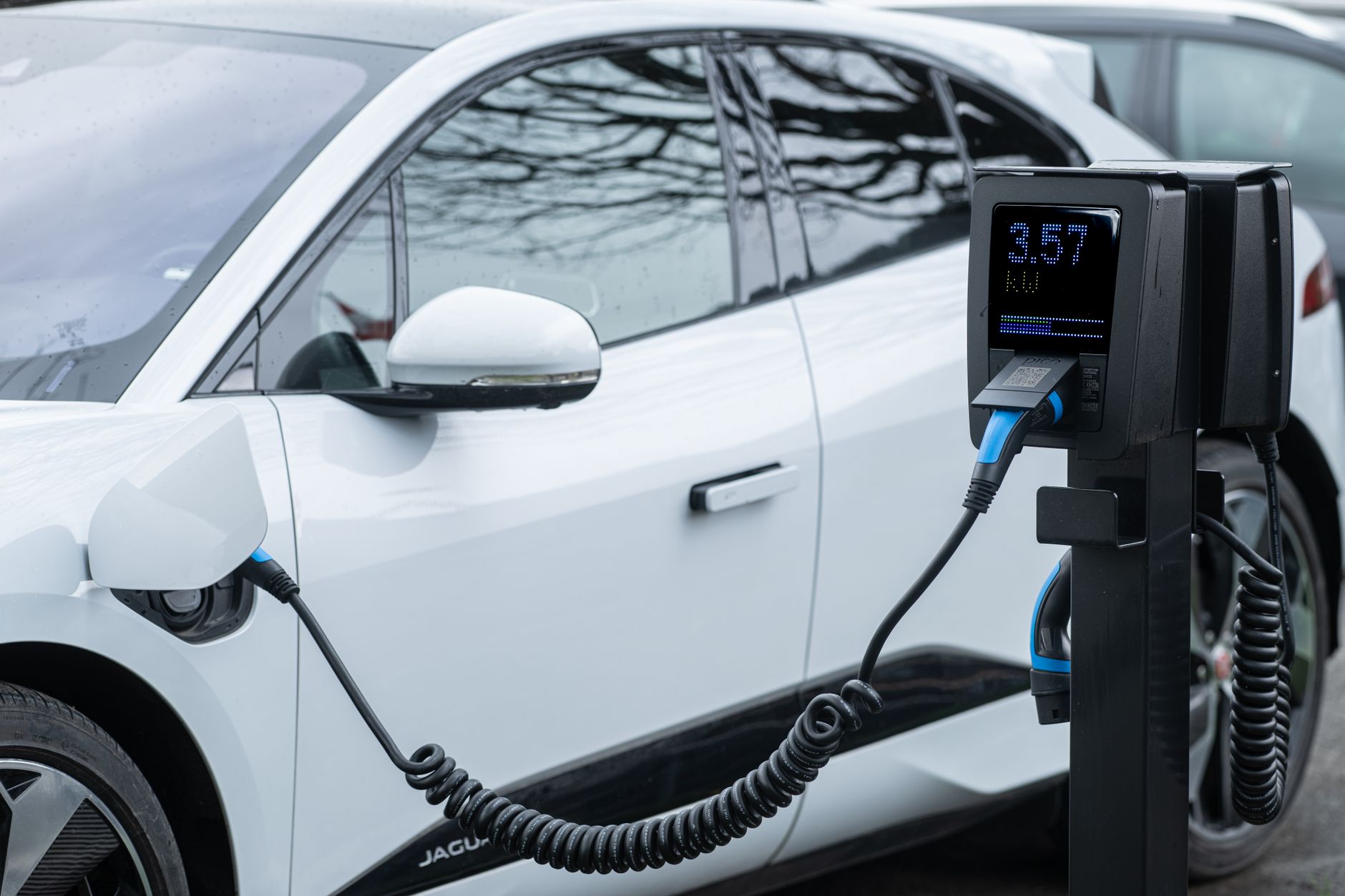
Electric vehicles require reliable charging stations that are both sustainable and capable of meeting high energy demands. A solar microgrid offers a promising solution by harnessing renewable energy to power these stations. This approach not only reduces dependence on fossil fuels but also enhances energy security.
Key benefits of integrating solar microgrids into EV charging infrastructure include:
- Reducing greenhouse gas emissions: Utilizing solar energy significantly cuts down on harmful emissions associated with traditional energy sources.
- Enhancing grid resilience: Solar microgrids can operate independently during power outages or grid failures, ensuring continuous service.
- Lowering operational costs: By generating their own energy, solar microgrids can provide cost-effective charging solutions.
As NIT-R’s recent patent demonstrates, the development of solar microgrids represents a crucial step towards a sustainable future for EV charging.
NIT-R’s Innovative Approach
NIT-R has made significant strides in renewable energy technology with its latest achievement: a solar microgrid patent designed specifically to enhance electric vehicle (EV) charging infrastructure. This innovative approach not only addresses the growing demand for sustainable energy solutions but also supports the increasing number of EVs on the road.
The patented solar microgrid operates independently from the main electrical grid, allowing for efficient energy generation and distribution. This system harnesses solar power, ensuring that EV charging stations have a reliable and eco-friendly energy source. NIT-R’s design incorporates advanced energy management techniques, optimizing the use of solar energy while reducing dependence on fossil fuels.
Key features of this solar microgrid include:
- Energy Efficiency: Maximizes solar energy capture and storage.
- Scalability: Easily expanded to meet growing energy demands.
- Cost-Effectiveness: Reduces operational costs for EV charging stations.
Overall, NIT-R’s solar microgrid patent represents a significant advancement in sustainable energy technology, paving the way for more accessible and efficient EV charging solutions.
Future of Renewable Energy Solutions
The future of renewable energy solutions is increasingly tied to advancements in technology that enhance efficiency and accessibility. One such innovation is the recently patented solar microgrid developed by NIT-R, designed specifically to boost electric vehicle (EV) charging capabilities. This development not only signifies a leap in sustainable energy but also addresses the urgent need for reliable EV infrastructure.
As the world shifts towards greener alternatives, the integration of solar microgrids will play a crucial role in shaping energy consumption patterns. These microgrids offer a decentralized approach, allowing communities to generate and utilize their own clean energy. The advantages include:
- Increased energy independence: Communities can reduce reliance on fossil fuels.
- Cost savings: Lower operational costs as solar energy becomes cheaper than traditional sources.
- Scalability: Easily expandable to meet growing energy demands.
Moreover, the solar microgrid patent highlights the importance of innovative solutions in facilitating the transition to electric mobility. As cities invest in EV infrastructure, technologies like these will be vital for a sustainable future.
The solar microgrid patent developed by NIT-R has shown significant potential in enhancing the efficiency of electric vehicle charging stations. By leveraging this solar microgrid patent, cities can reduce their reliance on traditional power sources while promoting sustainable transportation solutions.
Photo by Kindel Media on Pexels