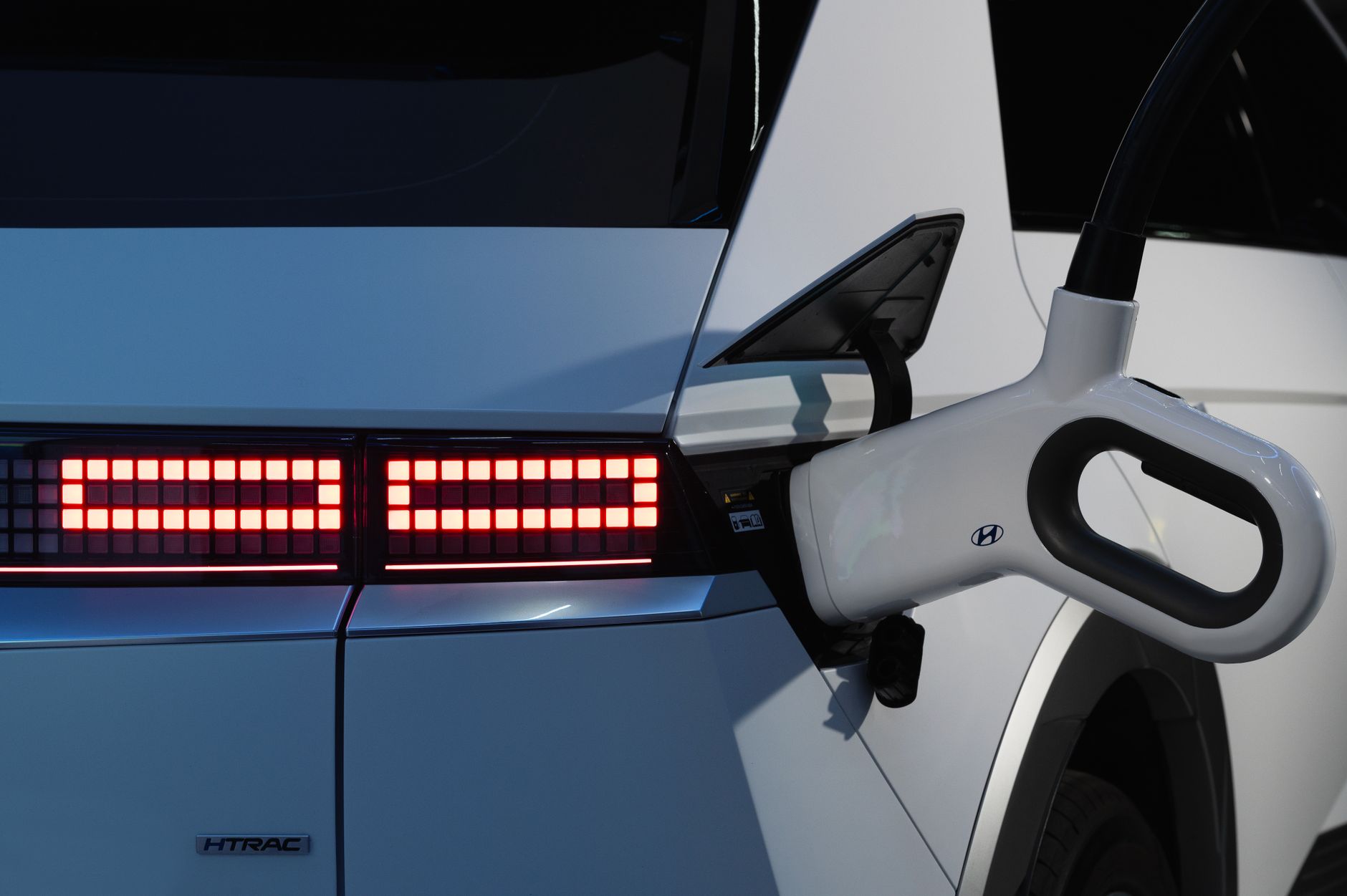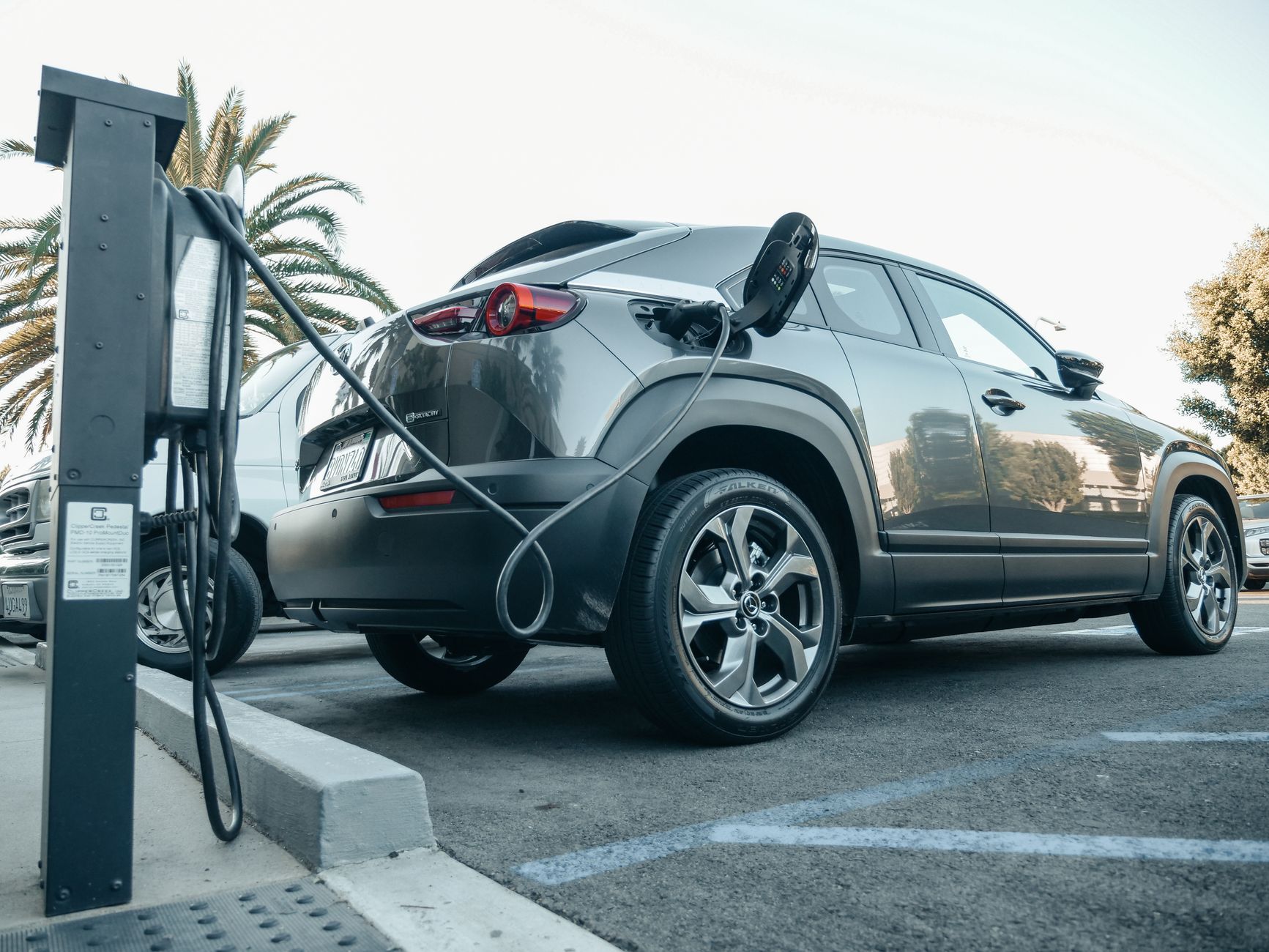
Hyundai Neira electric MPV is making waves as the electric twin of Kia Carens Clavis EV. This new model promises innovative features and eco-friendly transportation.
What to Expect from Hyundai Neira
The Hyundai Neira electric MPV is generating considerable buzz in the automotive community, especially with its recent unveiling alongside the Kia Carens Clavis EV. As an electric multi-purpose vehicle, the Neira is expected to offer a blend of practicality and advanced technology that caters to modern family needs.
Here are some key features to expect from the Hyundai Neira:
- Spacious Interior: Designed to accommodate families, the Neira promises a roomy cabin with flexible seating configurations, making it ideal for both daily commutes and long journeys.
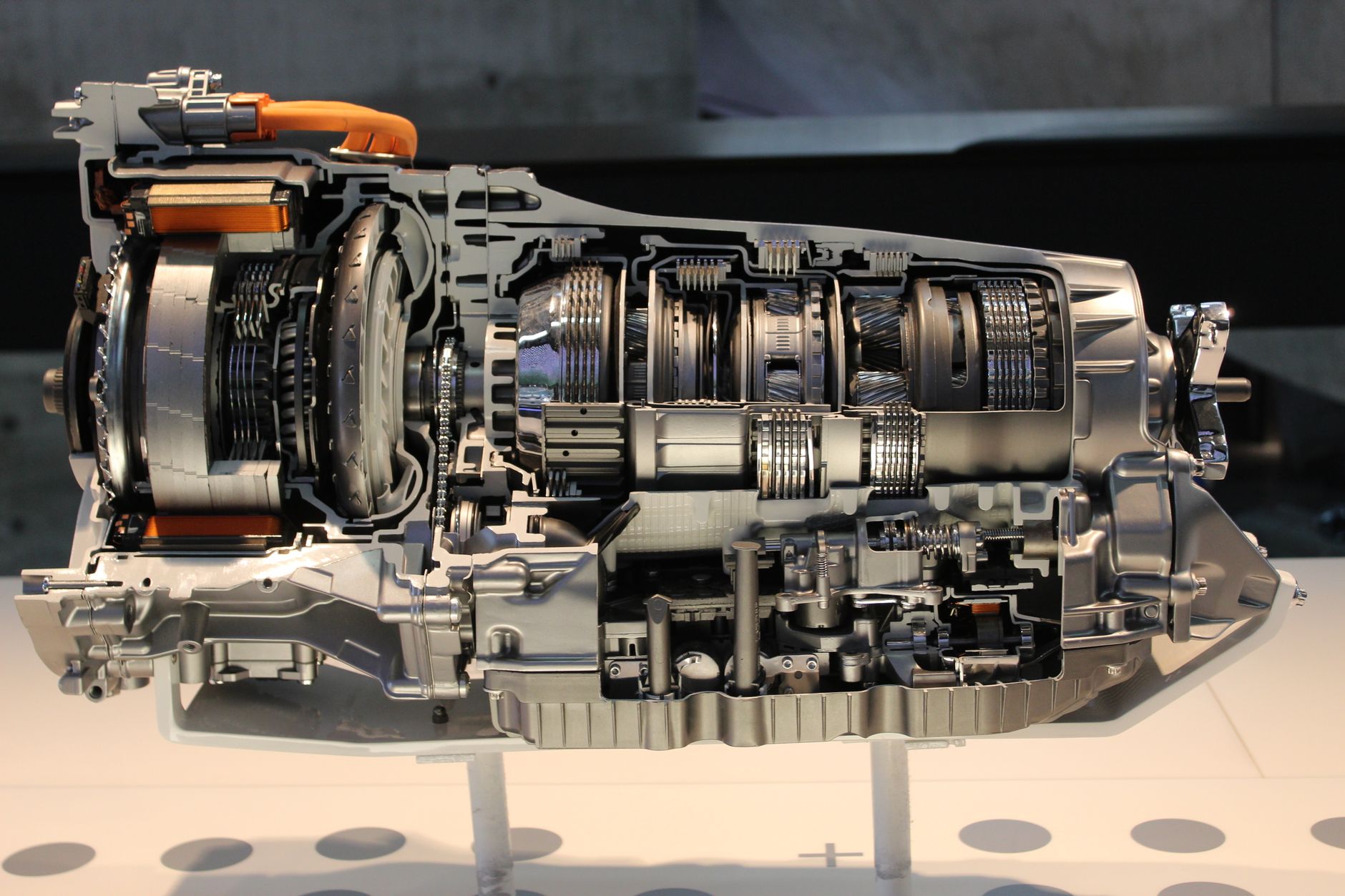
- Advanced Electric Powertrain: Expect a robust electric powertrain that not only delivers impressive range but also ensures a smooth and quiet driving experience.
- Smart Technology: The integration of smart tech features, including an intuitive infotainment system, connectivity options, and advanced driver-assistance systems, will be a highlight.
- Sustainability: As part of Hyundai’s commitment to sustainability, the Neira will likely incorporate eco-friendly materials and manufacturing processes.
- Performance: With a focus on performance, the Neira is anticipated to deliver a dynamic driving experience that sets it apart from traditional MPVs.
As discussions about the Hyundai Neira electric MPV continue, potential buyers are eager to see if it lives up to the hype and whether it will be available in markets like India.
Kia Carens Clavis EV Overview
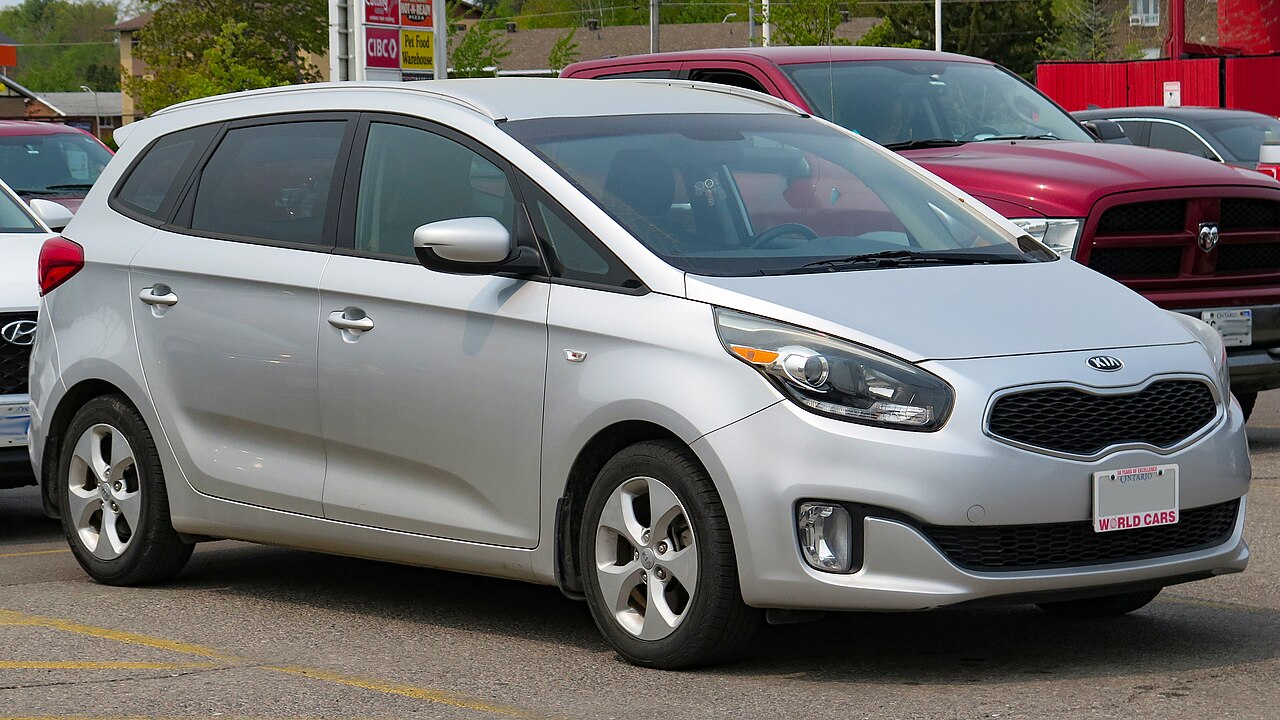
The Kia Carens Clavis EV is making waves in the electric vehicle market, and its unveiling has raised questions about the Hyundai Neira electric MPV, which shares its platform. The Clavis EV is designed with family usability in mind, offering spacious interiors and contemporary technology features that appeal to a wide audience.
Key features of the Kia Carens Clavis EV include:
- Electric Powertrain: The Clavis is equipped with a robust electric powertrain that promises impressive range and performance, making it a competitive choice in the electric MPV segment.
- Interior Comfort: Spacious seating for up to seven passengers, along with ample cargo space, provides comfort for long journeys.
- Advanced Technology: The vehicle boasts a state-of-the-art infotainment system, including a large touchscreen display and connectivity options that enhance the driving experience.
- Sustainability Features: The Clavis EV is built with eco-friendly materials, aligning with the growing demand for sustainable vehicles.
As the Hyundai Neira electric MPV shares many characteristics with the Clavis, it raises expectations for similar features and performance. Both vehicles highlight the commitment of Kia and Hyundai to innovate in the electric vehicle market, aiming to meet diverse consumer needs while promoting environmentally friendly transportation solutions.
Hyundai Neira Electric MPV Features
The Hyundai Neira electric MPV is packed with features designed to enhance both comfort and utility for families and urban commuters alike. This innovative vehicle showcases a range of technological advancements that set it apart in the electric vehicle market.
One of the standout features of the Hyundai Neira is its spacious interior, which comfortably accommodates up to seven passengers. The versatile seating arrangement allows for easy adjustments, enabling users to maximize cargo space when needed. Additionally, the vehicle is equipped with premium materials and finishes that elevate the overall driving experience.
In terms of technology, the Neira comes with an advanced infotainment system that includes a large touchscreen display, smartphone connectivity, and integrated navigation. Safety is also a top priority, with features such as:
- Adaptive Cruise Control: Ensures a safe distance is maintained from other vehicles.
- Lane Keeping Assist: Helps keep the vehicle centered in its lane.
- Automatic Emergency Braking: Detects potential collisions and applies brakes if necessary.
Furthermore, the Hyundai Neira electric MPV boasts a competitive electric range, making it a practical choice for daily commutes and longer trips. With all these features, the Hyundai Neira aims to redefine the family vehicle experience in the electric segment.
Comparing Hyundai Neira and Kia Carens
As the automotive market evolves, the competition between electric vehicles intensifies, especially among models like the Hyundai Neira electric MPV and the Kia Carens Clavis EV. Both vehicles are designed to cater to families, but they offer distinct features that may appeal to different consumer preferences.
When comparing the two, several factors come into play:
- Design and Aesthetics: The Hyundai Neira boasts a more modern and sleek design, while the Kia Carens emphasizes a sporty and robust appearance.
- Interior Space: Both models offer spacious interiors, but the Neira is particularly noted for its user-friendly layout and enhanced storage options, making it ideal for long trips.
- Technology and Features: The Neira comes equipped with advanced tech features, including a state-of-the-art infotainment system, while the Carens focuses on comfort and convenience for passengers.
- Performance: Both vehicles are powered by efficient electric motors; however, the Neira is expected to deliver quicker acceleration and a more dynamic driving experience.
- Pricing: The pricing of the Hyundai Neira electric MPV is yet to be announced, but it is anticipated to be competitive with the Kia Carens, making both options appealing to budget-conscious buyers.
In conclusion, while both the Hyundai Neira and Kia Carens have their merits, consumers will need to consider their individual needs and preferences when choosing between these two electric MPVs.
Potential Launch Date in India
The potential launch date for the Hyundai Neira electric MPV in India remains a hot topic among automotive enthusiasts and industry experts. While Hyundai has officially unveiled the Neira as the electric counterpart to the Kia Carens Clavis EV, the company has yet to confirm specific timelines for its entry into the Indian market.
Hyundai has been actively expanding its electric vehicle lineup, and the introduction of the Neira is seen as a strategic move to capture the growing EV segment in India. According to industry insiders, the company is currently assessing market conditions and consumer demand before finalizing the launch date.
Several factors could influence the timing of the Hyundai Neira’s release, including:
- Government Policies: The Indian government’s incentives for electric vehicles may play a significant role in accelerating the launch.
- Market Readiness: The availability of charging infrastructure and consumer awareness about electric mobility will also impact the decision.
- Production Capacity: Hyundai’s ability to meet the demand for the Neira while maintaining quality standards will be crucial.
As anticipation builds around the Hyundai Neira electric MPV, potential buyers are keenly watching for official announcements. Until then, industry experts suggest that the Neira could hit Indian roads by late 2024 or early 2025.
Market Reception of Electric MPVs
The market reception for electric multi-purpose vehicles (MPVs) has been notably enthusiastic, especially with the recent unveiling of the Hyundai Neira electric MPV. As consumers increasingly prioritize sustainability and eco-friendliness, electric vehicles like the Neira are gaining traction in a segment traditionally dominated by gasoline-powered models.
Many potential buyers are particularly drawn to the practicality and versatility that MPVs offer, making them an ideal choice for families. The Neira stands out with its spacious interior and advanced technological features, which have been well-received by critics and enthusiasts alike.
Some key points contributing to the positive reception include:
- Environmental Awareness: As more people become conscious of their carbon footprint, the demand for electric vehicles continues to rise.
- Government Incentives: Subsidies and incentives for EV purchases have made the transition to electric vehicles more appealing.
- Innovative Features: The Hyundai Neira electric MPV is equipped with cutting-edge technology that enhances the driving experience.
However, there are still challenges to overcome, such as charging infrastructure and range anxiety, which may impact the overall market acceptance of models like the Hyundai Neira. As the launch approaches, stakeholders are keen to see how well it will perform in a competitive landscape.
Future of Electric Vehicles in India
The future of electric vehicles in India looks promising, with significant investments and advancements in technology paving the way for broader adoption. The introduction of models like the Hyundai Neira electric MPV reflects the growing interest in electric mobility among Indian consumers.
Several factors contribute to the optimistic outlook for electric vehicles in the country:
- Government Support: The Indian government has introduced various incentives and subsidies aimed at boosting electric vehicle sales, making them more accessible to a wider audience.
- Infrastructure Development: The expansion of charging infrastructure across urban and rural areas is crucial for alleviating range anxiety among potential buyers. Companies are actively investing in establishing charging stations, making electric vehicles more convenient to use.
- Consumer Awareness: As awareness of environmental issues grows, more consumers are considering electric vehicles as a sustainable alternative. The introduction of models like the Hyundai Neira electric MPV could cater to this increasing demand.
- Technological Advancements: Continuous improvements in battery technology are leading to longer ranges and faster charging times, making electric vehicles more appealing to the average consumer.
As the Indian automotive landscape evolves, the potential for electric MPVs like the Hyundai Neira may play a significant role in shaping the future of transportation in the country.
via Wikimedia Commons