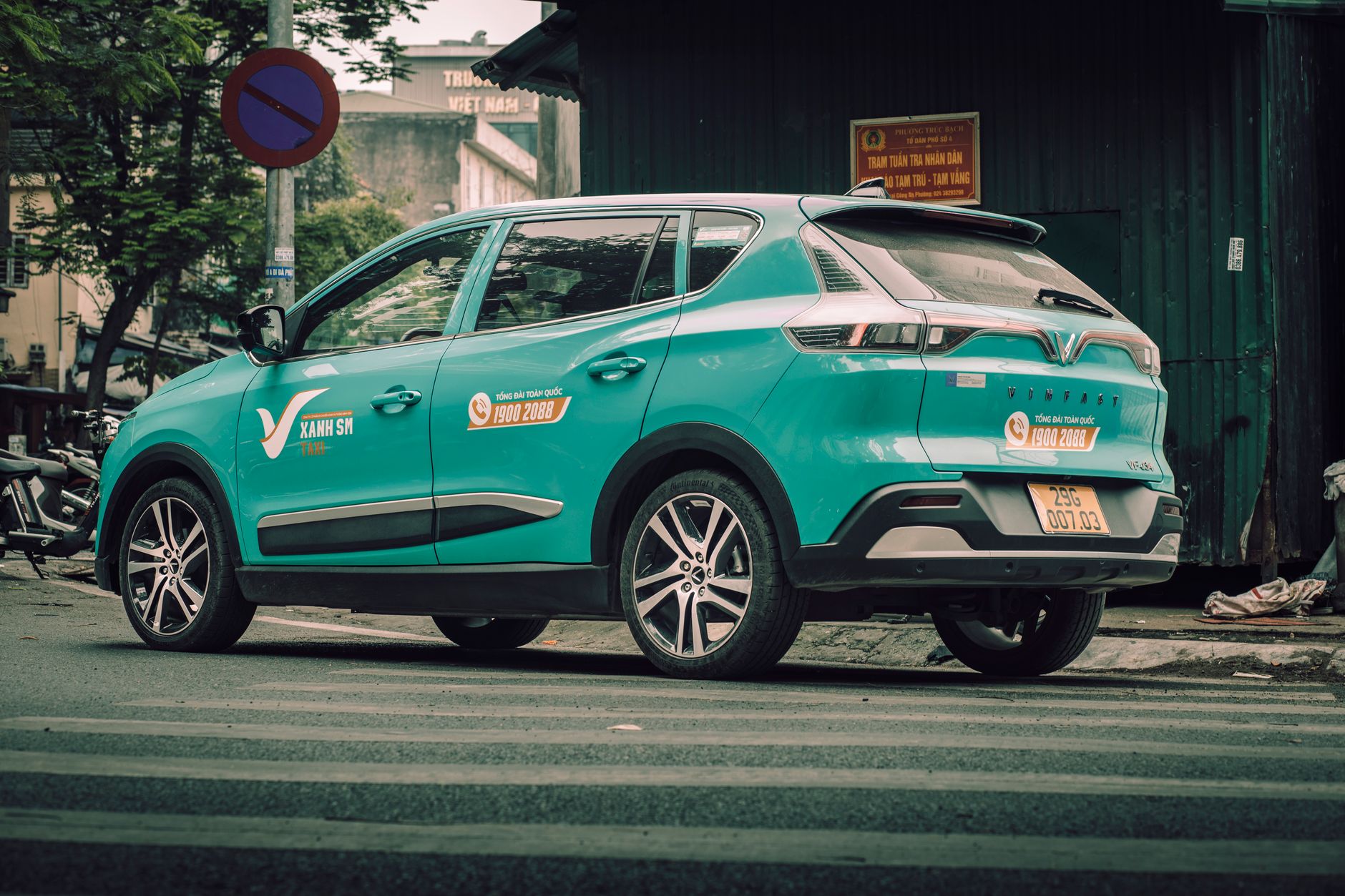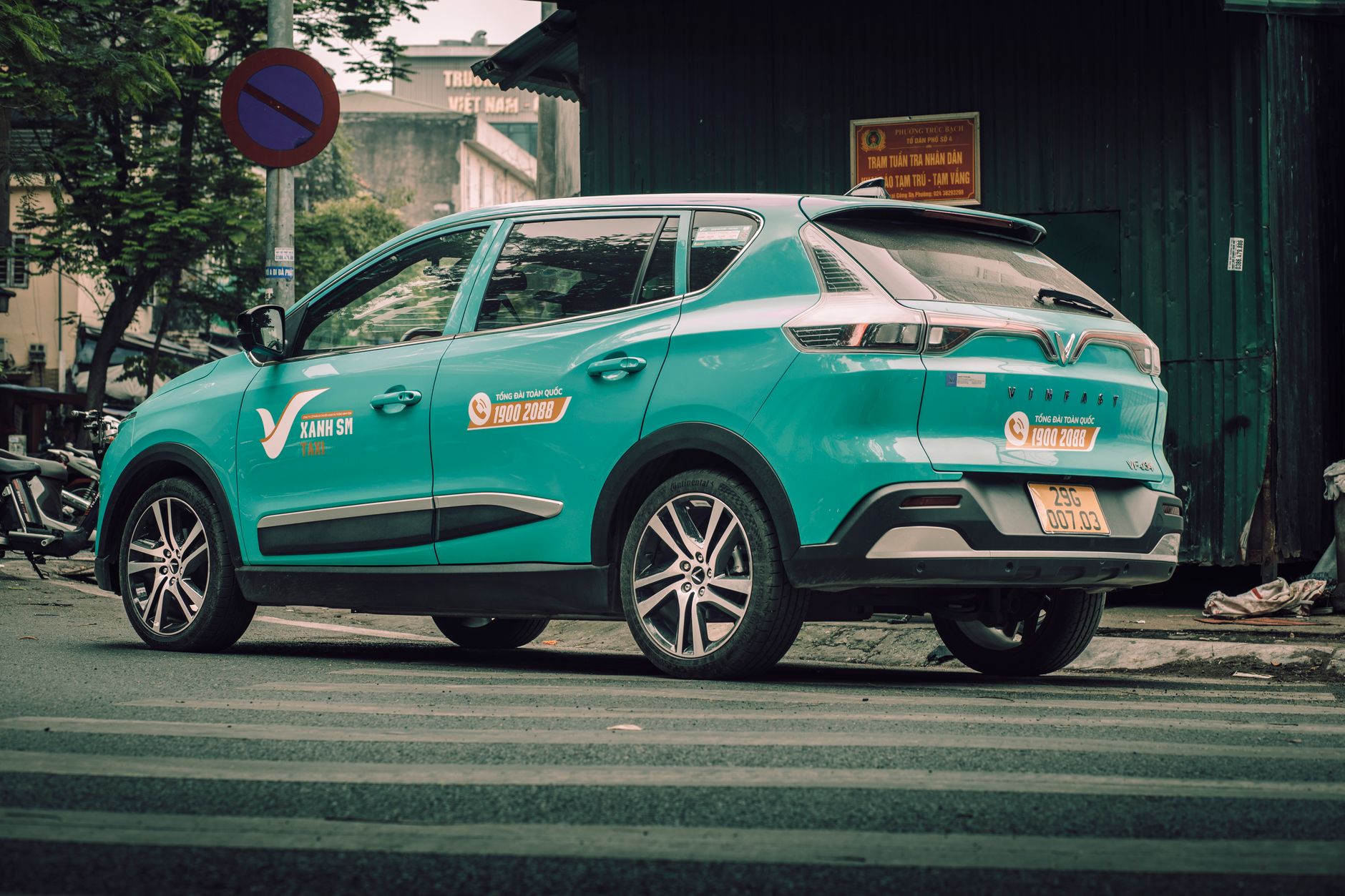
Tata Mahindra Electric SUVs are making headlines with their upcoming launch in 2027. The Avinya and BE07 models promise to revolutionize the electric vehicle market.
Overview of Tata and Mahindra’s Electric Plans
Tata and Mahindra are set to revolutionize the electric vehicle landscape with their upcoming electric SUVs, aimed at making a significant impact in 2027. Both companies have announced ambitious plans that showcase their commitment to sustainability and innovation in the automotive sector.
Tata Motors is gearing up to launch the Avinya, an electric SUV that promises to blend cutting-edge technology with modern design. This vehicle will be part of Tata’s vision to expand its electric vehicle portfolio, offering consumers a stylish yet efficient option for urban mobility.
On the other hand, Mahindra is introducing the BE07, another exciting addition to the electric SUV market. This model is expected to feature advanced battery technology and high-performance capabilities, catering to the growing demand for electric vehicles in India and beyond.
With both Tata and Mahindra focusing on electric SUVs, the automotive industry is poised for a shift towards greener alternatives. The upcoming launches highlight a significant collaboration between the two giants, aiming to offer a diverse range of electric vehicles that cater to different consumer needs and preferences.
As 2027 approaches, the excitement around Tata Mahindra Electric SUVs continues to build, promising a future filled with innovation and eco-friendly options.
What to Expect from Avinya and BE07
As the automotive industry shifts towards sustainability, Tata Mahindra Electric SUVs are set to make a significant impact in 2027. Two highly anticipated models, the Avinya and BE07, promise to redefine the electric vehicle landscape.
The Avinya is expected to showcase cutting-edge technology and innovative design. With a focus on sustainability, Tata aims to integrate eco-friendly materials while ensuring the vehicle remains stylish and functional. The Avinya will likely feature advanced battery technology, offering extended range and faster charging capabilities, appealing to environmentally conscious consumers.
On the other hand, the BE07 from Mahindra is anticipated to target family-oriented buyers. This model is expected to provide ample space and comfort, making it ideal for long journeys. With an emphasis on safety and connectivity, the BE07 is likely to incorporate the latest in driver-assistance systems and infotainment features, ensuring a modern driving experience.
Both models are set to highlight Tata and Mahindra’s commitment to electric mobility, positioning them as leaders in the growing market for electric SUVs. As anticipation builds, consumers are eager to see how these vehicles will reshape their driving experiences in the coming years.
The Rise of Electric SUVs in India
The Indian automotive market is witnessing a significant transformation with the rise of electric SUVs, particularly from major players like Tata and Mahindra. As the country pushes towards sustainability and reduced carbon emissions, these manufacturers are stepping up their efforts to provide innovative electric vehicles that cater to the growing consumer demand.
As a result, the launch of Tata Mahindra Electric SUVs in 2027 is highly anticipated. These vehicles are not just about zero emissions; they also promise advanced technology and modern features that appeal to a wide range of customers.
The increasing popularity of electric SUVs can be attributed to several factors:
- Government Initiatives: Policies promoting electric vehicles are becoming more favorable, with incentives for both manufacturers and consumers.
- Infrastructure Development: The expansion of charging infrastructure across urban and rural areas is making electric vehicles more feasible for daily use.
- Consumer Awareness: There is a growing awareness of environmental issues, encouraging consumers to opt for eco-friendly options.
With Tata and Mahindra leading the charge, the landscape of electric SUVs in India is poised for remarkable growth in the coming years.
Comparing Tata and Mahindra Electric Models
The electric vehicle market in India is set to witness significant competition between Tata and Mahindra, particularly with their upcoming electric SUVs scheduled for launch in 2027. Both companies have established themselves as key players in the electric vehicle segment, but they cater to different consumer preferences and needs.
Tata’s electric SUVs are designed with a focus on innovation, featuring advanced technology and sustainable practices. The much-anticipated Avinya, for instance, promises a blend of futuristic design and cutting-edge performance. Tata’s emphasis on safety and durability positions it as a favorite among families looking for reliable electric options.
On the other hand, Mahindra’s offerings aim to deliver ruggedness and off-road capabilities. The upcoming BE07 model is expected to attract adventure enthusiasts, offering a tough build and enhanced driving dynamics. Mahindra’s strategy focuses on appealing to consumers who desire versatility in their electric SUVs.
As both brands gear up for their electric launches, potential buyers will benefit from a diverse range of features and specifications. Ultimately, the competition between Tata Mahindra Electric SUVs will drive innovation and affordability in the Indian market.
Market Trends for Electric Vehicles in 2027
The market for electric vehicles, particularly electric SUVs, is set to experience significant growth in 2027, driven by increasing consumer demand and government policies promoting sustainable transportation. As more consumers transition to electric vehicles, Tata Mahindra Electric SUVs are expected to play a crucial role in this shift.
Key trends influencing the electric vehicle market include:
- Advancements in Battery Technology: Improved battery efficiency and reduced charging times will enhance the practicality of electric SUVs.
- Government Incentives: Continued subsidies and incentives for electric vehicle buyers will encourage adoption, making Tata Mahindra Electric SUVs more accessible.
- Infrastructure Development: Expansion of charging infrastructure will alleviate range anxiety, boosting consumer confidence in electric SUVs.
- Environmental Awareness: As consumers become more environmentally conscious, the demand for electric SUVs will rise, with Tata and Mahindra positioned to meet this need.
Furthermore, the competitive landscape will see Tata and Mahindra continuously innovating, enhancing features, and providing greater value, ensuring their electric SUVs remain appealing. With the groundwork being laid today, 2027 promises to be a pivotal year for Tata Mahindra Electric SUVs in the Indian automotive market.
Consumer Expectations for New Electric SUVs
As we look ahead to 2027, consumer expectations for Tata Mahindra Electric SUVs are rising sharply. With the growing emphasis on sustainability and advanced technology, buyers are increasingly seeking vehicles that not only meet their transportation needs but also align with their environmental values.
Key expectations among consumers include:
- Enhanced Range: Potential buyers are looking for electric SUVs that offer a longer driving range, reducing range anxiety and making long-distance travel more feasible.
- Advanced Technology: Features such as autonomous driving, smart connectivity, and cutting-edge infotainment systems are becoming essential in consumer considerations.
- Affordability: While consumers are eager to embrace electric vehicles, there remains a strong desire for competitive pricing that makes electric SUVs accessible to a wider audience.
- Sustainability: Eco-conscious consumers expect Tata Mahindra to prioritize sustainable materials and production processes in their electric SUVs.
As Tata and Mahindra prepare to launch their electric SUVs, addressing these expectations will be crucial in capturing the attention of a market that is becoming increasingly discerning about the vehicles they choose.
Conclusion: The Future of Electric Mobility
As we look ahead to 2027, the landscape of electric mobility is set to transform significantly, particularly with the anticipated launches of Tata Mahindra Electric SUVs. Both automotive giants are poised to lead the charge in this evolving market, catering to an increasing demand for sustainable and technologically advanced vehicles.
Their commitment to innovation and sustainability will not only enhance their market share but also contribute to a greener future. With the introduction of models like the Avinya and BE07, consumers can expect cutting-edge features that prioritize efficiency and performance.
Furthermore, the collaboration between Tata and Mahindra signifies a strong push towards electric vehicles, which will likely redefine consumer expectations. As more players enter the electric SUV segment, competition will drive improvements in technology and pricing, making electric vehicles more accessible to a wider audience.
In conclusion, the future of electric mobility looks promising with the upcoming Tata Mahindra Electric SUVs. The confluence of consumer demand, technological advancements, and governmental support for electric vehicles will pave the way for a robust and sustainable automotive ecosystem in India.
As the automotive industry shifts towards sustainability, Tata Mahindra Electric SUVs are set to lead the charge with innovative designs and advanced technology. The anticipation surrounding Tata Mahindra Electric SUVs is building, especially with their promise of enhanced performance and eco-friendliness.