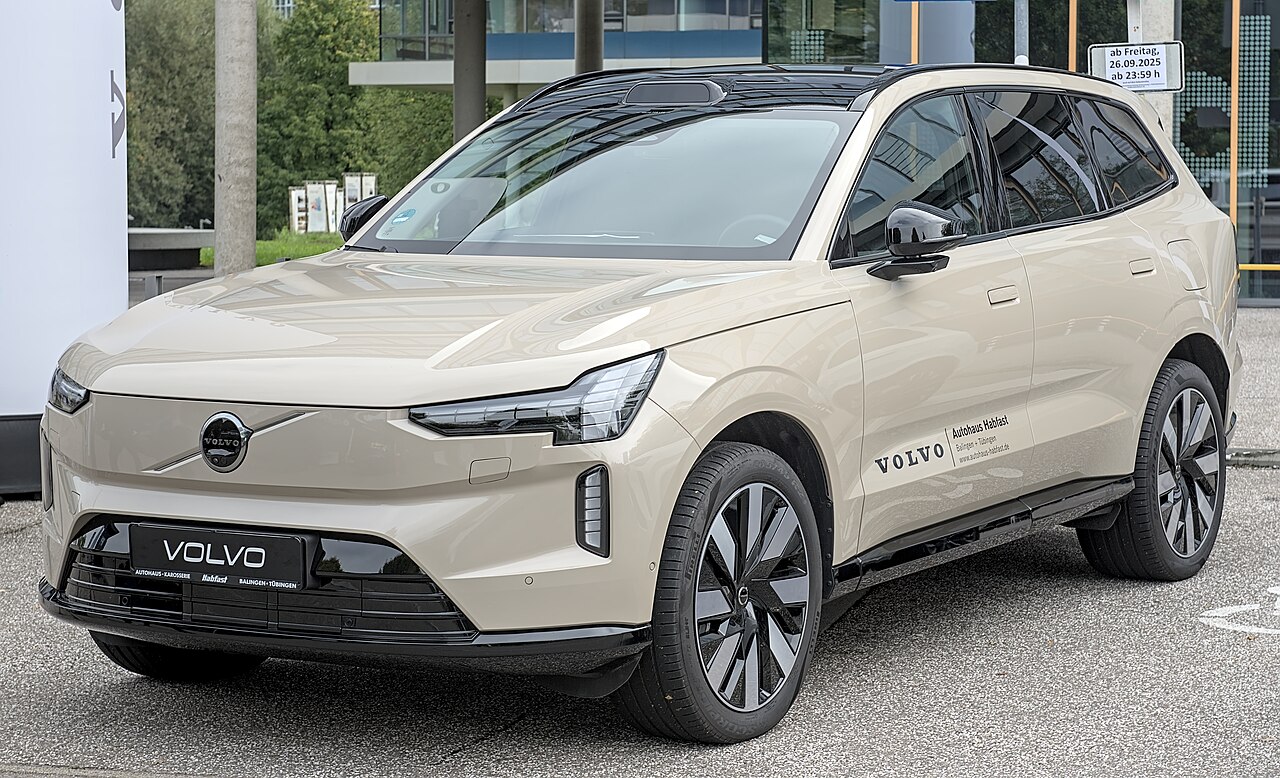

Bidirectional charging is now available in Germany, marking a significant advancement in electric vehicle technology. Mercedes-Benz has taken the lead with this innovative feature, enabling EV owners to utilize their vehicles as energy sources.
What is Bidirectional Charging?
Bidirectional charging is an innovative technology that allows electric vehicles (EVs) to not only draw electricity from the grid but also send excess energy back to it. This capability transforms EVs into valuable components of the energy ecosystem, enabling them to operate as mobile energy storage units. With the rise of renewable energy sources, bidirectional charging has gained significant attention as a smart solution to enhance energy management.
In practice, this means that when an EV is parked and plugged in, it can supply power to a home or business, effectively acting as a backup generator during peak demand or outages. The technology also supports vehicle-to-grid (V2G) systems, where electric vehicles interact directly with the power grid to balance supply and demand.
The implementation of bidirectional charging is becoming more common, with companies like Mercedes-Benz leading initiatives in various markets. As infrastructure develops and more EVs become equipped with this feature, the potential benefits for consumers and the environment will expand significantly.
- Energy savings: Reduces electricity costs by utilizing stored energy.
- Grid stability: Helps balance supply and demand during peak times.
- Environmental impact: Supports renewable energy usage and reduces emissions.
Benefits of Bidirectional Charging for EV Owners
Bidirectional charging offers numerous advantages for electric vehicle (EV) owners, enhancing both convenience and efficiency. One of the primary benefits is the ability to use the vehicle’s battery as a power source for homes or devices, allowing users to charge their appliances during outages or peak energy times. This feature can lead to significant cost savings on electricity bills.
Additionally, bidirectional charging promotes sustainability by enabling EV owners to feed energy back into the grid. This not only helps stabilize the energy supply but also allows users to earn money by selling excess power during high-demand periods.
Another advantage is the enhanced battery management system, which optimizes the charging and discharging cycles. This helps extend the lifespan of the vehicle’s battery, ensuring that owners get the most value from their investment.
Moreover, with the increase in renewable energy sources, bidirectional charging becomes a smart solution for utilizing solar or wind energy. EV owners can store energy generated from these sources and use it when needed, creating a more self-sufficient energy ecosystem.
In summary, bidirectional charging is a transformative technology that empowers EV owners with greater flexibility, financial benefits, and a commitment to sustainability.
How Mercedes-Benz is Pioneering This Technology
Mercedes-Benz is at the forefront of bidirectional charging technology, recently launching its innovative system in Germany. This development marks a significant step towards integrating electric vehicles (EVs) into the energy ecosystem, allowing vehicles to not only draw power from the grid but also supply energy back.
The company’s new system enables EV owners to use their vehicles as mobile energy sources, which can help stabilize the grid during peak demand periods. This capability not only enhances energy efficiency but also provides financial incentives for users who can sell excess energy back to the grid.
Key features of Mercedes-Benz’s bidirectional charging include:
- Smart Energy Management: The system intelligently manages energy flow, ensuring optimal usage.
- Enhanced Vehicle-to-Grid Connectivity: This allows seamless interaction between EVs and the energy grid.
- Home Energy Supply: EV owners can power their homes during outages or high energy costs.
As Mercedes-Benz leads the charge in bidirectional charging, the implications for sustainable energy use and the future of transportation are profound, making EVs more than just a mode of transport.
The Future of Electric Vehicle Charging
The landscape of electric vehicle (EV) charging is rapidly evolving, with bidirectional charging emerging as a key player in shaping the future. This innovative technology allows electric vehicles to not only draw energy from the grid but also to return energy back, transforming EVs into mobile power sources.
As more automakers and technology firms invest in this capability, the potential for bidirectional charging extends beyond personal convenience. It paves the way for a more sustainable energy ecosystem, where EVs can support grid stability during peak demand times.
Experts predict that this shift will significantly reduce reliance on fossil fuels and enhance the integration of renewable energy sources, such as solar and wind. Furthermore, bidirectional charging could enable homeowners with EVs to manage their energy consumption more efficiently, providing backup power during outages and lowering electricity bills.
With significant advancements being made in infrastructure and technology, the future of electric vehicle charging looks promising. Consumers are likely to see greater adoption of bidirectional charging solutions, making EVs not just a mode of transport, but a vital component of a smarter, greener energy future.
Consumer Reactions to Bidirectional Charging
As bidirectional charging technology gains traction, consumers are expressing a mix of excitement and curiosity about its potential impact on electric vehicle (EV) ownership. Many EV owners see bidirectional charging as a game-changer, offering greater flexibility and efficiency in energy management.
According to recent surveys, a significant percentage of EV users are enthusiastic about the idea of using their vehicles as mobile power sources. This capability allows them to not only charge their cars but also to discharge energy back into their homes or even the grid during peak demand times.
Some key consumer reactions include:
- Increased Awareness: Many drivers are becoming more knowledgeable about the benefits of bidirectional charging, especially regarding cost savings and sustainability.
- Desire for Integration: Consumers are interested in how this technology could work with existing home energy systems, such as solar panels and battery storage.
- Concerns about Implementation: Some potential users express hesitance, citing questions about the reliability of the technology and the availability of compatible EV models.
Overall, the response to bidirectional charging indicates a growing acceptance of innovative solutions in the EV landscape.
via Wikimedia Commons