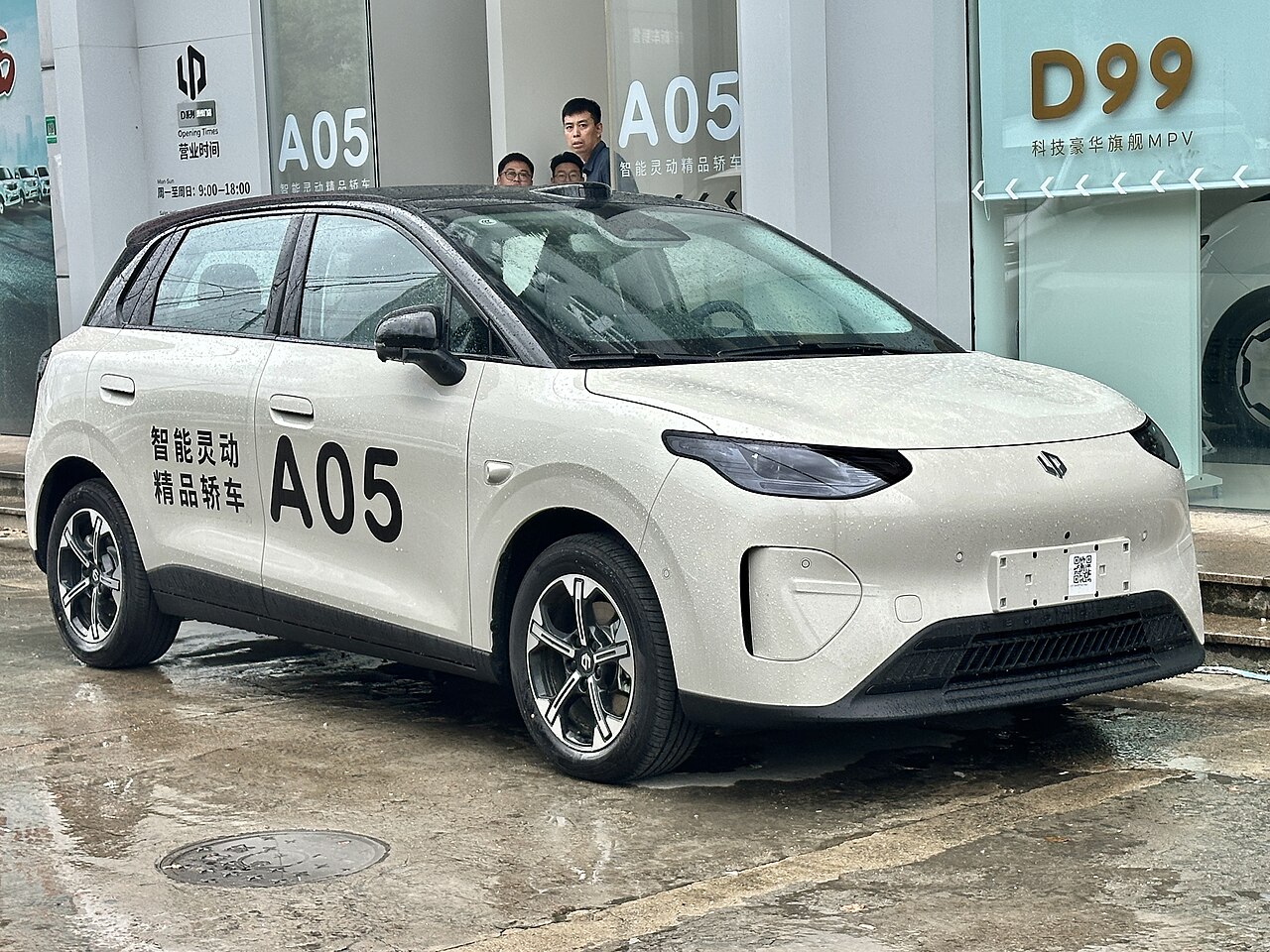
Chery hybrid vehicle Japan plans to enter the market, despite existing trade barriers. This strategic move highlights Chery’s ambition to expand its global footprint.
Overview of Chery’s Hybrid Strategy
Chery, a prominent Chinese automotive manufacturer, is strategically positioning itself to enter the Japanese market with its innovative hybrid vehicles. This move comes at a crucial time as trade barriers present challenges for many foreign automakers in Japan. By focusing on hybrid technology, Chery aims to appeal to environmentally conscious consumers while navigating these restrictions.
The company has been investing heavily in research and development to enhance its hybrid vehicle offerings, ensuring they meet rigorous Japanese standards. Chery’s hybrid vehicles are designed to combine efficiency with performance, providing a compelling alternative in a market that increasingly prioritizes sustainable transportation.
As part of its strategy, Chery plans to leverage its existing partnerships and explore new collaborations within Japan. This approach not only facilitates smoother entry into the market but also helps Chery to understand local consumer preferences better. The launch is anticipated to include a variety of models, catering to different segments of the market.
- Focus on innovation: Chery’s commitment to hybrid technology.
- Market entry strategy: Collaborations with local firms.
- Consumer appeal: Meeting the demand for sustainable vehicles.
Challenges in the Japanese Market
The Japanese automotive market presents several challenges for foreign manufacturers, including China’s Chery hybrid vehicle Japan aspirations. These hurdles stem from stringent regulations, local consumer preferences, and established competition from domestic brands.
Firstly, Japan has a robust set of regulations that govern emissions and fuel efficiency. Foreign companies must navigate these complex requirements to ensure compliance, which can lead to increased costs and extended timelines for product launches.
Secondly, Japanese consumers tend to prefer vehicles that embody local craftsmanship and quality. This cultural inclination can pose a significant challenge for brands like Chery, which must work hard to establish trust and brand recognition in a market dominated by well-known local players.
Furthermore, trade barriers stemming from fluctuating tariffs and geopolitical tensions add another layer of complexity. These factors can influence pricing strategies and overall market entry plans for Chery hybrid vehicles in Japan.
Despite these challenges, Chery’s commitment to innovation and sustainability could resonate with environmentally conscious consumers, making their hybrid offerings potentially appealing in a competitive landscape.
Impact of Trade Barriers on Automakers
The automotive industry is facing significant challenges due to increasing trade barriers, particularly for foreign manufacturers looking to enter new markets. In Japan, the complexities of these barriers have profound implications for automakers like Chery. As Chery prepares to launch its hybrid vehicle in Japan, the company must navigate a landscape filled with tariffs, stringent regulations, and competition from established local brands.
Trade barriers can impact pricing strategies, supply chain logistics, and overall market entry timing. For Chery, a successful entry with its hybrid vehicle hinges on understanding and adapting to these challenges. Key considerations include:
- Regulatory Compliance: Meeting Japan’s safety and environmental regulations is essential for market acceptance.
- Pricing Strategies: Competitive pricing is crucial to attract Japanese consumers who are loyal to domestic brands.
- Supply Chain Adaptability: Efficient logistics are necessary to mitigate the effects of tariffs on production costs.
Amidst these challenges, Chery’s commitment to offering a hybrid vehicle tailored to Japanese preferences could signify a smart move in an increasingly competitive market. By addressing trade barriers head-on, Chery aims to carve out a niche for itself in Japan’s automotive sector.
Consumer Interest in Hybrid Vehicles
As the automotive industry evolves, consumer interest in hybrid vehicles has surged, particularly in markets like Japan. The growing concern for environmental sustainability and fuel efficiency drives Japanese consumers to seek alternatives to traditional gasoline-powered cars. Chery’s entry into this market with its hybrid vehicle lineup is poised to capture attention amidst the current trade challenges.
Recent surveys indicate that a significant percentage of Japanese consumers are considering hybrid vehicles as their next purchase. This shift is fueled by various factors:
- Environmental Awareness: Many consumers are now more conscious of their carbon footprint and are choosing greener options.
- Fuel Economy: Rising fuel prices have led buyers to prioritize vehicles that offer better mileage.
- Government Incentives: The Japanese government supports hybrid vehicle adoption through tax breaks and subsidies.
Chery’s hybrid vehicle Japan strategy aligns with these consumer trends, presenting an opportunity to tap into a growing market segment. With innovative technology and attractive pricing, Chery aims to establish a foothold in Japan, providing consumers with more choices in the hybrid vehicle landscape.
Chery’s Competitors in Japan
As Chery prepares to launch its hybrid vehicle in Japan, it faces significant competition from established automotive brands already dominating the market. The Japanese automotive landscape is characterized by a strong preference for domestic manufacturers, with companies such as Toyota, Honda, and Nissan leading the way in hybrid technology.
These competitors have a well-established reputation for reliability and innovation, making it challenging for newcomers like Chery to gain a foothold. The following are some key players in the hybrid vehicle sector:
- Toyota: A pioneer in hybrid technology, Toyota’s Prius remains synonymous with fuel efficiency.
- Honda: The Honda Insight and Clarity models have also gained traction among environmentally conscious consumers.
- Nissan: Known for its Leaf electric vehicle, Nissan is expanding its hybrid offerings to attract a broader audience.
Despite the challenges posed by these competitors, Chery’s entry into the hybrid vehicle market in Japan represents a strategic move. By leveraging its expertise in hybrid technology and adapting to local consumer preferences, Chery aims to carve out its niche in this competitive environment.
Future Trends in Hybrid Technology
The future of hybrid technology is poised for significant advancements, particularly as companies like Chery navigate the complexities of the Japanese automotive market. With increasing consumer demand for environmentally friendly vehicles, hybrid technology is becoming a focal point for manufacturers aiming to reduce emissions while maintaining performance.
Chery’s hybrid vehicle Japan initiative reflects a strategic alignment with the global shift towards sustainability. As automakers invest in research and development, several trends are emerging:
- Improved Battery Efficiency: Enhancements in battery technology are leading to longer ranges and shorter charging times, making hybrid vehicles more appealing to Japanese consumers.
- Integration of Smart Technology: Features such as adaptive cruise control and advanced driver-assistance systems are becoming standard, enhancing the driving experience.
- Government Incentives: Japan’s commitment to reducing carbon emissions has resulted in various incentives for hybrid vehicle buyers, further stimulating market interest.
- Collaboration with Tech Companies: Partnerships between automakers and technology firms are fostering innovative solutions in hybrid technology, positioning brands like Chery competitively.
As the automotive landscape evolves, Chery’s hybrid vehicle Japan launch could set a precedent for future developments in the sector.
Chery’s Commitment to Sustainability
Chery has underscored its commitment to sustainability by prioritizing the development of hybrid vehicles, particularly in the context of its planned launch in Japan. As the automotive industry shifts towards greener alternatives, Chery’s hybrid vehicle strategy reflects a growing awareness of environmental concerns and consumer preferences.
The company aims to reduce its carbon footprint while offering more efficient transportation options. By investing in hybrid technology, Chery is not only responding to the demands of eco-conscious consumers but also aligning with global trends towards sustainability. This strategic move is crucial, especially as Japan has one of the highest rates of hybrid vehicle adoption in the world.
Chery’s hybrid vehicles are designed to appeal to a broad audience, featuring advanced technology and competitive pricing. Key features of these vehicles include:
- Enhanced fuel efficiency
- Reduced emissions
- Innovative design
- Smart connectivity options
By focusing on these aspects, Chery is positioning itself as a viable contender in the Japanese market, ensuring that its hybrid vehicle offerings meet the expectations of local consumers while promoting sustainable practices.
The Chery hybrid vehicle Japan market strategy reflects a keen understanding of consumer preferences for eco-friendly options. By introducing the Chery hybrid vehicle Japan, the company aims to navigate trade barriers while appealing to environmentally conscious drivers.