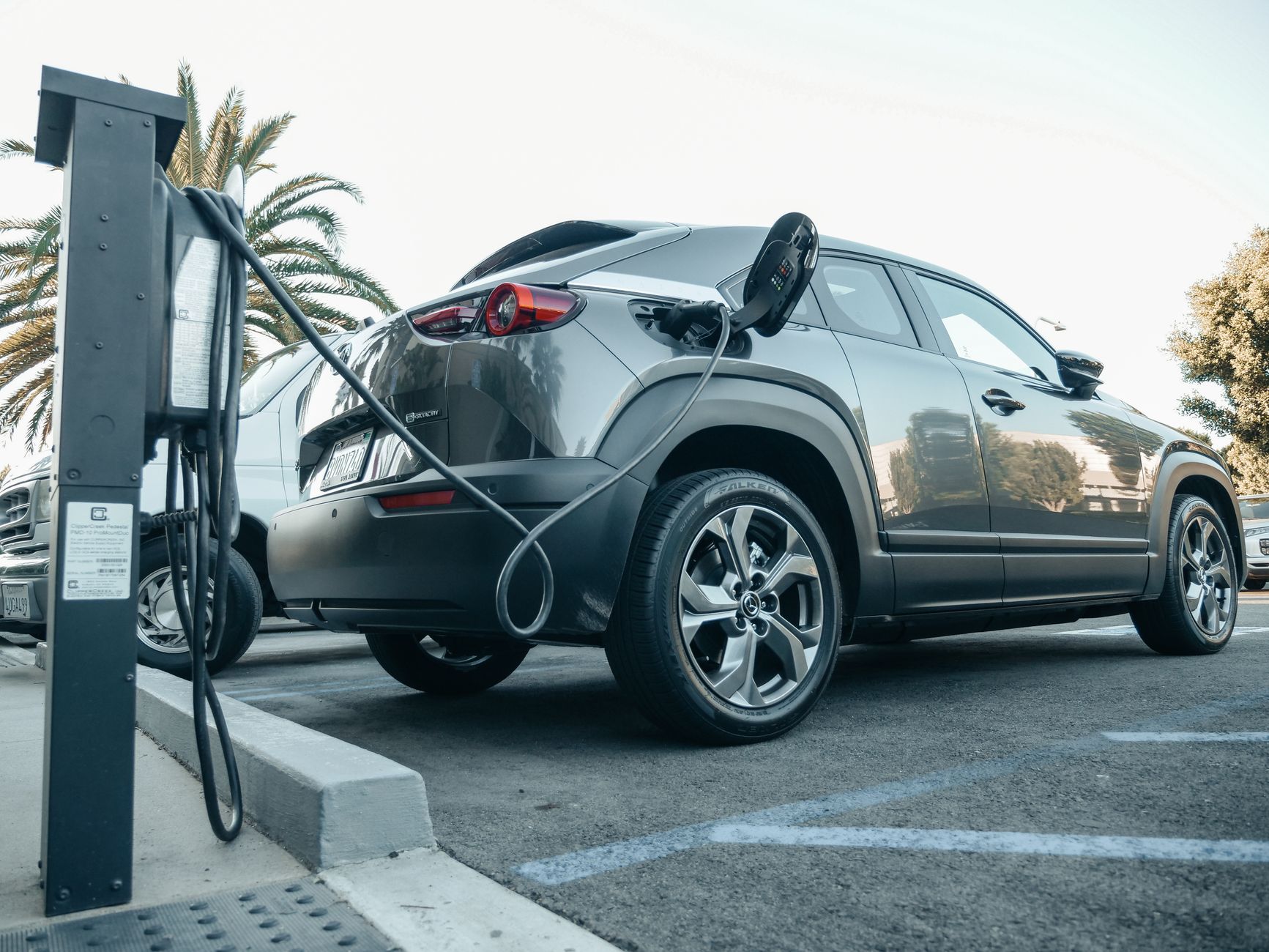
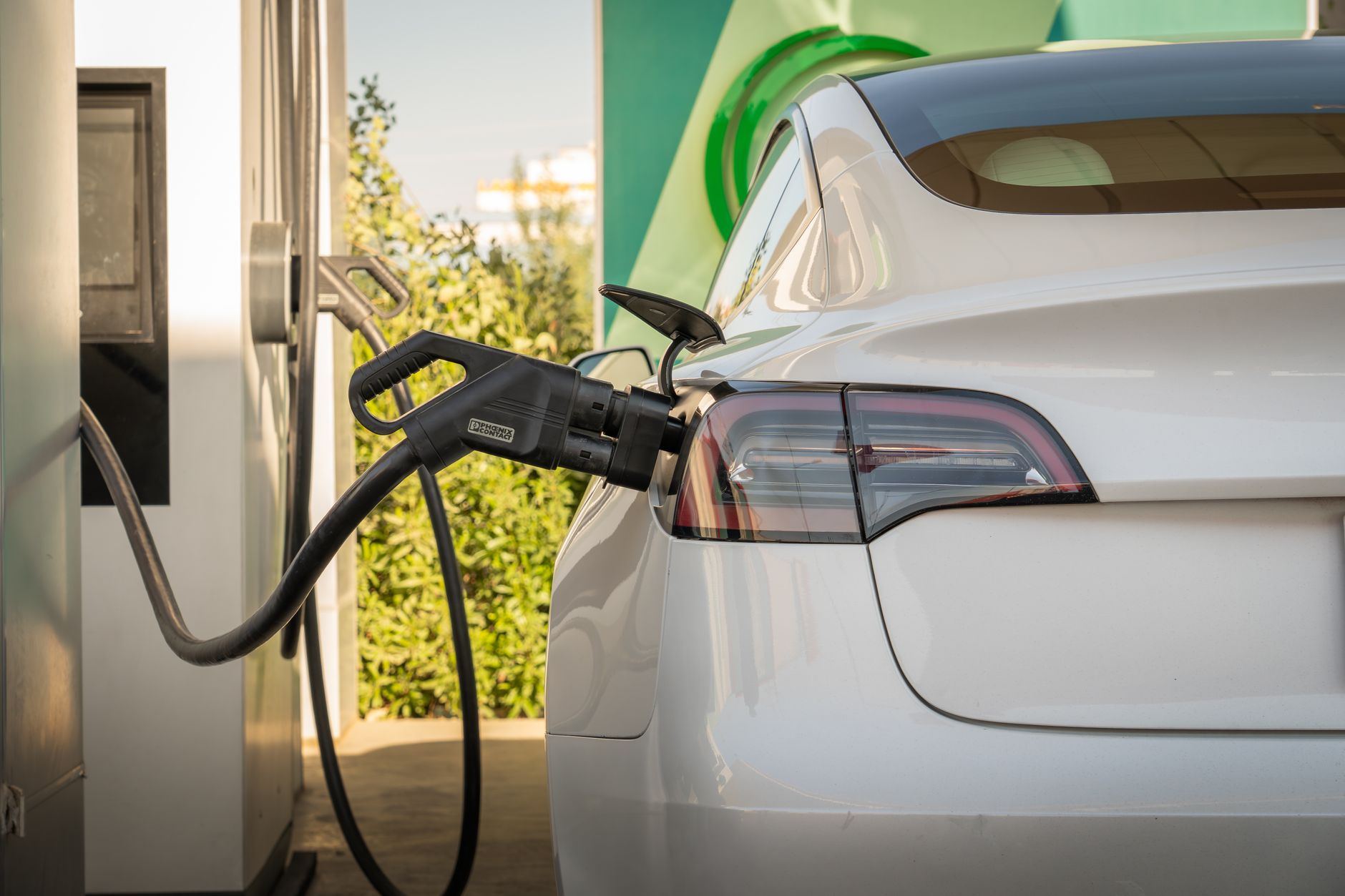
EV investments 2026 are crucial for the future of electric vehicles. Major companies like Toyota and BYD are making significant moves in the industry, signaling a strong shift towards sustainable transportation.
Overview of EV Investments in 2026
The electric vehicle (EV) market is poised for unprecedented growth by 2026, driven by substantial investments from leading automotive manufacturers and battery producers. As governments and consumers increasingly prioritize sustainability, the demand for EVs is expected to surge. Major players are making significant commitments to enhance production capabilities and expand their market presence.
One of the most notable developments is Toyota’s announcement of a $13.9 billion battery plant, which aims to bolster the company’s position in the EV segment. This investment will not only increase battery production but also improve the efficiency and performance of their electric models.
Additionally, CATL, a leading battery manufacturer, is set to ramp up its production capacity to 772 GWh, ensuring a robust supply of batteries for various automakers. This expansion is essential for meeting the growing market demand as more consumers transition to electric vehicles.
Furthermore, BYD is undertaking a global expansion strategy, which includes entering new markets and enhancing its manufacturing capabilities. With these developments, the landscape for EV investments in 2026 is becoming increasingly competitive, presenting numerous opportunities for investors looking to capitalize on the electric vehicle revolution.
Toyota’s $13.9 Billion Battery Plant
Toyota is making a significant move in the electric vehicle (EV) market with its announcement of a $13.9 billion investment in a new battery plant. This facility is expected to play a crucial role in supporting the company’s ambitious plans for EV investments in 2026 and beyond.
The battery plant, strategically located in North America, aims to enhance Toyota’s production capabilities and meet the growing demand for electric vehicles. This investment aligns with the global shift towards sustainable transportation and illustrates Toyota’s commitment to becoming a key player in the EV sector.
Several key features of this investment include:
- Increased Production Capacity: The plant is designed to significantly boost battery output, allowing Toyota to supply its expanding line of electric models.
- Job Creation: The investment is expected to create thousands of jobs in the region, contributing to local economies.
- Focus on Sustainability: The facility will incorporate advanced technologies to ensure environmentally friendly production processes.
As the EV market continues to evolve, Toyota’s $13.9 billion battery plant positions the company for a competitive edge, making it one of the top opportunities for EV investments in 2026.
CATL’s 772 GWh Capacity Expansion
Contemporary Amperex Technology Co. Limited (CATL) is making headlines in the EV sector with its ambitious plan to expand its battery production capacity by 772 GWh by 2026. This massive investment not only reflects the growing demand for electric vehicles but also positions CATL as a key player in the global battery market.
As the world moves towards electrification, the demand for efficient and powerful batteries is surging. CATL’s expansion will enable it to meet the needs of major automakers looking to ramp up EV production. The company has already secured partnerships with several leading automobile manufacturers, ensuring that their batteries will be at the forefront of the EV revolution.
Key highlights of CATL’s expansion include:
- Strategic Partnerships: Collaborations with global automakers to enhance battery technology.
- Sustainability Initiatives: Focus on eco-friendly production methods to reduce environmental impact.
- Technological Advancements: Investment in research and development to improve battery efficiency and longevity.
With these developments, CATL is poised to play a significant role in the EV investments landscape of 2026, making it an attractive opportunity for investors looking to capitalize on the burgeoning electric vehicle market.
BYD’s Global Market Strategy
As the electric vehicle (EV) market continues to expand, BYD is strategically positioning itself for significant growth in 2026. The company has laid out an ambitious plan to enhance its global market presence, focusing on both production capabilities and international partnerships.
- Production Expansion: BYD is increasing its manufacturing capacity, aiming to meet the rising demand for electric vehicles worldwide. This includes investments in new factories and advanced technologies that streamline production processes.
- International Partnerships: To strengthen its global reach, BYD is exploring collaborations with local automakers and technology firms. These partnerships are designed to facilitate entry into new markets and enhance brand recognition.
- R&D Investments: With a commitment to innovation, BYD is allocating substantial resources to research and development. This focus on R&D aims to improve battery efficiency and vehicle performance, crucial factors for success in the competitive EV landscape.
Experts believe that BYD’s robust global market strategy will position the company favorably among leading EV manufacturers by 2026. As the industry evolves, the focus on strategic EV investments will play a critical role in shaping the future of transportation and energy consumption.
Implications for the Future of EVs
The implications for the future of electric vehicles (EVs) are profound as major companies ramp up their investments. With EV investments in 2026 projected to reach unprecedented levels, the automotive landscape is set for a significant transformation. Companies like Toyota, CATL, and BYD are not only expanding their production capabilities but are also setting the stage for innovation in battery technology and global market penetration.
One of the key implications is the acceleration of EV adoption among consumers. As battery costs decrease and efficiencies increase, electric vehicles are becoming more accessible and appealing to a broader audience. The influx of investment will likely lead to:
- Enhanced battery technology: Innovations in battery chemistry could lead to longer ranges and shorter charging times.
- Improved infrastructure: Increased investment in charging stations will alleviate range anxiety for potential EV buyers.
- Job creation: The expansion of manufacturing facilities and supply chains will contribute to economic growth and employment opportunities.
- Environmental benefits: As more consumers transition to EVs, the reduction in fossil fuel reliance will have a positive impact on global emissions.
Overall, the rise in EV investments in 2026 heralds a promising future for sustainable transportation.
As the demand for electric vehicles continues to surge, EV investments 2026 are poised to offer significant returns for savvy investors. Key technologies and infrastructure developments will play a crucial role in shaping the landscape of EV investments 2026.
Photo by 04iraq on Pexels
References
Related stories
Mahindra Thar OG features: What makes it the best choice? · Honda CB500 Pricing: The Best Guide to New Prices · Honda QC3 launch: The Best Electric Vehicle with 145 Km Range