Maruti Suzuki price hike will affect car prices starting from November 22. This marks the fourth increase in 2026, raising concerns among potential buyers.
Understanding the Maruti Suzuki Price Hike
In a significant move that has left car buyers concerned, Maruti Suzuki has announced its fourth price hike of 2026. This development is set to take effect from November 22, making vehicles more expensive for prospective buyers. The price hike comes as a response to various factors affecting the automotive industry, including rising input costs and inflationary pressures.
Understanding the Maruti Suzuki price hike requires a closer look at the implications for consumers. The company, known for its wide range of affordable and reliable vehicles, has been a popular choice among car buyers in India. However, the recent trend of continuous price increases could deter potential customers from making a purchase.
Key factors contributing to the price hike include:
- Increased Manufacturing Costs: Rising costs of raw materials have placed significant pressure on manufacturers.
- Regulatory Changes: New environmental regulations may require additional investment in technology.
- Market Competition: The competitive landscape may also influence pricing strategies.
As Maruti Suzuki implements this price hike, consumers must weigh their options carefully before making a decision.
Impact on Car Buyers in 2026
The recent announcement of a Maruti Suzuki price hike has left many car buyers feeling concerned about their purchasing power in 2026. With the company’s fourth price increase set to take effect from November 22, potential customers are bracing for a significant financial impact.
As the cost of Maruti Suzuki vehicles rises, buyers may need to reassess their budgets and financing options. This price hike is particularly troubling for first-time car buyers and those looking to upgrade their vehicles. Many may find themselves unable to afford their desired models, leading to a decline in sales for the manufacturer.
In response to the impending price changes, some consumers are considering alternative brands or delaying their purchases. The ripple effect of this price hike could extend beyond individual buyers, affecting the overall automotive market.
- Increased Budgeting: Car buyers may need to allocate more funds for a purchase.
- Shift in Preferences: Some may look at used cars or other brands.
- Market Effects: A potential drop in Maruti Suzuki sales could impact dealership revenues.
Ultimately, the Maruti Suzuki price hike poses challenges for many, altering the landscape for car buyers in 2026.
Reasons Behind the Price Increase
The recent announcement by Maruti Suzuki regarding a price hike has left many car buyers concerned about their future purchases. Several factors are contributing to this increase, making it a challenging time for consumers looking to buy a car.
Firstly, the rise in raw material costs has significantly impacted manufacturing expenses. The automotive industry is facing escalating prices for essential components, which directly affects the overall cost of vehicles.
Secondly, stringent government regulations aimed at reducing emissions have led to the need for advanced technology and innovative features in cars. While these enhancements are beneficial for the environment, they also come at a higher production cost.
Additionally, the ongoing supply chain disruptions caused by global events have resulted in limited availability of certain parts, thereby increasing costs. As Maruti Suzuki navigates these challenges, they have no choice but to adjust their prices.
Finally, the growing demand for personal vehicles post-pandemic has allowed manufacturers to implement price hikes without losing significant customer interest. As a result, the Maruti Suzuki price hike may be just the beginning of a broader trend in the automotive market.
Comparing Prices of Maruti Models
The recent announcement regarding the Maruti Suzuki price hike has left many potential car buyers concerned about their budgets. As the company implements its fourth price increase in 2026, a comparison of various models reveals significant changes in costs that could influence purchasing decisions.
Here are some examples of how the prices of different Maruti Suzuki models have changed:
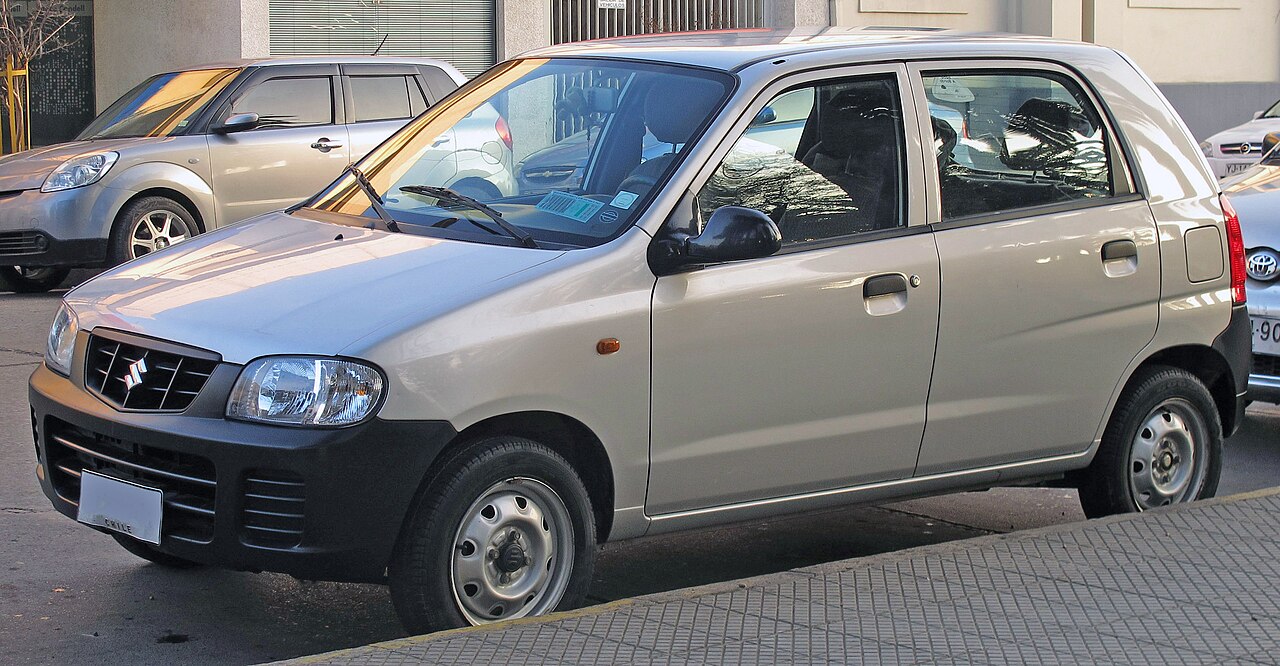
- Maruti Suzuki Alto: The price has increased from $10,000 to $10,500, marking a 5% hike.
- Maruti Suzuki Swift: Previously priced at $15,000, the new cost stands at $15,750, an increase of 5% as well.
- Maruti Suzuki Dzire: The price has risen from $12,000 to $12,600, reflecting a 5% hike.
- Maruti Suzuki Vitara Brezza: Rising from $18,000 to $19,000, this model has seen a 5.56% increase.
These adjustments highlight the ongoing trend of rising costs in the automotive market, driven by various economic factors.
Future Trends in Car Pricing
The automotive industry is witnessing a significant shift in pricing strategies, particularly highlighted by the recent Maruti Suzuki price hike. As consumers adjust to increasing costs, several trends are emerging that could shape the future of car pricing.
One notable trend is the rise of electric and hybrid vehicles, which are expected to influence traditional pricing structures. With governments pushing for greener alternatives, manufacturers may face pressure to balance production costs while remaining competitive.
Additionally, inflation and supply chain disruptions continue to impact manufacturing expenses. This means that price hikes may become more common across various brands, not just Maruti Suzuki. Consumers should brace for these adjustments as automakers react to economic pressures.
Another trend is the increased adoption of digital sales platforms, which could lead to more transparent pricing. As buyers become more informed, car manufacturers may need to justify price increases with added value, such as enhanced features or improved customer service.
- Increased costs: Raw materials and logistics are becoming more expensive.
- Market competition: Brands are under pressure to offer value despite rising prices.
- Consumer expectations: Buyers are seeking more for their investment.
The recent Maruti Suzuki price hike has left many potential car buyers feeling frustrated and disheartened. With the Maruti Suzuki price hike, affordability is becoming a significant concern for those looking to purchase a new vehicle.
via Wikimedia Commons