
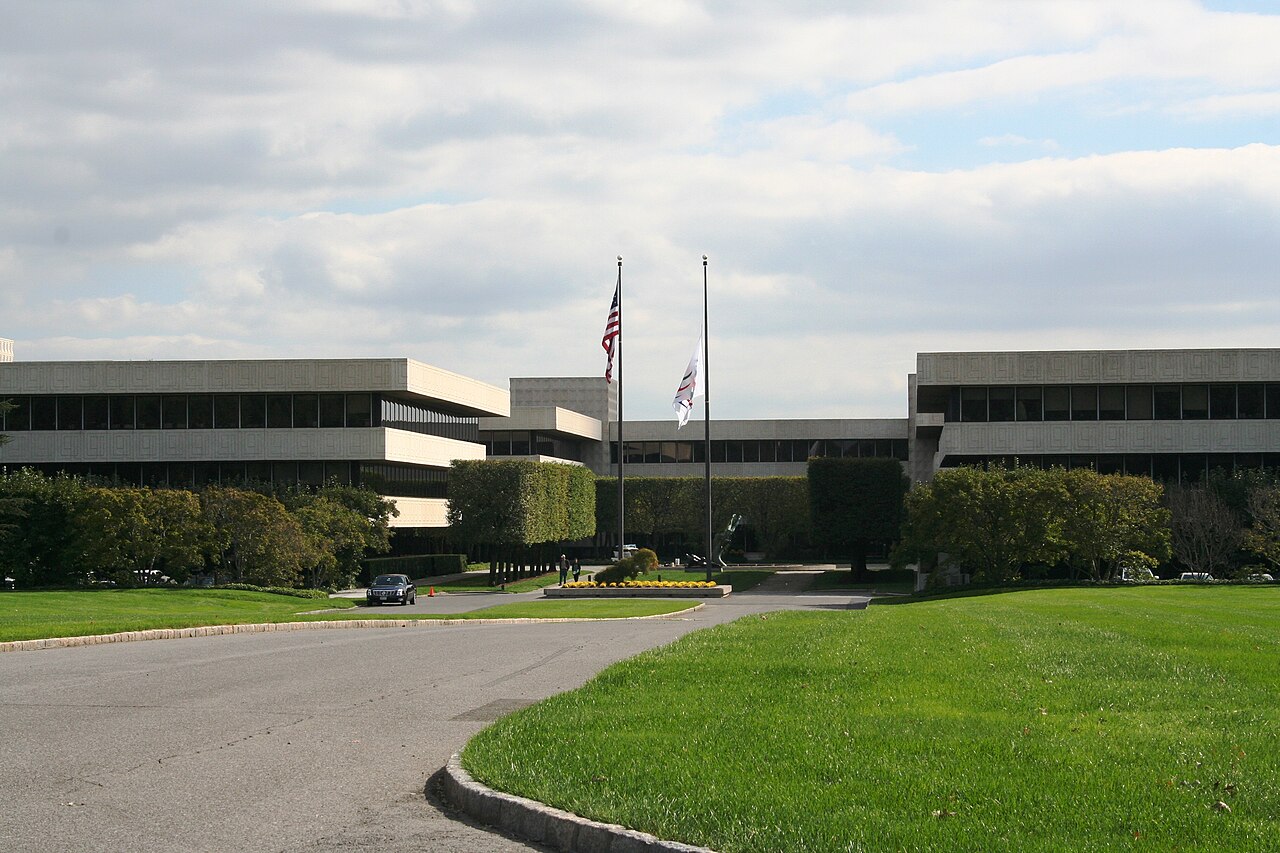
PepsiCo price increase is on the horizon as the company attempts to boost sales after previous cuts failed to deliver results.
Understanding PepsiCo’s price strategy
PepsiCo’s decision to implement a price increase comes as a response to its recent struggles in boosting sales despite previous cost-cutting measures. The company has faced challenges in maintaining profit margins in a competitive beverage market. As consumers feel the pinch of rising prices, understanding the rationale behind PepsiCo’s price strategy is crucial.
Key factors influencing this decision include:
- Cost of raw materials: Increasing costs for ingredients and packaging have pressured profit margins.
- Market competition: Rival brands are also adjusting their prices, prompting PepsiCo to follow suit.
- Consumer behavior: Shifts in consumer preferences towards healthier options may lead to additional pricing strategies.
While the PepsiCo price increase aims to stabilize revenue, it raises concerns about the long-term impact on consumer loyalty and purchasing habits.
What led to the price increase?
Several factors contributed to the recent PepsiCo price increase, impacting both consumers and retailers alike. The company faced significant pressures in various areas, leading to the need for adjustments in pricing strategies.
- Rising Raw Material Costs: Increases in the prices of key ingredients have strained PepsiCo’s profit margins.
- Supply Chain Disruptions: Ongoing global supply chain challenges have led to delays and increased costs for transportation and logistics.
- Inflation: The broader economic landscape, characterized by high inflation rates, has forced companies to reconsider their pricing structures.
- Competitor Actions: Other major brands have also raised prices, prompting PepsiCo to follow suit to maintain profitability.
These factors collectively highlight the challenges faced by PepsiCo, ultimately leading to a decision that reflects the need to sustain business operations amid fluctuating economic conditions.
Consumer reactions to PepsiCo’s decision
Consumer reactions to PepsiCo’s decision to implement a price increase have been varied and vocal. Many shoppers express frustration, feeling that the costs of everyday items are rising too quickly. The ongoing trend of price hikes has led to a sense of disillusionment among loyal customers.
Some consumers are adapting by:
- Seeking alternative brands that offer similar products at lower prices.
- Reducing their overall purchases of snacks and drinks.
- Keeping a closer eye on promotional offers to maximize savings.
Others, however, remain loyal to PepsiCo, arguing that the quality and taste of their favorite beverages justify the increased prices. As the company navigates these challenges, the real impact of the PepsiCo price increase on consumer behavior continues to unfold.
Overall, the decision has sparked discussions about brand loyalty and value in a time of rising costs.
Comparing PepsiCo with competitors
As PepsiCo implements its latest price increase, it is essential to consider how this move affects its position within the competitive landscape. Major rivals such as Coca-Cola and Dr Pepper Snapple Group have also faced similar challenges, yet their strategies differ.
Key differences include:
- Pricing Strategy: While PepsiCo opts for direct price hikes, competitors may focus on promotions or product bundling to maintain sales.
- Product Diversification: Coca-Cola has expanded into healthier options, potentially offsetting price impacts with consumer demand for premium products.
- Market Response: Some consumers may shift to alternatives from competitors that have not raised prices as aggressively.
The PepsiCo price increase could have lasting implications, especially if competitors successfully attract price-sensitive customers seeking value amidst rising costs.
Future outlook for PepsiCo sales
As PepsiCo implements its recent price increase, analysts are closely watching how these changes will affect consumer behavior and overall sales in the coming months. The company aims to balance the need for profitability with maintaining customer loyalty amidst rising costs.
Several factors will influence PepsiCo’s sales outlook, including:
- Consumer adaptation: Will shoppers accept higher prices, or will they turn to competitors?
- Market trends: How will shifting preferences impact demand for PepsiCo products?
- Promotional strategies: Will increased marketing efforts offset possible declines in volume sales?
Additionally, industry experts predict that the success of PepsiCo’s price increase could set a precedent for other companies in the market, further affecting consumer choices. As the situation evolves, the long-term impact on PepsiCo’s sales remains to be seen.
Expert opinions on pricing strategies
Experts in the food and beverage industry have weighed in on the recent PepsiCo price increase, highlighting both the necessity and potential fallout of this decision. Dr. Emily Carter, an economist specializing in consumer goods, noted that while price hikes can help maintain profit margins, they may alienate budget-conscious consumers. “PepsiCo’s pricing strategies must be carefully balanced to avoid losing market share,” she explained.
Additionally, Mark Jensen, a market analyst, emphasized the importance of transparency in communication with consumers. “When companies increase prices, they need to articulate the reasons clearly. Consumers are more understanding when they know the rationale behind the PepsiCo price increase,” he stated.
Furthermore, Lisa Chen, a consumer behavior expert, pointed out that brand loyalty could be tested. “PepsiCo’s ability to retain customers in the face of rising prices will be a crucial factor in their long-term success,” she added.
The PepsiCo price increase has left many consumers reevaluating their budgets as they adjust to higher costs for their favorite snacks and beverages. As the PepsiCo price increase takes effect, shoppers may need to seek alternatives or reduce their overall consumption to cope with the rising prices.
via Wikimedia Commons