
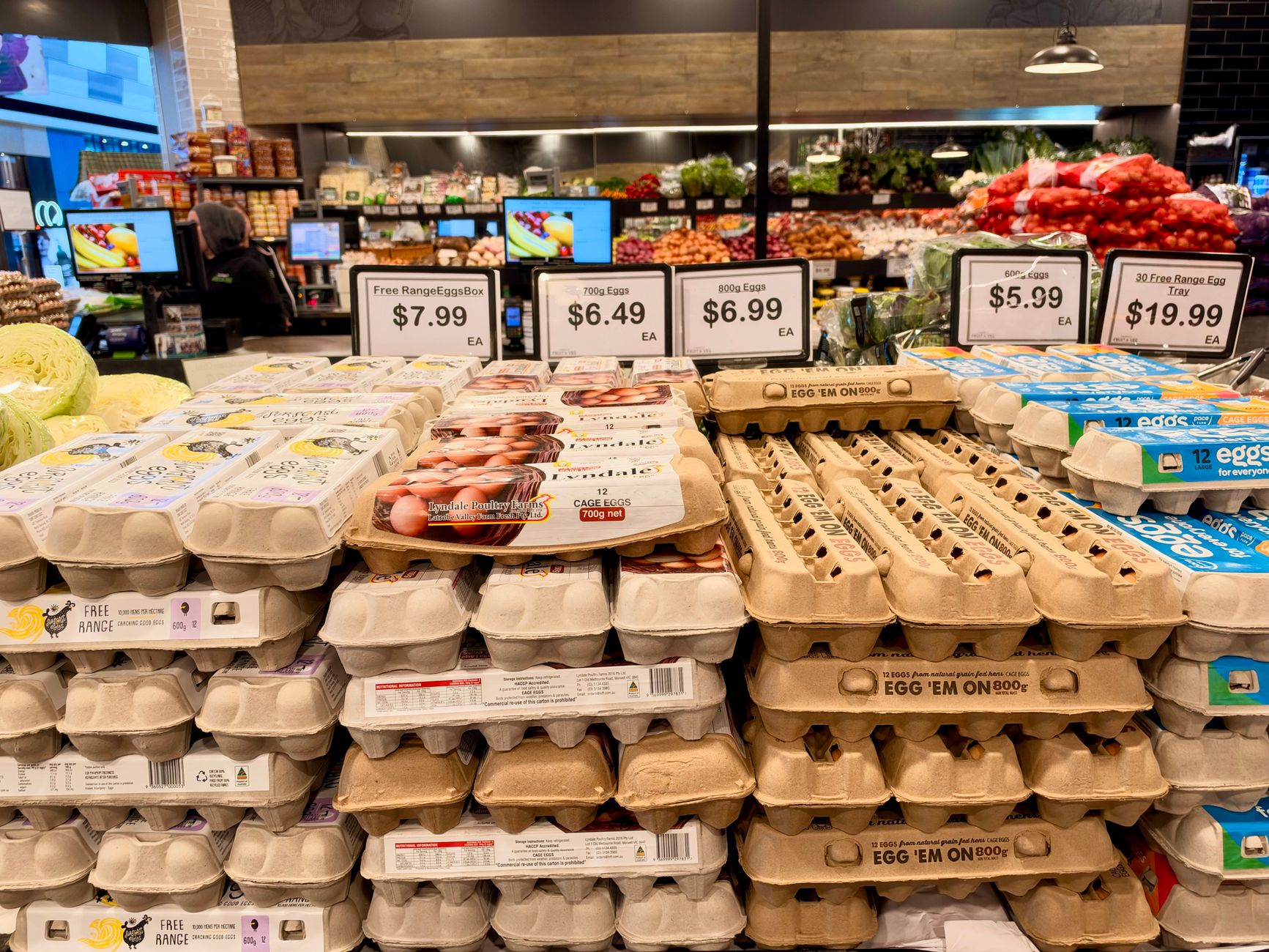
Producer prices jump in September, marking the biggest increase in four years. This surge of 1.3% raises questions about inflation and its effects on consumers and businesses.
Understanding the Producer Price Index
The Producer Price Index (PPI) is a vital economic indicator that measures the average changes in prices received by domestic producers for their output. This index provides insight into price trends before they reach consumers and can signal inflationary pressures within the economy.
In September, reports highlighted that producer prices jumped significantly, with a notable increase of 1.3%, marking the largest rise in four years. Such fluctuations in the PPI can have a cascading effect on the overall economy. Some key points to consider include:
- Cost of Goods: A jump in producer prices often leads to increased costs for manufacturers, which may be passed on to consumers.
- Inflation Indicators: Rising producer prices can signal potential inflation, prompting policymakers to consider adjustments in interest rates.
- Sector Impact: Different industries may experience varying effects, with essential goods potentially facing the most significant price hikes.
Understanding the implications of these changes is crucial for businesses and consumers alike, as producer prices jump can influence purchasing power and economic stability in the coming months.
What Caused the Recent Price Surge?
The recent surge in producer prices can be attributed to several key factors that have put upward pressure on costs across various sectors. First and foremost, labor shortages have significantly impacted production capabilities, leading to increased wages that are often passed on to consumers. Additionally, raw material costs have risen sharply due to ongoing supply chain disruptions, particularly in industries such as construction and manufacturing.
Another contributing factor is the global demand recovery post-pandemic. As economies reopen, businesses are ramping up their production to meet the growing consumer appetite, resulting in higher prices. Furthermore, energy costs have surged, driven by geopolitical tensions and shifts in energy supply. This increase is particularly evident in the prices of gas and electricity, which affect a wide range of industries.
Overall, these elements combined have led to a scenario where producer prices jump, challenging businesses to manage their expenses while remaining competitive in the marketplace. Monitoring these trends will be critical for understanding the broader economic implications moving forward.
Impact on Consumers and Businesses
The recent surge in producer prices has significant implications for both consumers and businesses. As producer prices jump, many industries may face increased costs, which can eventually trickle down to consumers in the form of higher retail prices.
For consumers, this means that everyday goods and services may become more expensive. Essentials such as food, clothing, and fuel could see noticeable price hikes, impacting household budgets and purchasing power. According to analysts, this escalation in costs could lead to inflationary pressures that affect overall economic stability.
Businesses are also feeling the strain. Manufacturers and suppliers may need to adjust their pricing strategies to maintain profit margins, which could lead to reduced investment or even layoffs in some sectors. Additionally, smaller businesses may struggle to absorb these increased costs, potentially resulting in higher prices for consumers or a reduction in service quality.
In conclusion, the recent jump in producer prices highlights the interconnectedness of the economy, where shifts in production costs can have far-reaching effects on both consumers and businesses alike.
Historical Context of Producer Prices
The recent surge in producer prices has drawn attention to the historical context of price fluctuations in the economy. Over the past few decades, producer prices have experienced significant volatility due to various factors, including shifts in supply and demand, changes in monetary policy, and external economic shocks.
For instance, during the early 1980s, producer prices surged dramatically due to high inflation and energy crises. This period highlighted how sensitive the economy can be to external pressures, leading to a broader impact on both consumers and businesses. In contrast, the late 1990s and early 2000s saw relatively stable producer prices, reflecting a balanced economic environment.
More recently, the COVID-19 pandemic disrupted supply chains, causing fluctuations that have now culminated in the current situation where producer prices jump significantly. Such movements can influence inflationary trends and impact monetary policy decisions, thereby affecting overall economic growth.
As we analyze the recent data showing a 1.3% increase in September, it becomes essential to consider how this historical context shapes our understanding of current and future economic scenarios.
Future Predictions for Inflation
As the recent reports indicate a significant rise in producer prices, many economists are now contemplating the potential long-term effects on inflation. The latest data reveals that producer prices jumped by 1.3% in September, marking the largest increase in four years. This surge raises concerns about whether such trends will be sustained or if they are merely a temporary spike.
Several factors could influence future inflation rates, including:
- Supply Chain Disruptions: Continued issues in global supply chains may exacerbate price pressures, leading to higher costs for consumers.
- Labor Costs: If wages continue to rise, businesses may pass these costs onto consumers, further fueling inflation.
- Government Policies: Fiscal and monetary policies aimed at stimulating the economy could also contribute to higher inflation rates.
Moreover, the relationship between producer prices and consumer prices is crucial. A sustained increase in producer prices could trickle down, impacting consumer spending and overall economic growth. Analysts will be closely monitoring these trends to gauge their impact on the economy in the coming months.
Sector-Specific Effects of Price Increases
The recent surge in producer prices has had varied effects across different sectors of the economy. As the Producer Prices jump significantly, certain industries are feeling the heat more than others.
- Manufacturing: The manufacturing sector is experiencing heightened costs for raw materials, particularly metals and chemicals. This increase could lead to higher prices for finished goods, impacting consumer spending.
- Food Production: Food producers are grappling with rising costs in logistics and supply chain disruptions. These challenges may translate into increased prices at grocery stores, affecting household budgets.
- Construction: The construction industry is facing soaring prices for lumber and other essential materials. This rise could delay projects and push housing prices higher, exacerbating the existing housing crisis.
- Energy: Energy producers are also affected, with rising crude oil prices leading to increased costs in energy bills for consumers and businesses alike. This situation could further strain household finances.
Overall, the jump in producer prices is creating ripples throughout various sectors, raising concerns about the broader economic impact and the potential for sustained inflation.
Expert Opinions on Economic Trends
Economic experts are closely analyzing the recent surge in producer prices, which have jumped significantly, marking the largest increase in four years. They emphasize that this trend could have far-reaching implications for various sectors of the economy.
Dr. Emily Johnson, an economist at the National Economic Institute, notes that the jump in producer prices could lead to a ripple effect throughout the supply chain. “As producers face higher costs, these expenses are often passed on to consumers, potentially leading to increased inflation,” she explains.
Mike Thompson, a financial analyst, believes that the current economic climate may exacerbate these effects. “We’re seeing a combination of supply chain disruptions and rising raw material costs. This jump in producer prices could signal ongoing challenges for businesses, particularly small enterprises that may struggle to absorb these costs,” he states.
Additionally, Dr. Sarah Lee, a policy advisor, warns that sustained increases in producer prices could hinder economic recovery efforts. “If inflation continues to rise unchecked, it may force the Federal Reserve to reconsider its monetary policy approach,” she adds.
As these expert opinions illustrate, the recent spike in producer prices is more than just a statistic; it represents a complex interplay of economic factors that could shape the future.
How to Prepare for Rising Costs
As producer prices jump, consumers and businesses alike must brace for potential impacts on their financial planning. It is essential to understand how to navigate these changes effectively.
Here are some strategies to prepare for rising costs:
- Budget Review: Reassess your budget to account for increased expenses. Identify areas where you can cut back to offset rising prices.
- Bulk Purchasing: Consider buying essential goods in bulk. This can help lock in lower prices before further increases occur.
- Supplier Negotiations: For businesses, renegotiate contracts with suppliers to secure more favorable terms amidst the climbing producer prices.
- Pass on Costs: Evaluate the possibility of passing some of the increased costs to consumers without losing competitiveness.
- Focus on Efficiency: Invest in improving operational efficiency to mitigate the impact of rising costs on your bottom line.
By taking proactive steps, both consumers and businesses can better manage the effects of rising producer prices and safeguard their financial health in an uncertain economic landscape.
The recent surge in producer prices jump has raised concerns among economists about potential inflationary pressures. As businesses face higher costs, it remains to be seen how these producer prices jump will influence consumer spending and overall economic growth.
Photo by Joolsmagools ®️ on Pexels
Sources
Mahindra CNG SUV: Best Mileage and Torque for ₹9.99 Lakh · Tesla Roadster That Flies: The Best Proven Innovation Yet · Is the Mahindra XUV 3XO ZNG the Best Affordable SUV?