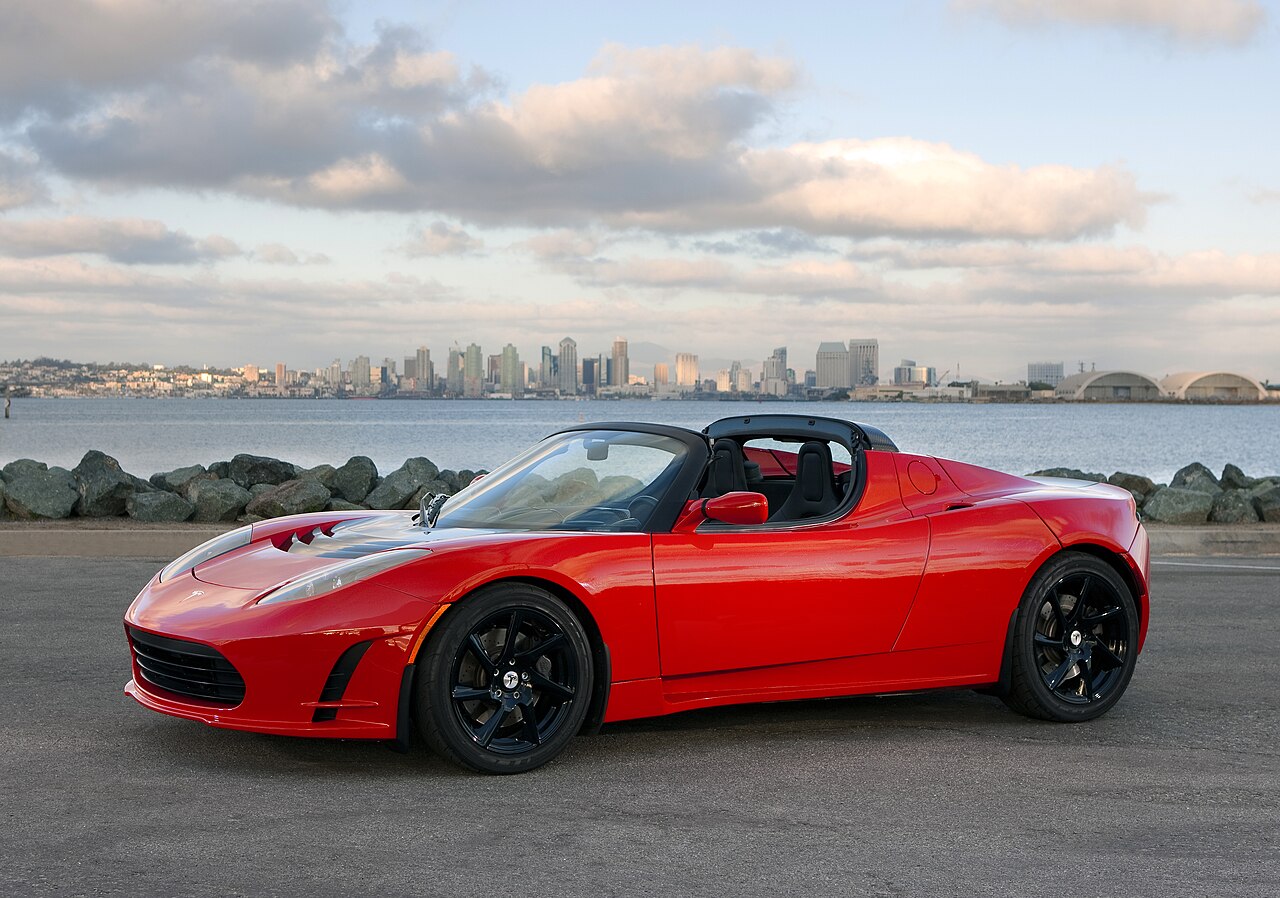

The 100% ethanol car is set to launch in October, amid ongoing debates about E20 petrol. This new vehicle promises to revolutionize eco-friendly driving options.
What is a 100% Ethanol Car?
A 100% ethanol car is a vehicle that operates exclusively on ethanol fuel, which is derived from plant materials such as corn, sugarcane, and other biomass. Unlike traditional gasoline-powered cars that rely on fossil fuels, these vehicles utilize renewable resources, making them an environmentally friendly alternative. Ethanol, a type of alcohol, can reduce greenhouse gas emissions and reliance on oil, addressing pressing environmental concerns.
The concept of a 100% ethanol car is gaining traction as governments and organizations push for sustainable transportation solutions. In India, for instance, Union Minister Nitin Gadkari announced plans to launch a 100% ethanol car in October, amid ongoing discussions about E20 petrol, which contains 20% ethanol. This development signifies a shift towards adopting alternative fuels in the automotive sector.
There are several advantages to using a 100% ethanol car:
- Environmental Benefits: Ethanol burns cleaner than gasoline, producing fewer harmful emissions.
- Renewable Resource: Ethanol is produced from crops, making it a renewable energy source.
- Energy Independence: Utilizing ethanol can reduce dependence on imported oil.
However, there are also challenges that need consideration, such as vehicle compatibility and the availability of refueling infrastructure. As the automotive landscape evolves, the 100% ethanol car may represent a significant step towards sustainable transportation.
Benefits of Using Ethanol Cars
The growing interest in renewable energy sources has led to an increased focus on the benefits of using ethanol cars, particularly the 100% ethanol car. These vehicles present several advantages that make them an appealing choice for environmentally conscious consumers and those looking to save on fuel costs.
- Lower Emissions: Ethanol burns cleaner than traditional gasoline, resulting in reduced greenhouse gas emissions. This can significantly contribute to improved air quality and a decrease in overall pollution levels.
- Renewable Resource: Ethanol is derived from plants, such as corn and sugarcane, making it a renewable fuel source. This contrasts with fossil fuels, which are finite and contribute to environmental degradation.
- Economic Benefits: Utilizing a 100% ethanol car can help stimulate local agricultural economies. As demand for ethanol increases, farmers can benefit from higher crop prices and increased sales, fostering community growth.
- Performance: Ethanol has a higher octane rating than gasoline, which can lead to improved engine performance and efficiency. Many drivers report enhanced acceleration and responsiveness when using ethanol-blended fuels.
- Energy Independence: Shifting to ethanol fuels can help reduce reliance on imported oil, contributing to national energy security and promoting self-sufficiency.
As more consumers consider the environmental impact and economic potential of their fuel choices, the 100% ethanol car stands out as a viable option.
Gadkari’s Announcement Explained
In a recent announcement, India’s Union Minister for Road Transport and Highways, Nitin Gadkari, revealed that a new 100% ethanol car will be launched in October. This significant development comes amid discussions surrounding E20 petrol, which contains 20% ethanol. Gadkari emphasized the potential of ethanol as a sustainable fuel alternative, stating that it could reduce dependency on fossil fuels and contribute to a cleaner environment.
The minister highlighted that the 100% ethanol car is designed to cater to the growing demand for eco-friendly vehicles. With increasing awareness of climate change and the need for greener transportation solutions, the introduction of such a vehicle could be a game-changer in the automotive industry. Gadkari also mentioned that the use of ethanol might help farmers by providing them with an additional source of income, as ethanol can be produced from agricultural waste and crops like sugarcane and corn.
Moreover, the launch aligns with India’s commitment to achieving a significant reduction in carbon emissions. The government aims to promote alternative fuel technologies, and the 100% ethanol car is a step towards a more sustainable future. The initiative is expected to attract both manufacturers and consumers keen on transitioning to cleaner energy sources. As the launch date approaches, many are eager to see how this innovation will impact the market and the broader goal of environmental sustainability.
E20 Petrol: What You Need to Know
The increasing availability of E20 petrol, which contains 20% ethanol and 80% gasoline, has sparked discussions about the viability of transitioning to a 100% ethanol car. Understanding E20 is crucial for consumers considering their fuel options.
E20 petrol is designed to reduce greenhouse gas emissions and reliance on fossil fuels. Here are some key points to consider:
- Compatibility: Most modern vehicles are compatible with E20, but older models may require modifications. It’s essential to check your vehicle’s specifications to ensure compatibility.
- Performance: E20 can enhance engine performance and fuel efficiency in some cases. However, this may vary based on the engine type and driving conditions.
- Cost: E20 is often cheaper than traditional petrol due to government subsidies for ethanol production, making it an economically attractive option.
- Environmental Impact: Using E20 helps in reducing the carbon footprint, but it still relies partially on fossil fuels. A 100% ethanol car represents a more sustainable choice.
- Availability: As E20 becomes more widely available, consumers may find it easier to access. However, it is still essential to consider the infrastructure for a 100% ethanol car.
In conclusion, while E20 petrol offers a transitional option, those who prioritize sustainability might find a 100% ethanol car to be the better choice for their future driving needs.
The Future of Ethanol in India
The future of ethanol as a viable fuel option in India looks promising, particularly with the upcoming launch of the 100% ethanol car. As the Indian government pushes for a more sustainable and eco-friendly transportation system, the emphasis on renewable energy sources is becoming increasingly significant. This transition is not only aimed at reducing dependency on fossil fuels but also at addressing the alarming levels of air pollution in urban areas.
Several initiatives are being undertaken to promote the use of ethanol in the automotive industry. The government’s plan includes:
- Increased Ethanol Production: India aims to boost domestic ethanol production to meet the growing demand for biofuels.
- Infrastructure Development: Investments in infrastructure are being made to support the distribution and availability of ethanol-blended fuels.
- Public Awareness Campaigns: Campaigns are being launched to educate consumers about the benefits of using ethanol cars and how they can contribute to a cleaner environment.
Moreover, the recent announcement by Union Minister Nitin Gadkari about the impending release of the 100% ethanol car has generated significant excitement among consumers and the automotive industry alike. As manufacturers prepare for this shift, it is essential to consider the long-term implications and viability of ethanol as a primary fuel source. With ongoing advancements, the future of ethanol in India could potentially redefine the transportation landscape.
Comparing Ethanol and Traditional Fuels
When considering the choice between a 100% ethanol car and traditional fossil fuels, several factors come into play. Ethanol, a renewable energy source derived from plants, offers distinct advantages and challenges compared to conventional gasoline and diesel.
One of the primary benefits of ethanol is its environmental impact. Vehicles powered by ethanol produce fewer greenhouse gas emissions, which can help in reducing air pollution and combating climate change. In contrast, traditional fuels contribute significantly to carbon footprints due to their fossil origins.
However, there are also drawbacks to using ethanol. The energy content of ethanol is lower than that of gasoline, which means that a 100% ethanol car may require more frequent refueling or offer lower overall mileage. This can be a concern for drivers who prioritize convenience and range.
In terms of cost, ethanol can vary in price depending on local availability and agricultural conditions. While it may be cheaper in some regions, fluctuations in crop yields may affect its affordability compared to traditional fuels.
- Pros of Ethanol:
- Renewable energy source
- Lower emissions
- Cons of Ethanol:
- Lower energy density
- Potentially higher refueling frequency
Ultimately, the decision between a 100% ethanol car and traditional fuels depends on personal priorities, including environmental concerns, cost considerations, and driving habits.
Consumer Reactions to Ethanol Cars
Consumer reactions to the introduction of the 100% ethanol car have been mixed, reflecting a range of opinions on its viability and sustainability. Many potential buyers are excited about the prospect of a vehicle that can operate solely on renewable fuel, as it aligns with growing environmental concerns and the push for greener alternatives.
Supporters of ethanol cars argue that:
- Environmental Benefits: The use of 100% ethanol significantly reduces greenhouse gas emissions compared to traditional gasoline vehicles. This is a strong selling point for environmentally conscious consumers.
- Energy Independence: Ethanol is produced domestically, which could reduce reliance on imported oil and bolster local economies.
- Performance and Cost: Many users report that ethanol cars offer competitive performance, and with the potential for lower fuel costs, they could save money in the long run.
However, there are also concerns regarding the 100% ethanol car:
- Infrastructure Challenges: Critics point out that refueling stations for ethanol are not as widespread as those for traditional fuels, which could hinder convenience.
- Vehicle Compatibility: Not all vehicles are designed to run on 100% ethanol, raising questions about compatibility and the need for new models.
- Fuel Production: Some consumers worry about the environmental impact of producing ethanol from crops, which could compete with food supply.
Overall, the reception to ethanol cars reflects a balance between enthusiasm for innovation and caution regarding practicality.
Photo by Mihis Alex on Pexels
Where this came from
Related reading
Renault Triber Turbo Petrol: Quick Specs and Launch Details · EV investments 2026: What are the best opportunities? · Mahindra Thar OG features: What makes it the best choice?