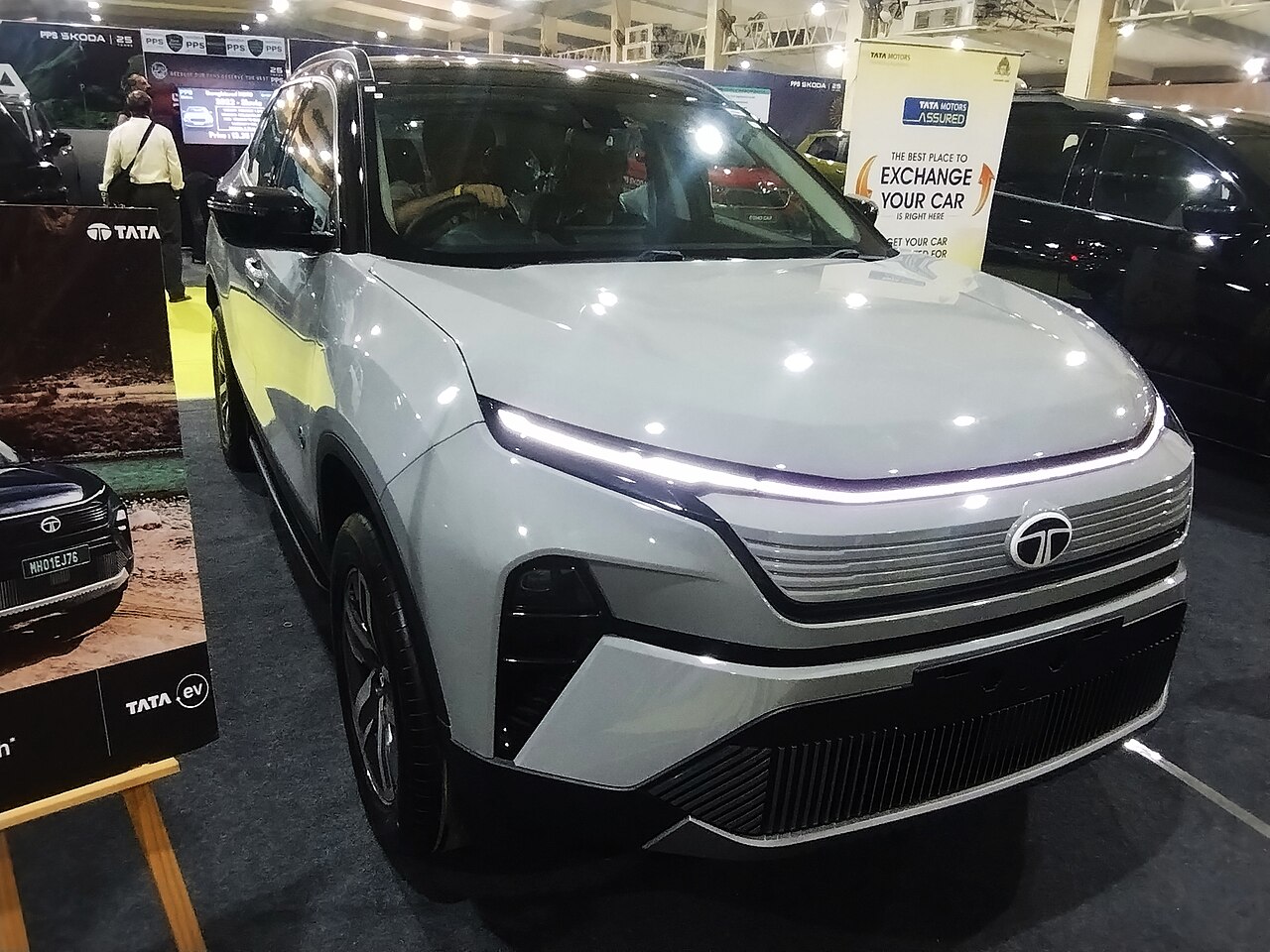
Tata Harrier EV price hike has been announced, revealing significant changes in pricing and BAAS costs. This update is crucial for prospective buyers.
Overview of Tata Harrier EV
The Tata Harrier EV has been making waves in the electric vehicle market, attracting attention for its impressive features and performance. With the recent announcement regarding the Tata Harrier EV price hike, potential buyers are eager to understand the new costs associated with this popular model.
The Harrier EV combines cutting-edge technology with a sleek design, promising a comfortable and efficient driving experience. Key features include:
- Powerful Electric Motor: The vehicle is equipped with a robust electric motor that delivers a smooth and powerful ride.
- Advanced Safety Features: With multiple airbags, ABS, and electronic stability control, safety is a top priority.
- Impressive Range: The Harrier EV offers a competitive range on a single charge, making it ideal for both city and long-distance driving.
As the market for electric vehicles continues to grow, the Tata Harrier EV remains a strong contender, despite the recent price adjustments. Buyers looking for an eco-friendly and stylish option may still find great value in this model.
Impact of Price Hike on Sales
The recent Tata Harrier EV price hike has raised concerns among potential buyers and industry analysts alike. As the electric vehicle market continues to evolve, this increase in cost may impact the sales trajectory of the Harrier EV.
Historically, Tata Motors has positioned the Harrier EV as a competitive offering in the electric SUV segment. However, with the new pricing structure, several factors may influence consumer decisions:
- Budget Constraints: Many buyers are sensitive to price changes, and the hike may push some customers towards more affordable alternatives.
- Market Competition: Competing brands may capitalize on this opportunity, enticing customers with lower-priced options or enhanced features.
- Consumer Expectations: The perception of value will play a crucial role; buyers may expect additional features or improvements to justify the increased costs.
As the market reacts to these changes, it remains to be seen how the Tata Harrier EV will maintain its appeal amid rising prices.
Understanding BAAS Costs
The recent price hike of the Tata Harrier EV has raised questions about the overall ownership costs, particularly concerning the Battery as a Service (BAAS) model. Understanding the BAAS costs is crucial for potential buyers looking to navigate these changes effectively.
Battery as a Service (BAAS) offers customers the option to purchase the electric vehicle without the battery, significantly reducing the upfront cost. However, this model introduces a subscription fee for battery usage, which can vary based on several factors.
- Monthly Subscription: Customers will need to budget for a monthly fee that covers battery usage, which may impact overall savings.
- Charging Infrastructure: Additional investments in home charging solutions may also be necessary, depending on individual circumstances.
- Long-term Savings: While the initial cost is lower, the long-term financial implications of the Tata Harrier EV price hike and BAAS must be carefully evaluated.
In conclusion, while the BAAS model presents a flexible option, potential buyers must weigh the new costs against their driving needs and financial plans.
Comparing with Competitors
The recent Tata Harrier EV price hike has sparked interest in how it stacks up against competitors in the electric vehicle market. Several brands have entered the fray, offering a range of features and pricing structures that appeal to different segments of consumers.
- MG ZS EV: Known for its affordability, the MG ZS EV remains a popular choice with a starting price lower than the Harrier EV, making it an attractive option for budget-conscious buyers.
- Kia EV6: On the premium end, the Kia EV6 offers advanced technology and performance features but comes with a higher price tag, positioning it as a luxury alternative to the Tata Harrier EV.
- Hyundai Ioniq 5: This model has garnered attention for its spacious interior and innovative design, sitting comfortably in the mid-range market but again, at a higher price point than the Harrier EV.
As the Tata Harrier EV price hike takes effect, potential buyers are weighing these options carefully, considering both features and costs in their decision-making process.
Customer Reactions to Price Changes
As news of the Tata Harrier EV price hike spreads, customer reactions have been mixed. Many enthusiasts express disappointment, citing that the increased costs could deter potential buyers in a competitive electric vehicle market. Some current owners, however, remain optimistic, believing that the value offered by the Harrier EV justifies the new pricing structure.
Feedback gathered from social media platforms highlights a few key sentiments:
- Value for Money: A number of customers feel that despite the price hike, the features and performance of the Tata Harrier EV remain compelling.
- Comparisons with Rivals: Several potential buyers are weighing their options against competitors like the MG ZS EV and Hyundai Kona Electric, which may influence their purchasing decisions.
- Concerns over Affordability: Some consumers worry that the price increase could make the Harrier EV less accessible, particularly for first-time electric vehicle buyers.
Overall, the Tata Harrier EV price hike has sparked a significant conversation among electric vehicle enthusiasts and potential buyers alike.
Future Trends in EV Pricing
The recent price hike of the Tata Harrier EV has sparked discussions about future trends in electric vehicle pricing. As the market adjusts to new costs, several factors will play a crucial role in shaping these trends.
Firstly, the increasing demand for EVs is expected to influence pricing strategies. Consumers are becoming more environmentally conscious, leading to a surge in electric vehicle sales. Consequently, manufacturers may adjust their prices to reflect this growing interest.
Secondly, advancements in battery technology and production efficiencies could lead to lower costs in the long term. As companies like Tata Motors invest in research and development, the potential for reduced manufacturing expenses may help stabilize prices.
Additionally, government incentives and subsidies can significantly impact pricing structures. As policies evolve to support electric vehicles, the financial landscape for consumers may change, influencing their purchasing decisions.
In summary, the Tata Harrier EV price hike is a reflection of broader market dynamics, and future pricing trends will likely be shaped by demand, technology advancements, and governmental support.
The recent Tata Harrier EV price hike has left many potential buyers re-evaluating their budget. With the new costs now revealed, the Tata Harrier EV price hike is expected to impact sales in the competitive electric vehicle market.
via Wikimedia Commons