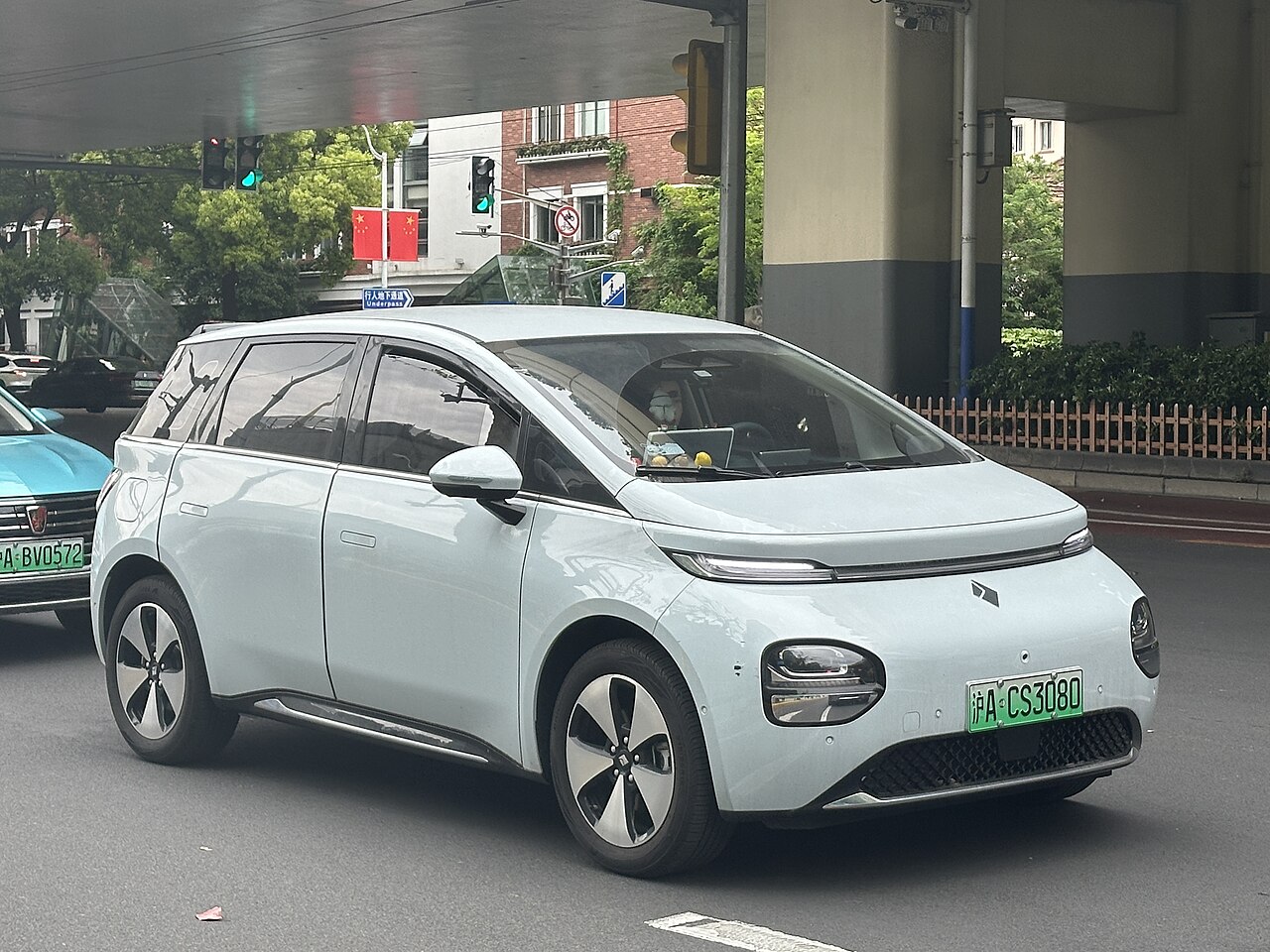
QR payments for EV charging are gaining traction as Paytm partners with ChargeZone to enable transactions at 15,000 charging points. This innovation promises to simplify the charging experience for electric vehicle users.
Introduction to QR Payments
As electric vehicles (EVs) continue to gain popularity, the need for efficient payment solutions at charging stations has become increasingly important. QR payments for EV charging represent a modern approach to streamline transactions, making it easier for drivers to charge their vehicles without the hassle of traditional payment methods.
Recently, Paytm partnered with ChargeZone to enable QR payments at 15,000 EV charging points across the country. This collaboration aims to enhance the user experience by allowing EV owners to make payments quickly and securely using their smartphones. By simply scanning a QR code displayed at the charging station, users can complete their transactions in seconds.
The introduction of QR payments not only simplifies the payment process but also promotes a contactless experience, which has become essential in today’s health-conscious environment. As more charging stations adopt this technology, it raises the question of whether QR payments for EV charging are indeed the best solution for the evolving needs of electric vehicle users.
- Convenience of mobile transactions
- Reduction in wait times
- Enhanced security features
The Rise of EV Charging Stations
The demand for electric vehicles (EVs) is surging, leading to a rapid increase in the number of EV charging stations across the globe. As more drivers make the switch to electric, the infrastructure supporting this transition is evolving to meet their needs.
Recent partnerships, such as the one between Paytm and ChargeZone, highlight this trend. The collaboration aims to enable QR payments for EV charging at an impressive 15,000 charging points, making transactions simpler and more efficient for users.
Consumers are increasingly looking for convenience in their charging experience, and innovative payment solutions are stepping up to provide just that. The adoption of QR codes allows for:
- Speed: Transactions can be completed in seconds, minimizing downtime.
- Accessibility: Users can easily pay using their smartphones without needing additional cards or devices.
- Security: QR payments offer enhanced security features, protecting user information.
As the EV market continues to grow, the integration of technologies like QR payments is likely to play a pivotal role in shaping the future of EV charging infrastructure.
Benefits of QR Payments for EV Users
As electric vehicle (EV) adoption continues to rise, the need for efficient and convenient payment options at charging stations becomes increasingly important. One significant advancement is the integration of QR payments for EV charging, which offers several benefits for users.
- Convenience: QR payments streamline the payment process, allowing EV users to complete transactions quickly using their smartphones. This eliminates the need for physical cards or cash.
- Speed: The scanning process is typically faster than traditional payment methods, minimizing wait times at charging stations and enhancing the overall user experience.
- Accessibility: QR codes can be easily generated and accessed, making it simple for users to initiate payments without requiring specialized knowledge or equipment.
- Contactless Transactions: In a world increasingly focused on health and safety, QR payments facilitate a contactless approach, reducing physical interaction between users and charging station equipment.
- Real-time Transactions: Users can receive instant notifications about their payment status, improving transparency and trust in the payment process.
Overall, the implementation of QR payments for EV charging presents a forward-thinking solution that enhances the convenience and efficiency of the EV charging experience.
How Paytm and ChargeZone Collaborate
In a significant move to enhance the user experience for electric vehicle (EV) owners, Paytm has partnered with ChargeZone to implement QR payments for EV charging at over 15,000 charging points across the country. This collaboration aims to simplify the payment process, making it more accessible and convenient for users.
The integration of QR payments for EV charging is expected to bring numerous advantages:
- Seamless Transactions: Users can complete their payments quickly by scanning a QR code with their smartphones, eliminating the need for cash or credit cards.
- Real-Time Updates: The system will provide real-time information about charging availability, allowing users to plan their charging sessions more effectively.
- Enhanced Security: QR payments reduce the risk of fraud, as transactions are processed through secure digital platforms.
This collaboration between Paytm and ChargeZone is seen as a pivotal step towards modernizing the EV charging infrastructure, making it more user-friendly and efficient. As QR payments for EV charging gain traction, they may become the standard method for transactions in the growing electric vehicle market.
Future of Payments in the EV Sector
The future of payments in the EV sector is rapidly evolving, with QR payments for EV charging emerging as a front-runner in modern transaction methods. As electric vehicles become more prevalent, the demand for efficient and user-friendly payment solutions is paramount. QR codes provide a seamless experience for drivers, allowing them to initiate payments quickly through their smartphones.
As the infrastructure for EV charging continues to expand, it is essential to adopt technologies that cater to the needs of users. The integration of QR payments offers numerous advantages, including:
- Speed: Users can complete transactions in seconds, minimizing downtime at charging stations.
- Accessibility: QR codes can be easily scanned, making them user-friendly for all demographics.
- Security: Transactions are encrypted, providing a safe method for users to pay for their charging sessions.
With partnerships like that of Paytm and ChargeZone leading the way, the implementation of QR payments for EV charging could very well set the standard for the industry’s future, driving innovation and enhancing user experience.
Challenges in Implementing QR Payments
Despite the advantages, implementing QR payments for EV charging presents several challenges that must be addressed to ensure a seamless user experience.
- Technology Adoption: Not all EV users are familiar with QR code technology, which can lead to hesitation or confusion when attempting to complete a transaction.
- Infrastructure Limitations: Many existing charging stations may lack the necessary hardware to support QR payment systems, requiring significant upgrades and investments.
- Network Connectivity: Dependence on reliable internet access can be problematic, especially in rural areas where connectivity is limited, potentially hindering the usability of QR payments.
- Security Concerns: Users may worry about the safety of QR transactions, fearing fraud or data breaches, which could deter them from embracing this payment method.
- Integration with Existing Systems: The need for QR payments to work seamlessly with current payment platforms and charging networks can complicate implementation.
Addressing these challenges will be crucial for the widespread adoption of QR payments in the EV charging sector, helping to enhance the overall experience for users.